

 Wound Care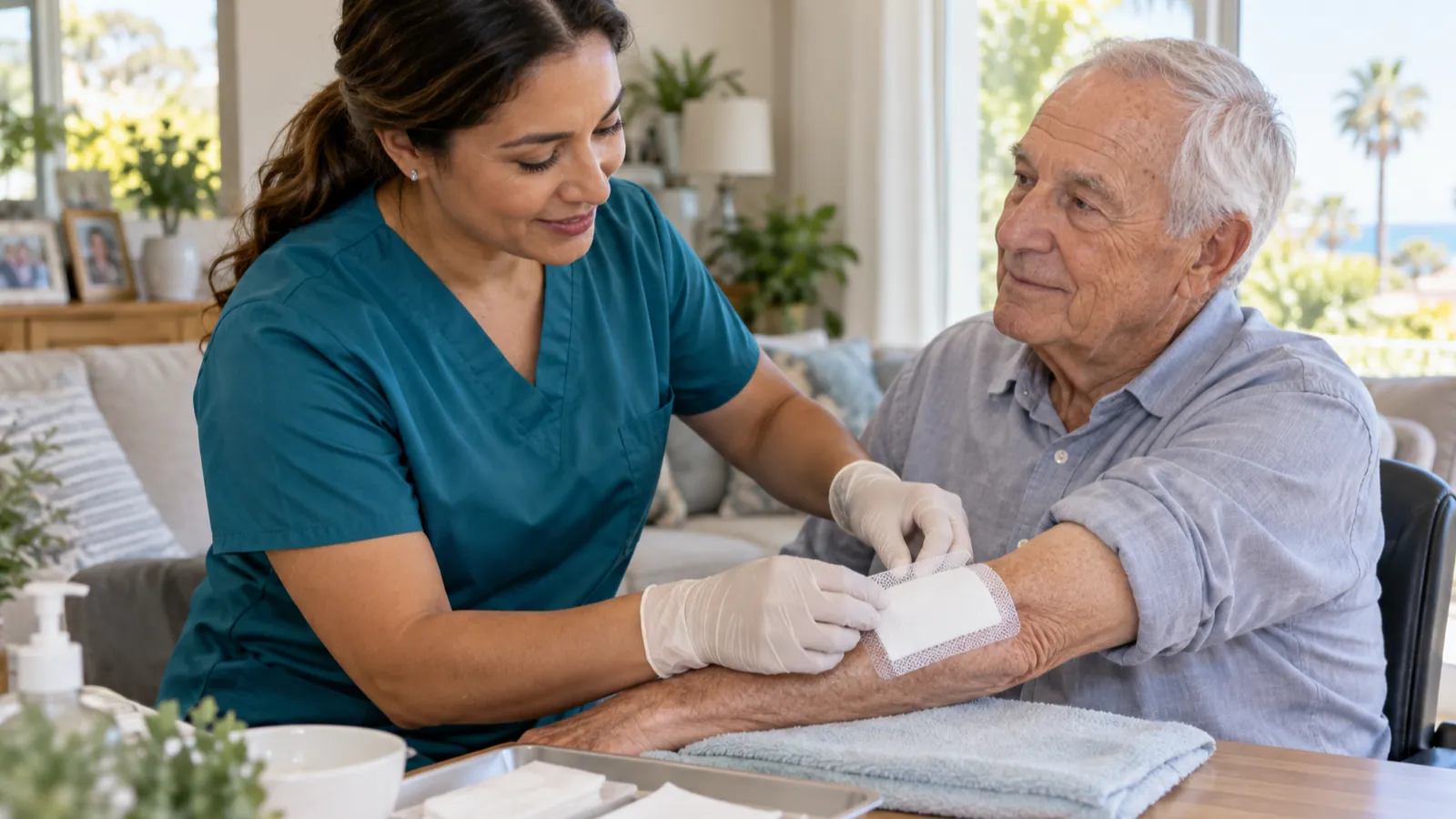

Skin tears in older adults can happen after a minor bump, friction from clothing or bedding, removal of adhesive tape, or assistance with a transfer. Because aging skin is thinner and more fragile, an injury that seems small may create a painful flap of skin and become difficult to heal. Caregivers should respond gently, control bleeding, protect the area, and arrange an appropriate clinical assessment.
This caregiver guide provides general safety information. It does not replace individualized instructions from a physician or nurse, and it should not be used to choose a dressing or reposition a skin flap without professional guidance.
What is a skin tear?
A skin tear is an acute wound caused by shear, friction, or blunt force that separates layers of skin. It may look like a cut, a peeled-back flap, or an irregular open area. Skin tears are not the same as pressure injuries, although a person can be at risk for both.
A clinical review indexed by the National Library of Medicine describes skin tears as common in older people and recommends assessment of general health, mobility, environmental trauma, and skin condition. A recognized classification system helps clinicians document the injury and select treatment.
Why older skin tears more easily
With age, skin may become thinner, drier, less elastic, and easier to bruise. The cushioning layer under the skin can diminish, and small blood vessels may be more vulnerable. Several additional factors can raise risk:
- A previous skin tear or frequent bruising
- Limited mobility, unsteady walking, or a history of falls
- Needing help with bathing, dressing, or transfers
- Cognitive or vision changes that make hazards harder to notice
- Poor nutrition or dehydration
- Swelling in the arms or legs
- Medicines that affect bleeding or skin strength
- Adhesives, medical devices, wheelchair parts, bed rails, or sharp furniture edges
Risk is individual. Do not stop a prescribed medicine because it appears on a risk list. Instead, tell the treating team about all medicines and supplements so they can plan safer care.
First steps when a skin tear happens
Stay calm and protect the person from another injury. Use the emergency plan provided by the patient’s clinician. General first steps include:
- Wash your hands. Use clean gloves if they are available and you have been instructed to use them.
- Control bleeding gently. Apply steady pressure with clean gauze or cloth. Do not repeatedly lift it to check.
- Do not scrub or pull the skin flap. Fragile tissue can be injured further. Do not cut away attached skin.
- Protect the area. Use the clean, non-adherent covering specified in the patient’s care plan, or seek prompt clinical instructions if there is no plan.
- Arrange assessment. Contact the physician, nurse, or appropriate urgent-care service, especially for a large tear, ongoing bleeding, contamination, severe pain, or an injury over a joint.
Call 911 for severe or uncontrolled bleeding, fainting, a major fall or head injury, exposed deeper structures, or other life-threatening symptoms. If the patient takes a blood thinner, follow the prescriber’s instructions for injuries and bleeding; do not change the medication on your own.
What not to put on a skin tear
Avoid peroxide, alcohol, iodine, household disinfectants, powders, herbal products, and antibiotic creams unless the treating clinician specifically orders them. These products may irritate tissue, interfere with a dressing, or cause a skin reaction. Do not use adhesive strips or strong tape over fragile skin without clinical direction.
If you need help with an ordered regimen, HarvardCare’s wound dressing change service can be reviewed for eligible patients who need skilled home health care.
What a nurse assesses
A nurse will assess the location, size, depth, bleeding, contamination, pain, viability of any skin flap, surrounding skin, and signs of infection. The clinician may also ask how the injury happened, when it occurred, whether the person fell, and whether a medical device or transfer caused it.
The assessment matters because treatment must fit the wound and the person. A clinician may need to cleanse the injury, gently manage the flap, select a non-traumatic dressing, review tetanus status, or refer the patient for medical evaluation. The care plan should also address the cause so the next tear is less likely.
Warning signs to report
Contact the treating team promptly if bleeding restarts; the wound becomes more painful, red, warm, swollen, or odorous; drainage increases or becomes thick; the surrounding skin darkens or breaks down; or the patient develops fever, chills, weakness, or confusion. Read HarvardCare’s guide to possible wound infection signs for additional context.
A skin tear that is not improving as expected should be reassessed. Chronic swelling, poor circulation, diabetes, limited mobility, or nutrition concerns may affect healing and require coordination with the physician.
How caregivers can help prevent skin tears
Prevention works best as a routine rather than a single product. A community-care implementation study indexed in PubMed found that home-environment assessment and caregiver education can support skin-tear prevention. Practical steps include:
- Keep walking routes bright and free of clutter, loose cords, and sharp edges.
- Pad or reposition equipment edges that repeatedly contact arms or legs.
- Use safe transfer techniques and the assistive devices recommended by therapy staff.
- Avoid grabbing a person by the forearm during transfers.
- Choose soft, long sleeves or protective garments when clinically appropriate.
- Keep fingernails smooth and remove jewelry that may catch the skin during care.
- Use gentle skin cleansers and a clinician-approved moisturizer on intact skin.
- Avoid hot water and vigorous rubbing when bathing or drying.
- Review adhesives, dressings, oxygen tubing, braces, and other devices with the care team.
Ask for hands-on teaching if transfers or personal care are difficult. Caregiver education at home can reinforce safer techniques under the patient’s plan of care, while occupational or physical therapy may address equipment, mobility, and fall risk when ordered.
Moisturizing fragile skin safely
Dry skin is more likely to crack and become injured. Regular moisturizing of intact skin is commonly included in prevention programs, but the product and timing should fit the patient. Do not place moisturizer inside an open wound or beneath an adhesive area unless directed. Avoid products that make the floor, footwear, or transfer surfaces slippery.
The International Skin Tear Advisory Panel’s best-practice overview emphasizes prevention and management tailored to aged skin. A nurse can help identify whether dryness, swelling, adhesive trauma, or another factor is driving repeat injuries.
Skin tears during bathing, dressing, and transfers
Many tears occur during ordinary care. Before moving the person, explain the step, position equipment, and avoid rushing. Use a draw sheet or approved transfer aid rather than dragging skin across linens. Pat skin dry instead of rubbing. When removing clothing, support the limb and avoid pulling fabric over a wound or dressing.
If a dressing or tape sticks, do not rip it away. Ask the nurse how to loosen and remove the specific product safely. The article how to change a wound dressing at home explains why the ordered technique and hand hygiene matter.
How home health wound care can support recovery
For an eligible homebound patient with a skilled need and provider orders, in-home wound care may include assessment, ordered dressing care, monitoring, teaching, and communication with the physician. A home visit also gives the nurse a chance to identify environmental hazards or care routines that contribute to repeat trauma.
Home health does not replace emergency care, a surgeon, or a wound clinic. The agency must review eligibility, orders, service area, and clinical appropriateness before admission.
Frequently asked questions about skin tears in older adults
Should I put the skin flap back in place?
Do not manipulate it unless a qualified clinician has trained you and the care plan specifically directs it. Protect the area and obtain clinical guidance; pulling or stretching fragile tissue can cause more damage.
Can I use a regular adhesive bandage?
Strong adhesive may injure fragile surrounding skin. Ask a clinician which non-traumatic dressing and securement method is appropriate for the tear.
Is every skin tear an emergency?
No, but every tear deserves appropriate assessment. Severe bleeding, a deep or extensive injury, major contamination, a fall with possible fracture or head injury, or serious symptoms requires urgent or emergency evaluation.
Why does the same person keep getting skin tears?
Repeat tears may reflect fragile or dry skin, edema, mobility problems, falls, device friction, transfer technique, medication effects, or environmental hazards. A structured risk review can identify modifiable causes.
Ask about skilled wound care at home
If an older adult in Los Angeles County has a skin tear that requires skilled monitoring or ordered dressing care, learn about a wound care nurse at home or contact HarvardCare’s intake team.
Submission begins an eligibility and clinical review. It does not guarantee Medicare coverage, admission, visit frequency, supplies, or start-of-care timing.
