

 Wound Care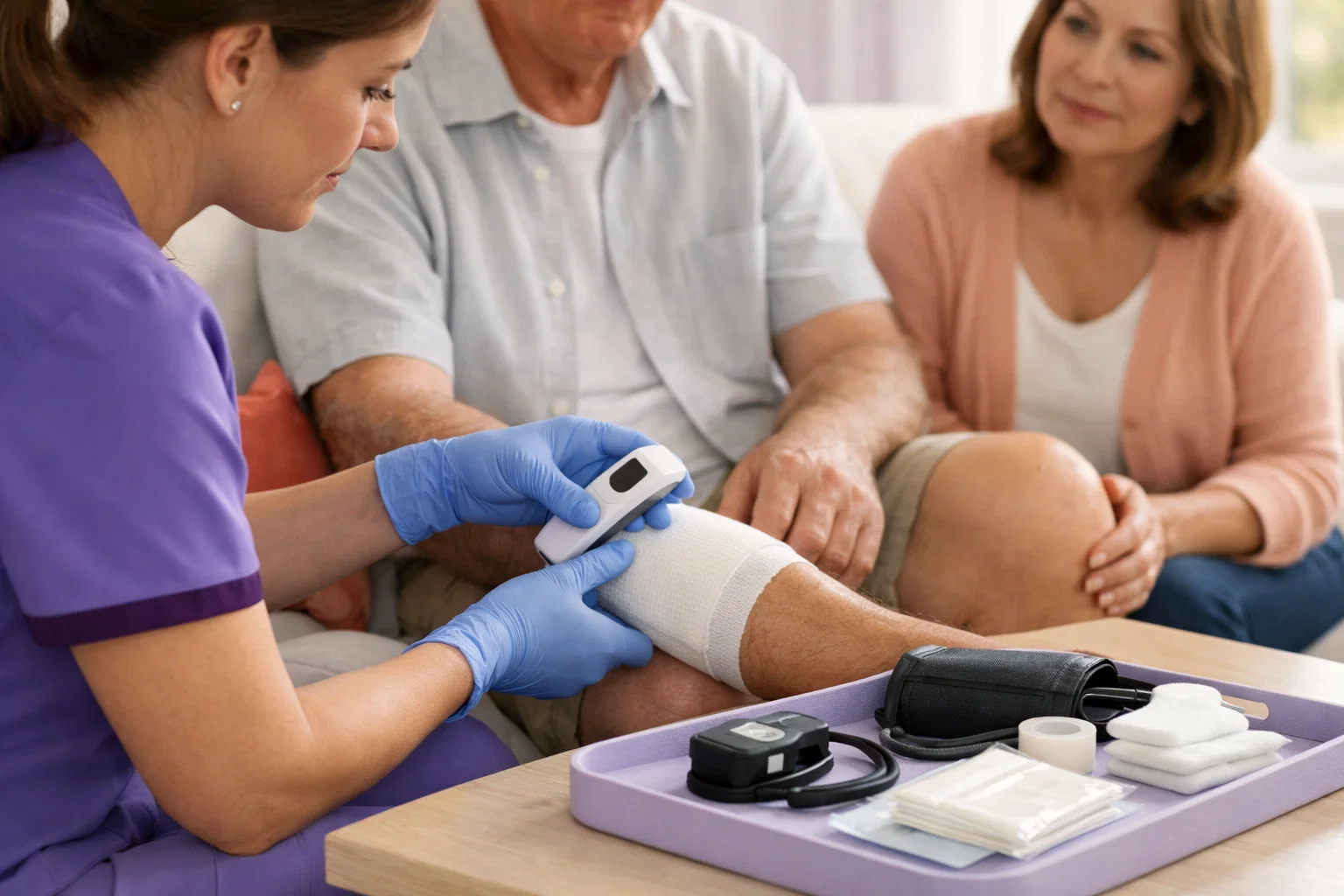

Recognizing Wound Infection Early
Every wound carries some risk of infection. Bacteria exist on our skin and in our environment, and any break in the skin creates an entry point. While many wounds heal without problems, infection can develop in any wound, from minor cuts to surgical incisions to chronic ulcers.
Recognizing infection early is crucial. Treated promptly, most wound infections resolve without serious consequences. Delayed treatment allows infection to spread, potentially causing serious complications including systemic infection (sepsis), bone infection (osteomyelitis), and tissue death requiring surgical removal.
Learning to identify the warning signs of wound infection empowers you to seek appropriate care at the right time, not too early for every minor concern, but not dangerously late when infection has advanced.
How Wound Infections Develop
Understanding infection helps you recognize it and take appropriate precautions.
The Role of Bacteria
Bacteria are everywhere, including on healthy skin. When skin is broken, these organisms gain access to underlying tissue. The body’s immune system typically controls bacterial levels, preventing infection while healing proceeds.
Infection occurs when bacteria multiply faster than the immune system can control them, when particularly harmful bacteria are present, when the immune system is compromised, or when conditions favor bacterial growth over healing.
Factors That Increase Infection Risk
Certain wounds and situations carry higher infection risk:
- Wounds contaminated with dirt, debris, or foreign material
- Bite wounds from animals or humans
- Puncture wounds that drive bacteria deep into tissue
- Wounds in areas with poor circulation
- Chronic wounds that remain open for extended periods
- Surgical wounds, especially after lengthy procedures
- Wounds in people with diabetes, immune disorders, or malnutrition
Early Warning Signs of Infection
Infection typically develops gradually, with warning signs that progress over hours to days.
Increasing Redness
Some redness immediately around a wound is normal, part of the inflammatory phase of healing. Concerning redness expands beyond the wound edges rather than staying confined, intensifies rather than gradually fading, develops distinct borders or spreads in patterns, and appears several days after the wound occurred when initial inflammation should be resolving.
Warmth
Infected wounds feel warm or hot to touch. Compare the area to the same location on the opposite side of the body. Increasing warmth, especially accompanied by other signs, suggests infection.
Swelling
Initial swelling after injury is normal. Infection-related swelling increases progressively, extends beyond the immediate wound area, and may feel hard or tight.
Increasing Pain
Wound pain normally decreases gradually over time. Pain that increases rather than improves, or pain that seems disproportionate to the wound size, may indicate infection.
Drainage Changes
Normal wound drainage is clear to slightly yellow and decreases over time. Infected wounds may produce drainage that is cloudy, yellow, green, or brown in color, thicker than normal, increasing in amount rather than decreasing, or foul-smelling.
Delayed Healing
A wound that stops improving or starts getting worse instead of better may be infected. Chronic wounds are particularly susceptible to infection that prevents healing progress.
Serious Signs Requiring Immediate Attention
Certain signs indicate infection that has progressed or spread, requiring urgent medical evaluation.
Red Streaks
Red streaks extending from a wound along the path of lymph vessels indicate spreading infection (lymphangitis). This is a serious sign requiring immediate medical attention.
Fever and Chills
Fever suggests the infection has triggered a systemic response. When wound infection causes fever, the body is fighting harder than local immune defenses can handle.
Swollen Lymph Nodes
Tender, swollen lymph nodes near the wound (in the groin for leg wounds, in the armpit for arm wounds) indicate the lymph system is fighting spreading infection.
Wound Opening or Tissue Death
If a wound that was healing opens up, or if tissue around the wound turns dark or black, seek immediate care.
Confusion or Rapid Heart Rate
Changes in mental status, rapid breathing, or rapid heart rate with a wound may indicate sepsis, a life-threatening response to infection requiring emergency care.
What to Do If You Suspect Infection
Your response depends on the severity of signs and your overall health status.
For Mild Signs in Otherwise Healthy People
If you notice early warning signs like slight redness expansion or minor drainage changes, monitor closely for 24 hours. Keep the wound clean, apply appropriate dressings, and watch for progression or improvement.
If signs worsen or do not improve within a day, seek professional evaluation.
For Moderate Signs
If you have clear signs of infection such as significant redness, warmth, swelling, or concerning drainage, seek professional evaluation within 24 hours. Do not wait to see if it improves on its own.
For Serious Signs
Red streaks, fever, rapidly spreading redness, or signs of systemic illness require same-day medical evaluation. Go to urgent care or the emergency room if your regular provider cannot see you immediately.
For High-Risk Patients
If you have diabetes, immune compromise, or circulation problems, seek professional evaluation for any signs of infection. Your body has less ability to fight infection, and problems can escalate quickly. Diabetic wound care requires particular vigilance for infection signs.
Professional Assessment and Treatment
When you seek care for a potentially infected wound, here’s what to expect.
Wound Evaluation
The clinician will examine the wound, noting size, depth, tissue appearance, drainage, and surrounding skin. They will ask about how and when the wound occurred, your medical history, current symptoms and timeline of changes, and home treatment you have tried.
Possible Testing
Depending on the situation, evaluation may include wound culture to identify specific bacteria and appropriate antibiotics, blood tests if systemic infection is suspected, and imaging if deep tissue or bone infection is possible.
Treatment Options
Treatment depends on infection severity:
Local Wound Treatment
For mild infections, improved wound care may be sufficient. This includes thorough cleaning, debridement if needed, antimicrobial dressings, and more frequent wound dressing changes.
Topical Antibiotics
Some superficial infections respond to topical antimicrobial agents applied directly to the wound.
Oral Antibiotics
More significant infections require systemic antibiotics. Take the complete course as prescribed, even if the wound looks better before you finish.
IV Antibiotics
Serious infections may require intravenous antibiotics. IV therapy at home can provide this treatment without hospitalization for appropriate patients.
Surgical Treatment
Severe infections may require surgical drainage of abscesses or removal of infected tissue.
Preventing Wound Infection
Prevention is always preferable to treatment.
Proper Initial Wound Care
When you get a wound, clean it thoroughly with water to remove debris, apply appropriate antibiotic ointment for minor wounds, cover with a clean bandage, and change dressings regularly.
For Surgical Wounds
Follow your surgeon’s care instructions exactly. Keep the wound dry for the recommended period. Watch carefully for infection signs, especially in the first two weeks. Report any concerns promptly. Professional post-surgical wound care at home provides expert monitoring during the critical healing period.
For Chronic Wounds
Chronic wounds face ongoing infection risk. Professional wound care maintains appropriate treatment and monitors for infection. Keep the wound properly dressed between visits. Follow your care plan consistently. Report any changes to your care team.
Optimize Your Healing Ability
Support your immune system by managing diabetes and blood sugar carefully, eating adequate protein and nutrients, staying hydrated, not smoking as it impairs immune function, and managing chronic conditions that affect immunity.
Special Situations
Certain wound types carry particular infection considerations.
Surgical Site Infections
Surgical wounds can become infected even with proper technique. Warning signs typically appear 3 to 10 days after surgery but can develop weeks later. Post-hospital discharge nursing provides professional monitoring during this vulnerable period.
Diabetic Foot Infections
Foot infections in diabetics can progress rapidly to serious complications. Any redness, swelling, or drainage on a diabetic foot requires prompt professional evaluation. Never wait with diabetic foot infections.
Pressure Ulcer Infections
All pressure ulcers contain bacteria, but clinical infection requires treatment. Signs include increasing drainage, odor, expanding redness, and failure to heal despite appropriate care.
Catheter and Line Infections
Catheters and intravenous lines create infection entry points. Catheter care and PICC line care include monitoring for infection at insertion sites.
When Home Care Is Appropriate
Many wound infections can be managed at home with professional support.
Home Health Wound Care
A wound care nurse at home can assess wounds for infection signs, provide appropriate wound treatment, administer IV antibiotics if prescribed, monitor response to treatment, communicate with physicians about wound status, and educate you about warning signs requiring additional attention.
Benefits of Professional Home Monitoring
Professional monitoring catches problems early, before they become serious. Trained clinicians recognize subtle infection signs that patients might miss. Regular assessment ensures treatment is working and adjusts care when needed.
Taking Infection Seriously
Wound infection deserves respect but not panic. Most infections respond well to appropriate treatment, especially when caught early. Learn to recognize the warning signs, respond appropriately to the level of concern, and seek professional evaluation when indicated.
If you have a wound that shows signs of infection, or if you have a chronic wound that needs professional monitoring, skilled nursing through home health brings expert wound care to your home. Early professional intervention produces better outcomes than delayed treatment of advanced infections.
