
 Wound Care
Home wound care can begin as soon as you are discharged from the hospital or surgical center. Many patients benefit from having a nurse visit within 24-48 hours of returning home to assess the incision, ensure proper wound care is in place, and address any immediate concerns. Early professional assessment helps ensure your recovery starts on the right track and catches any problems before they develop.
Post-Surgical Wound Care at Home
Post-surgical wound care at home throughout Los Angeles County. Our skilled nurses provide incision monitoring, dressing changes, drain management, and complication care to ensure optimal healing after any surgery. Medicare accepted.
EXCELLENT 


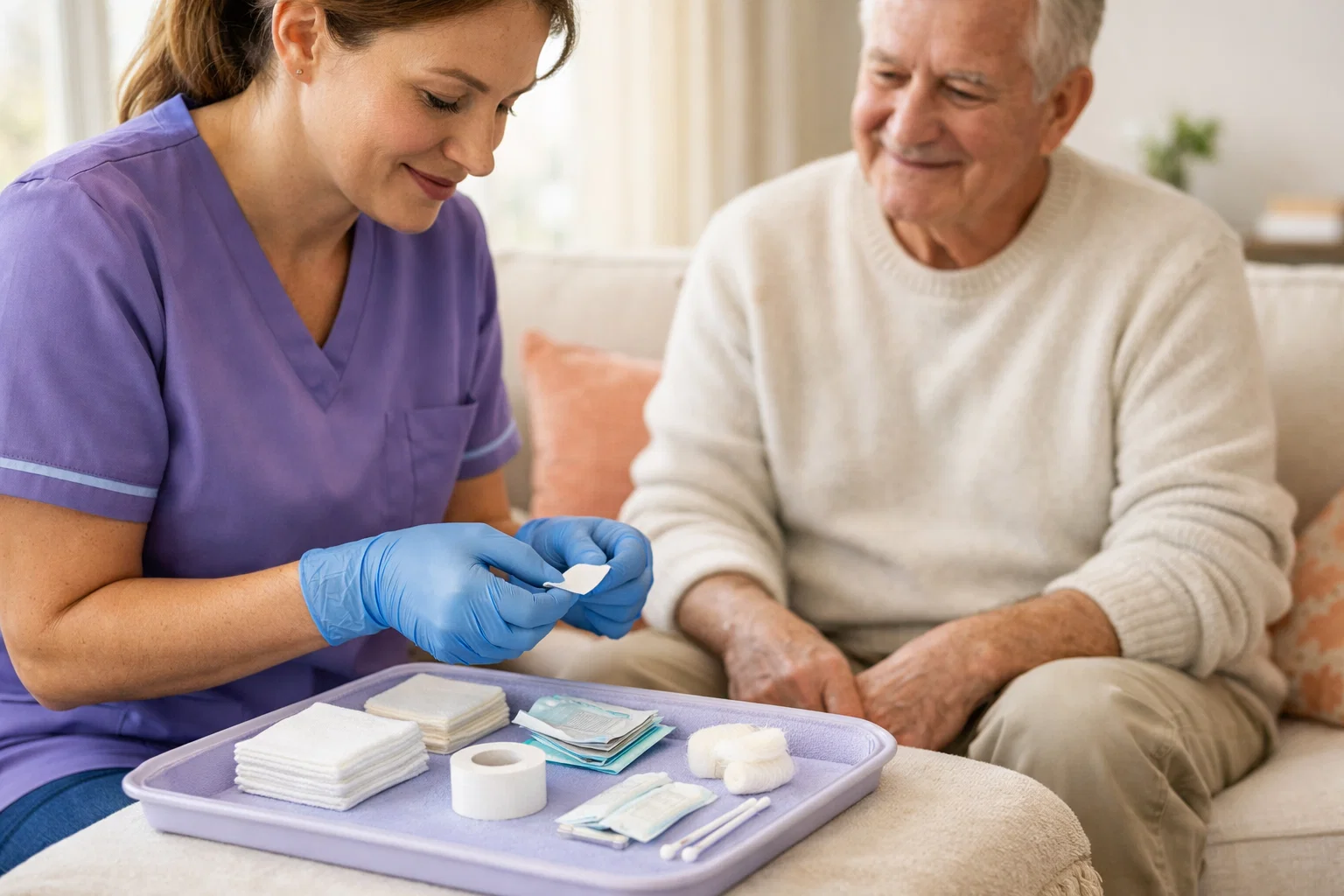
Expert Surgical Incision Care for Optimal Healing at Home
The success of any surgery depends not only on what happens in the operating room but also on the quality of wound care that follows. Proper incision management prevents infection, minimizes scarring, and ensures your surgical site heals as intended. At HarvardCare Home Health, our skilled nurses provide professional post-surgical wound care throughout Los Angeles County, delivering the expert attention your incision needs while you recover in the comfort of your own home.
Many patients are discharged from hospitals and surgical centers with incisions that require ongoing professional care. Some wounds need frequent dressing changes, others require drain management, and some develop complications that demand skilled intervention. Our home-based wound care brings the expertise you need directly to you, eliminating the stress and difficulty of traveling to follow-up appointments while ensuring your surgical site receives proper attention.
Understanding Surgical Wound Healing
Knowing how surgical wounds heal helps you understand why proper care matters and what to expect during recovery.
The Healing Process
Surgical wound healing occurs in predictable phases. The hemostasis phase happens immediately, as blood clots form to stop bleeding. The inflammatory phase follows over the first several days, bringing immune cells to fight potential infection and clear debris—this causes the normal redness, warmth, and swelling around fresh incisions. The proliferative phase spans roughly days 4 through 21, when the body produces new tissue to fill and close the wound. Finally, the remodeling phase continues for months to years as scar tissue matures and strengthens.
Factors Affecting Healing
Many factors influence how well and how quickly surgical wounds heal. Nutrition provides the building blocks for tissue repair—protein, vitamin C, zinc, and adequate calories all matter. Blood supply delivers oxygen and nutrients to the wound site. Underlying conditions like diabetes, vascular disease, and immune disorders can impair healing. Medications including steroids and some chemotherapy drugs affect wound repair. Smoking significantly delays healing by constricting blood vessels. Wound tension from movement or inadequate closure can disrupt healing. And infection diverts the body’s resources from repair to fighting bacteria.
Types of Surgical Closure
Surgeons close incisions using various methods, each requiring appropriate care. Sutures or stitches may be absorbable or require removal. Staples are common for longer incisions and require removal at appropriate timing. Surgical glue creates a protective barrier that peels off as healing progresses. Steri-strips are adhesive strips that support wound edges and fall off gradually. Some wounds are left partially open to heal from the bottom up, particularly if infection risk is high. Your closure type determines specific care requirements.
Our Post-Surgical Wound Care Services
We provide comprehensive care for surgical incisions across all types of procedures.
Incision Assessment and Monitoring
Regular professional assessment catches problems early when intervention is most effective. At each visit, we evaluate incision appearance including color, edges, and surrounding skin. We assess for signs of infection such as increasing redness, warmth, swelling, drainage, or odor. We monitor healing progress against expected timelines. We check closure integrity ensuring sutures, staples, or other closures remain intact. And we document wound status to track changes over time. This ongoing monitoring ensures any concerns are identified and addressed promptly.
Dressing Changes
Many surgical wounds require regular dressing changes to protect the incision, absorb drainage, and maintain an optimal healing environment. We perform dressing changes using sterile technique to prevent contamination. We select appropriate dressings based on wound characteristics and drainage levels. We ensure proper dressing security without excessive tension. And we time dressing changes appropriately—not so frequent as to disrupt healing, not so infrequent as to allow problems. Proper dressing management supports optimal healing.
Drain Management
Many surgeries involve placement of drains to remove excess fluid from the surgical site. Drains require specific care including securing the drain to prevent accidental dislodgement, emptying and measuring drainage output, assessing drainage characteristics for concerning changes, maintaining drain site cleanliness, and coordinating with surgeons regarding drain removal timing. Our nurses are experienced in managing all types of surgical drains including Jackson-Pratt drains, Hemovac drains, Penrose drains, and others.
Suture and Staple Removal
When closure materials require removal, timing matters. Removal too early risks wound reopening; too late increases scarring and infection risk. We coordinate with your surgeon regarding appropriate removal timing, then perform removal using proper technique that minimizes discomfort and protects the healing incision. After removal, we assess wound integrity and provide guidance on ongoing care.
Wound Complication Management
Despite best efforts, surgical wounds sometimes develop complications. We are equipped to manage dehiscence or wound opening requiring specialized closure support, surgical site infections requiring enhanced wound care and coordination with physicians for antibiotic therapy, seromas or fluid collections that may require aspiration, hematomas or blood collections affecting healing, delayed healing requiring advanced wound care interventions, and hypergranulation or excessive tissue growth. Early recognition and appropriate management of complications prevents minor problems from becoming major setbacks.
Complex Wound Care
Some surgical wounds require advanced care beyond simple dressing changes. We provide negative pressure wound therapy for appropriate wounds, advanced dressing selection for challenging wound characteristics, packing and care for wounds healing by secondary intention, and coordination with surgeons for wounds requiring additional intervention. Our nurses have the skills and resources to manage complex surgical wounds at home.
Surgery Types We Support
Our post-surgical wound care serves patients recovering from virtually any surgical procedure.
Orthopedic Surgery
Joint replacements, fracture repairs, spinal surgeries, and other orthopedic procedures often involve significant incisions requiring professional care. We manage these wounds while coordinating with your rehabilitation program.
Abdominal Surgery
Whether open or laparoscopic, abdominal surgeries create incisions needing attention. We care for wounds from appendectomy, cholecystectomy, hernia repair, bowel surgery, and other abdominal procedures.
Cardiac Surgery
Sternotomy incisions from open heart surgery and leg incisions from vein harvesting require careful management. We provide specialized care for cardiac surgery patients during their recovery.
Cancer Surgery
Tumor removal, mastectomy, lymph node dissection, and other cancer surgeries often involve complex wounds and drains. We support cancer patients through surgical recovery while they may also be managing other treatments.
Vascular Surgery
Bypass grafts, aneurysm repairs, and other vascular procedures create wounds in patients whose circulation may already be compromised. We provide attentive care that supports healing despite vascular challenges.
General Surgery
From minor outpatient procedures to major operations, we care for surgical wounds of all types and sizes.
Infection Prevention and Recognition
Surgical site infection is a serious complication that proper wound care helps prevent.
Prevention Strategies
Our care incorporates evidence-based infection prevention including strict sterile technique during dressing changes, appropriate dressing selection and change frequency, keeping the wound clean and protected, monitoring for early warning signs, and patient education on infection prevention between visits. Prevention is always preferable to treatment.
Recognizing Infection
We teach patients and caregivers to recognize infection warning signs including increasing redness spreading from the incision, increased warmth around the wound, worsening or new swelling, purulent or foul-smelling drainage, fever or feeling unwell, and increasing pain rather than gradual improvement. Early recognition allows prompt treatment before infection worsens.
Responding to Infection
If infection is suspected or confirmed, we intensify wound care, obtain cultures when indicated, coordinate with your surgeon or physician regarding antibiotic therapy, and monitor closely for response to treatment. Prompt, appropriate response to infection protects your surgical outcome.
Patient and Caregiver Education
Education empowers you to participate effectively in your wound care.
What We Teach
Our education covers recognizing normal versus concerning wound changes, activity restrictions to protect your incision, proper hygiene around surgical sites, signs requiring immediate medical attention, medication management including pain control, nutrition for optimal healing, and any specific care tasks you will perform. Informed patients achieve better outcomes.
Caregiver Training
When family members assist with wound care, we train them in proper technique. Caregivers learn hand hygiene, dressing change procedures if applicable, drain care when present, what to monitor and report, and how to support healing through appropriate assistance.
Coordination with Your Surgical Team
We work closely with your surgeons throughout recovery. We follow surgeon-specific protocols and preferences, communicate wound status at appropriate intervals, report concerns promptly, coordinate timing for suture and staple removal and drain removal, and ensure continuity between surgical and home health care. This coordination ensures everyone involved in your care works toward the same goals.
The Home Care Advantage
Receiving post-surgical wound care at home offers meaningful benefits.
Reduced Infection Risk
Healthcare facilities harbor resistant bacteria. Recovering at home, with professional wound care brought to you, reduces exposure to healthcare-associated infections.
Comfort and Rest
Recovery requires rest, and rest comes easier at home. Eliminating trips to clinics preserves energy for healing and reduces the pain and difficulty of post-surgical travel.
Personalized Environment
We see your actual recovery environment and can make recommendations for optimizing it—positioning, accessibility, and safety considerations specific to your situation.
Consistent Monitoring
Regular home visits provide consistent wound monitoring that catches problems early, potentially preventing complications that could require rehospitalization.
Insurance Coverage
Post-surgical wound care is covered by Medicare Part A for homebound patients with physician orders. Skilled nursing for surgical incision management is a recognized covered service. Medi-Cal and most private insurance plans provide similar coverage. Our team handles verification and authorization.
Getting Started
If you are facing surgery or have recently had a procedure and need professional wound care, contact HarvardCare Home Health. Our skilled nurses provide expert post-surgical wound care throughout Los Angeles County, ensuring your incision receives the attention it needs for optimal healing.
Your surgical outcome depends on proper wound care. Do not leave your recovery to chance. Call today for a free consultation and give your incision the professional care it deserves.
FAQs
Do you have questions?
Got questions about Post-Surgical Wound Care at Home? Here are answers to what patients and families ask most.
Visit frequency depends on your wound's needs. Fresh surgical incisions or wounds with drains may require daily visits initially. As healing progresses and wound care needs decrease, visits typically become less frequent. Some patients need only a few visits for monitoring and suture removal, while complex wounds may require ongoing care for weeks. We adjust frequency based on your wound's progress.
Watch for increasing redness spreading outward from the incision, increased warmth or swelling, new or worsening drainage especially if thick, discolored, or foul-smelling, fever above 101 degrees, increasing pain rather than gradual improvement, or wound edges separating. Contact us or your surgeon immediately if you notice these signs. Early intervention is critical for treating surgical site infections effectively.
Yes, we coordinate with your surgeon regarding appropriate timing and then perform suture or staple removal at home using proper technique. Home removal is more comfortable than traveling to a clinic and allows immediate assessment of wound integrity after removal. We provide guidance on ongoing care once closures are removed.
Wound dehiscence or opening requires prompt professional attention. Depending on severity, management may include specialized dressings to support closure, wound care to promote healing by secondary intention, or coordination with your surgeon if reclosure is needed. Contact us immediately if your wound opens so we can assess the situation and implement appropriate care.
Absolutely. We maintain communication with your surgical team throughout your recovery. We follow surgeon-specific protocols and preferences, report wound status and any concerns, and coordinate timing for procedures like drain and closure removal. This collaboration ensures continuity between your surgical care and home health services.
Support healing by following all activity restrictions to avoid stressing the incision, eating adequate protein and nutrients, staying well-hydrated, not smoking as it significantly impairs healing, keeping the wound clean and protected as instructed, taking medications as prescribed, and attending all follow-up appointments. Your active participation in recovery significantly affects outcomes.
Yes, drain management is a core part of our post-surgical care. We secure drains properly, empty and measure output, assess drainage characteristics, maintain site cleanliness, and coordinate with surgeons regarding removal timing. We also teach caregivers drain care when appropriate so output can be managed between nursing visits.
Post-Surgical Wound Care at Home may help patients who have a skilled home health need related to safety, recovery, daily function, condition monitoring, or caregiver teaching. HarvardCare Home Health can review the request and explain whether the service may fit the plan of care.
The home health nurse may assess the home routine, review current concerns, provide patient and caregiver education, and coordinate with the physician or care team when clinically appropriate.
TESTIMONIALS
What Our Patients & Families Say
EXCELLENT
AREAS WE SERVE
Post-Surgical Wound Care at Home Near You
Our licensed healthcare professionals provide expert care in the comfort of your home. We proudly serve patients and families throughout Los Angeles County.
Serving 97 cities across LA County
- A
- Agoura Hills
- Alhambra
- Altadena
- Arcadia
- B
- Bel Air
- Bellflower
- Beverly Hills
- Boyle Heights
- Brentwood
- Burbank
- C
- Calabasas
- Carson
- Century City
- Cerritos
- Claremont
- Compton
- Covina
- Culver City
- D
- Diamond Bar
- Downey
- E
- Eagle Rock
- East Los Angeles
- Echo Park
- Encino
- G
- Gardena
- Glendale
- Glendora
- Granada Hills
- H
- Hacienda Heights
- Hancock Park
- Harbor City
- Hawthorne
- Highland Park
- Hollywood
- Hollywood Hills
- I
- Inglewood
- K
- Koreatown
- L
- La Crescenta-Montrose
- La Mirada
- Lakewood
- Lincoln Heights
- Long Beach
- Los Angeles
- Los Feliz
- M
- Malibu
- Manhattan Beach
- Mar Vista
- Marina del Rey
- Mid-City
- Mid-Wilshire
- Miracle Mile
- Monrovia
- Montebello
- Monterey Park
- N
- North Hollywood
- Northridge
- Norwalk
- P
- Pacific Palisades
- Palms
- Palos Verdes Estates
- Palos Verdes Peninsula
- Panorama City
- Pasadena
- Pico Rivera
- Playa Vista
- Pomona
- Porter Ranch
- R
- Rancho Palos Verdes
- Redondo Beach
- Reseda
- Rolling Hills Estates
- Rowland Heights
- S
- San Dimas
- San Gabriel
- San Marino
- San Pedro
- Santa Clarita
- Santa Monica
- Sawtelle
- Sherman Oaks
- Silver Lake
- South Gate
- South Pasadena
- Studio City
- T
- Tarzana
- Torrance
- V
- Van Nuys
- Venice
- W
- West Covina
- West Hollywood
- West Los Angeles
- Westchester
- Westlake Village
- Westwood
- Whittier
- Wilmington
- Woodland Hills
More Services

In-Home Wound Care Services
- Board-certified wound care nurses
- Personalized treatment plans
- All wound types treated
Diabetic Wound Care at Home
- Diabetes wound specialists
- Blood sugar optimization support
- Advanced offloading techniques
Skilled Nursing Care at Home
- Registered nurses available 7 days a week
- Comprehensive care coordination
- IV therapy and infusion services