
 Wound Care
Therapy can often begin within days of hospital discharge, sometimes as early as 24-48 hours after you arrive home. Early initiation during the critical recovery window improves outcomes. The exact timing depends on your procedure, surgeon recommendations, and your condition. We coordinate with your surgical team to ensure therapy begins at the optimal time for your specific situation.
Post-Surgery Rehab at Home
Post-surgery rehabilitation at home throughout Los Angeles County. Our physical therapists specialize in recovery from joint replacement, spine surgery, cardiac procedures, and orthopedic repairs. Start therapy sooner and recover better at home. Medicare accepted.
EXCELLENT 


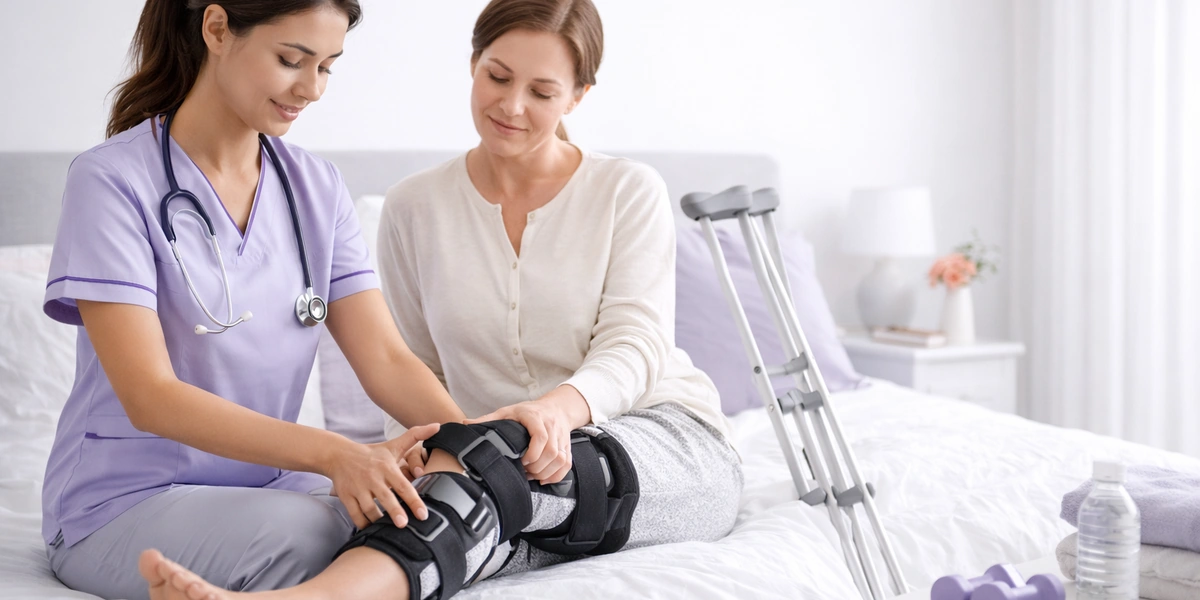
Accelerate Your Surgical Recovery with Home-Based Rehabilitation
Surgery is often just the beginning of your healing journey. What happens in the days and weeks after your procedure—the rehabilitation phase—largely determines your ultimate outcome. Post-surgery rehab at home brings expert physical therapy directly to you during this critical recovery period, helping you regain strength, mobility, and function without the challenges of traveling to outpatient clinics. At HarvardCare Home Health, our specialized post-surgical rehabilitation program serves patients throughout Los Angeles County, providing the intensive, personalized therapy needed to achieve optimal recovery outcomes.
Research consistently shows that early, appropriate rehabilitation after surgery improves outcomes across virtually every type of procedure. Yet many patients struggle to access timely therapy due to transportation difficulties, pain, fatigue, or simply the logistics of getting to appointments while recovering. Home-based post-surgery rehab eliminates these barriers, ensuring you receive the therapy you need when you need it most.
Why Post-Surgical Rehabilitation Matters
Surgery creates trauma to the body that triggers a cascade of healing responses. How you manage recovery during this period profoundly affects your results.
The Critical Early Recovery Window
The first weeks after surgery represent a critical window for rehabilitation. During this time, scar tissue is forming, muscles are at risk of atrophy from disuse, and movement patterns are being established. Appropriate therapy during this window helps ensure scar tissue forms in ways that support rather than restrict movement, muscles maintain strength and begin rebuilding, joints retain or regain their range of motion, and proper movement patterns develop from the start.
Missing this window or receiving inadequate early therapy can lead to complications that are much harder to address later—stiffness, weakness, and compensatory movement patterns that persist long after the surgical site has healed.
Preventing Complications
Post-surgical complications like blood clots, pneumonia, and excessive scar tissue are more likely when patients remain immobile. Appropriate rehabilitation keeps you moving safely, reducing these risks while respecting necessary surgical precautions. Your therapist knows exactly how much activity is beneficial and how much is too much for your specific procedure and stage of recovery.
Restoring Function, Not Just Healing
A successful surgery repairs anatomical problems, but surgery alone does not restore function. Your knee replacement gives you a new joint, but rehabilitation teaches your body to use that joint effectively. Your rotator cuff repair fixes torn tissue, but therapy rebuilds the strength and coordination needed to use your shoulder normally. Post-surgical rehab bridges the gap between surgical success and functional recovery.
Surgeries We Support
Our post-surgical rehabilitation program supports recovery from a wide range of procedures.
Joint Replacement Surgery
Total hip replacement, total knee replacement, and partial knee replacement are among the most common surgeries requiring intensive rehabilitation. Our therapists are experts in joint replacement protocols, guiding patients through each phase of recovery from initial mobility and precaution education through return to full activity. We work closely with orthopedic surgeons to ensure therapy aligns perfectly with surgical technique and individual patient factors.
Spine Surgery
Spinal fusion, laminectomy, discectomy, and other spine procedures require careful rehabilitation that protects the surgical site while restoring mobility and strength. Our therapists understand spinal precautions and progression protocols, helping patients recover safely while building the core strength and body mechanics that protect the spine long-term.
Shoulder Surgery
Rotator cuff repair, labral repair, shoulder replacement, and other shoulder procedures demand precise rehabilitation progression. The shoulder is particularly prone to stiffness if not mobilized appropriately, yet aggressive early therapy can compromise surgical repairs. Our therapists navigate this balance expertly, ensuring optimal outcomes.
Fracture Repair
After surgical repair of hip fractures, ankle fractures, wrist fractures, and other broken bones, rehabilitation restores strength and mobility while the bone continues healing. We coordinate closely with orthopedic surgeons regarding weight-bearing status and activity progression.
Cardiac Surgery
Open heart surgery, valve replacement, and coronary bypass procedures require specialized cardiac rehabilitation. Our therapists provide appropriate exercise progression, monitor cardiac responses, and help patients safely rebuild endurance while respecting sternal precautions and cardiovascular limitations.
Abdominal and Pelvic Surgery
Major abdominal procedures, hysterectomy, prostatectomy, and other pelvic surgeries benefit from rehabilitation focused on safe mobility, core stabilization, and gradual return to normal activity. We help patients move safely while protecting healing surgical sites.
Amputation
Following limb amputation, rehabilitation is essential for residual limb conditioning, mobility training, and preparation for prosthetic use. Our therapists support patients through this challenging transition with compassion and expertise.
Our Post-Surgery Rehab Approach
Effective post-surgical rehabilitation follows a structured progression tailored to your specific procedure and individual factors.
Pre-Surgical Consultation
When possible, we meet with patients before surgery to establish baseline function, explain what to expect during recovery, and prepare the home environment. This prehabilitation approach helps patients enter surgery stronger and better prepared for the recovery process.
Immediate Post-Operative Care
We can begin therapy within days of your discharge from the hospital or surgical center. Early visits focus on safe mobility, pain management strategies, swelling control, and ensuring you understand and follow surgical precautions. We verify that your home setup supports safe recovery and make recommendations for any needed modifications or equipment.
Progressive Rehabilitation
As you heal, therapy progresses through structured phases. Each phase builds on previous gains while introducing new challenges appropriate for your stage of recovery:
- Early phase: Protected mobility, pain and swelling management, gentle range of motion
- Intermediate phase: Progressive strengthening, increased range of motion, improved functional mobility
- Advanced phase: Higher-level strengthening, balance and coordination, return to normal activities
- Final phase: Sport or activity-specific training, prevention strategies, independent maintenance
Progression is individualized based on your healing, your goals, and guidance from your surgical team.
Pain Management Integration
Post-surgical pain is expected, but it should not prevent rehabilitation. Our therapists use various techniques to manage pain during therapy including appropriate timing of sessions relative to pain medication, ice and elevation protocols, gentle manual techniques that reduce pain, graded exercise that improves pain over time, and education about the difference between harmful pain and expected discomfort.
Surgical Precaution Adherence
Different surgeries require different precautions—movement restrictions, weight-bearing limitations, or activity modifications designed to protect healing tissues. Our therapists are thoroughly trained in surgical precautions for all procedure types and ensure every aspect of your therapy respects these requirements. We also educate you and your family about precautions so they are maintained between therapy visits.
Communication with Surgical Team
We maintain close communication with your surgeon throughout recovery. We send regular progress reports, notify them promptly of any concerns, and coordinate on decisions about activity progression and precaution modification. This collaborative approach ensures everyone involved in your care is aligned and working toward your best outcome.
Benefits of Home-Based Post-Surgery Rehab
Recovering from surgery at home with therapy brought to you offers significant advantages.
Eliminates Transportation Challenges
After surgery, getting to outpatient appointments is often the biggest obstacle to receiving therapy. You may not be able to drive, getting in and out of vehicles may be painful or restricted, and the energy required for travel leaves less for actual rehabilitation. Home therapy removes this barrier entirely.
Therapy in Your Recovery Environment
You will be recovering at home, so it makes sense to rehabilitate there too. Your therapist works with your actual stairs, your bathroom, your furniture—the specific environment where you need to function. Skills learned at home transfer directly to daily life without the gap that exists when therapy happens in a clinical setting.
Earlier Therapy Initiation
Because transportation is not a barrier, home-based therapy can often begin sooner after surgery than outpatient therapy. This earlier start during the critical recovery window can translate to better outcomes.
Family Inclusion
When therapy happens at home, family members naturally participate. They observe proper techniques, learn how to assist safely, understand the recovery process, and can provide better support between therapy sessions. This family involvement enhances recovery.
Reduced Infection Exposure
Post-surgical patients are particularly vulnerable to infection. Avoiding clinic waiting rooms and shared therapy equipment reduces exposure to pathogens during this vulnerable period.
Comfort Promotes Recovery
Patients recovering in familiar, comfortable surroundings typically experience less anxiety, sleep better, and feel more motivated to engage in rehabilitation. This psychological benefit supports physical recovery.
What to Expect
Post-surgery rehab visits typically last 45-60 minutes and occur two to three times weekly, though frequency varies based on your procedure, recovery stage, and needs. Your therapist arrives with necessary equipment and supplies. Each session includes assessment of your current status including pain, swelling, and range of motion, hands-on treatment techniques as appropriate, therapeutic exercises progressed for your recovery stage, functional training relevant to your daily activities, and home exercise instruction and progression.
Duration of post-surgical therapy varies widely depending on the procedure. Joint replacement patients typically require 6-12 weeks of therapy. Rotator cuff repairs may need 12-16 weeks. Your therapist establishes expected timelines and milestones based on your specific surgery and adjusts as your recovery unfolds.
Insurance Coverage
Post-surgical rehabilitation at home is covered by Medicare Part A for patients who are homebound and have a physician order for physical therapy. Being homebound after surgery is common—if leaving home requires considerable effort due to surgical restrictions, pain, or mobility limitations, you likely qualify. Medicare covers home therapy visits at 100% with no copay.
Medi-Cal and most private insurance plans also cover home-based post-surgical rehabilitation with similar eligibility requirements. Our team verifies your coverage before starting services and manages all authorization processes.
Getting Started
If you have surgery scheduled or have recently had a procedure and need rehabilitation, contact HarvardCare Home Health today. We can often begin therapy within 24-48 hours of receiving physician orders. Our experienced physical therapists are ready to bring expert post-surgical rehabilitation to your home, helping you achieve the best possible recovery—right where you are healing.
Do not let transportation challenges or the difficulties of getting to appointments compromise your surgical outcome. Home-based post-surgery rehab brings the therapy you need to the place where you are recovering. Contact us today for a free consultation and take the first step toward optimal recovery.
FAQs
Do you have questions?
Got questions about Post-Surgery Rehab at Home? Here are answers to what patients and families ask most.
Home therapy eliminates transportation challenges that often delay or prevent post-surgical care. You receive therapy in your actual recovery environment, so skills transfer directly to daily life. Therapy can often start sooner, family members can participate more easily, and you avoid infection exposure in clinic waiting rooms. The therapy itself uses the same evidence-based techniques—just delivered where you are recovering.
Absolutely. Our therapists are trained in surgical precautions for all major procedure types including joint replacements, spine surgery, rotator cuff repairs, cardiac surgery, and more. We also communicate directly with your surgeon to understand any patient-specific instructions. Every aspect of your therapy will respect required precautions while still advancing your recovery appropriately.
Duration varies by procedure and individual factors. Total joint replacement patients typically need 6-12 weeks of therapy. Rotator cuff and shoulder procedures often require 12-16 weeks. Spine surgery recovery varies widely based on the specific procedure. Your therapist establishes expected timelines at the start of care and adjusts based on your progress. The goal is always returning you to your desired activity level.
Post-surgical pain is expected and should not prevent rehabilitation—in fact, appropriate therapy often helps reduce pain. We time sessions to align with your pain medication schedule, use techniques like ice and gentle manual therapy to manage discomfort, and progress exercises at a pace your body can tolerate. We teach you the difference between normal post-surgical discomfort and pain that signals a problem requiring attention.
Post-Surgery Rehab at Home may help patients who have a skilled home health need related to safety, recovery, daily function, condition monitoring, or caregiver teaching. HarvardCare Home Health can review the request and explain whether the service may fit the plan of care.
The physical therapist may assess the home routine, review current concerns, provide patient and caregiver education, and coordinate with the physician or care team when clinically appropriate.
Home health services generally require a provider order and a plan of care. The agency can help review the referral, skilled need, homebound status, and eligibility considerations.
Yes. Caregiver education is often an important part of home physical therapy. The care team may teach safer routines, warning signs, and ways to support the patient between visits.
Prepare recent discharge papers, medication lists, physician instructions, supply or equipment information, current symptoms, fall history, and questions about what has become difficult at home.
TESTIMONIALS
What Our Patients & Families Say
EXCELLENT
AREAS WE SERVE
Post-Surgery Rehab at Home Near You
Our licensed healthcare professionals provide expert care in the comfort of your home. We proudly serve patients and families throughout Los Angeles County.
Serving 279 cities across LA County
- A
- Acton
- Adams-Normandie
- Agoura Hills
- Agua Dulce
- Alhambra
- Alondra Park
- Altadena
- Angelino Heights
- Arcadia
- Arleta
- Arlington Heights
- Artesia
- Arts District
- Atwater Village
- Avocado Heights
- Azusa
- B
- Baldwin Hills
- Baldwin Park
- Bassett
- Beachwood Canyon
- Bel Air
- Bell
- Bell Gardens
- Bellflower
- Beverly Crest
- Beverly Grove
- Beverly Hills
- Beverlywood
- Boyle Heights
- Bradbury
- Brentwood
- Broadway-Manchester
- Burbank
- C
- Calabasas
- Canoga Park
- Canyon Country
- Carson
- Carthay
- Castaic
- Castle Heights
- Central-Alameda
- Century City
- Cerritos
- Charter Oak
- Chatsworth
- Chesterfield Square
- Cheviot Hills
- Chinatown
- Citrus
- City Terrace
- Claremont
- Commerce
- Compton
- Country Club Park
- Covina
- Crenshaw
- Cudahy
- Culver City
- Cypress Park
- D
- Del Aire
- Del Rey
- Desert View Highlands
- Diamond Bar
- Downey
- Downtown Los Angeles
- Duarte
- E
- Eagle Rock
- East Hollywood
- East Los Angeles
- East Pasadena
- East Rancho Dominguez
- East San Gabriel
- East Whittier
- Echo Park
- El Camino Village
- El Monte
- El Segundo
- El Sereno
- Elysian Valley
- Encino
- Exposition Park
- F
- Fairfax
- Florence
- Florence-Firestone
- G
- Gardena
- Garvanza
- Glassell Park
- Glendale
- Glendora
- Gramercy Park
- Granada Hills
- Green Meadows
- H
- Hacienda Heights
- Hancock Park
- Harbor City
- Harbor Gateway
- Harvard Heights
- Harvard Park
- Hasley Canyon
- Hawaiian Gardens
- Hawthorne
- Hermon
- Hermosa Beach
- Hidden Hills
- Highland Park
- Historic Filipinotown
- Hollywood
- Hollywood Hills
- Holmby Hills
- Huntington Park
- Hyde Park
- I
- Inglewood
- J
- Jefferson Park
- K
- Kinneloa Mesa
- Koreatown
- L
- La Cañada Flintridge
- La Crescenta-Montrose
- La Habra Heights
- La Mirada
- La Puente
- La Verne
- Ladera Heights
- Lake Balboa
- Lake Hughes
- Lake Los Angeles
- Lake View Terrace
- Lakewood
- Lancaster
- Larchmont
- Lawndale
- Leimert Park
- Lennox
- Leona Valley
- Lincoln Heights
- Little Armenia
- Little Tokyo
- Littlerock
- Lomita
- Long Beach
- Los Angeles
- Los Feliz
- Lynwood
- M
- Malibu
- Manchester Square
- Manhattan Beach
- Mar Vista
- Marina del Rey
- Mayflower Village
- Maywood
- Mid-City
- Mid-Wilshire
- Miracle Mile
- Mission Hills
- Monrovia
- Montebello
- Montecito Heights
- Monterey Park
- Mt Washington
- N
- Newhall
- NoHo Arts District
- North El Monte
- North Hills
- North Hollywood
- North Long Beach
- Northridge
- Norwalk
- P
- Pacific Palisades
- Pacoima
- Palmdale
- Palms
- Palos Verdes Estates
- Palos Verdes Peninsula
- Panorama City
- Paramount
- Park La Brea
- Pasadena
- Pearblossom
- Pico Rivera
- Pico-Robertson
- Pico-Union
- Playa del Rey
- Playa Vista
- Pomona
- Porter Ranch
- Q
- Quartz Hill
- R
- Rancho Dominguez
- Rancho Palos Verdes
- Rancho Park
- Redondo Beach
- Reseda
- Rolling Hills
- Rolling Hills Estates
- Rosemead
- Rowland Heights
- S
- San Dimas
- San Fernando
- San Gabriel
- San Marino
- San Pasqual
- San Pedro
- Santa Clarita
- Santa Fe Springs
- Santa Monica
- Saugus
- Sawtelle
- Sepulveda
- Shadow Hills
- Sherman Oaks
- Sherman Village
- Sherwood Forest
- Sierra Madre
- Signal Hill
- Silver Lake
- South Central
- South El Monte
- South Gate
- South Park
- South Pasadena
- South San Gabriel
- South San Jose Hills
- South Whittier
- Stevenson Ranch
- Stonehurst
- Studio City
- Sun Valley
- Sun Village
- Sunland
- Sunset Park
- Sylmar
- T
- Tarzana
- Temple City
- Thai Town
- Toluca Lake
- Topanga
- Torrance
- Tujunga
- U
- University Hills
- University Park
- V
- Val Verde
- Valencia
- Valinda
- Valley Glen
- Valley Village
- Van Nuys
- Venice
- Vermont Knolls
- Vermont Square
- Vermont Vista
- Vermont-Slauson
- Victor Heights
- View Park-Windsor Hills
- Vincent
- W
- Walnut
- Walnut Park
- Watts
- West Adams
- West Athens
- West Carson
- West Covina
- West Hills
- West Hollywood
- West Los Angeles
- West Puente Valley
- West Rancho Dominguez
- West Whittier-Los Nietos
- Westchester
- Westlake
- Westlake Village
- Westmont
- Westwood
- Westwood Village
- Whitley Heights
- Whittier
- Willowbrook
- Wilmington
- Wilshire Center
- Windsor Square
- Winnetka
- Woodland Hills
More Services

In-Home Wound Care Services
- Board-certified wound care nurses
- Personalized treatment plans
- All wound types treated
Diabetic Wound Care at Home
- Diabetes wound specialists
- Blood sugar optimization support
- Advanced offloading techniques
Skilled Nursing Care at Home
- Registered nurses available 7 days a week
- Comprehensive care coordination
- IV therapy and infusion services