
 Wound Care
Our nurses provide expert care for all ostomy types including colostomies, ileostomies, and urostomies. Each type has unique characteristics and care requirements that our nurses understand thoroughly. Whether you have a new ostomy or have been living with one for years and need help with a problem, we have the expertise to assist you.
Ostomy Care at Home
Ostomy care at home throughout Los Angeles County. Our skilled nurses provide stoma assessment, pouching system management, peristomal skin care, and patient education for colostomy, ileostomy, and urostomy patients. Medicare accepted.
EXCELLENT 


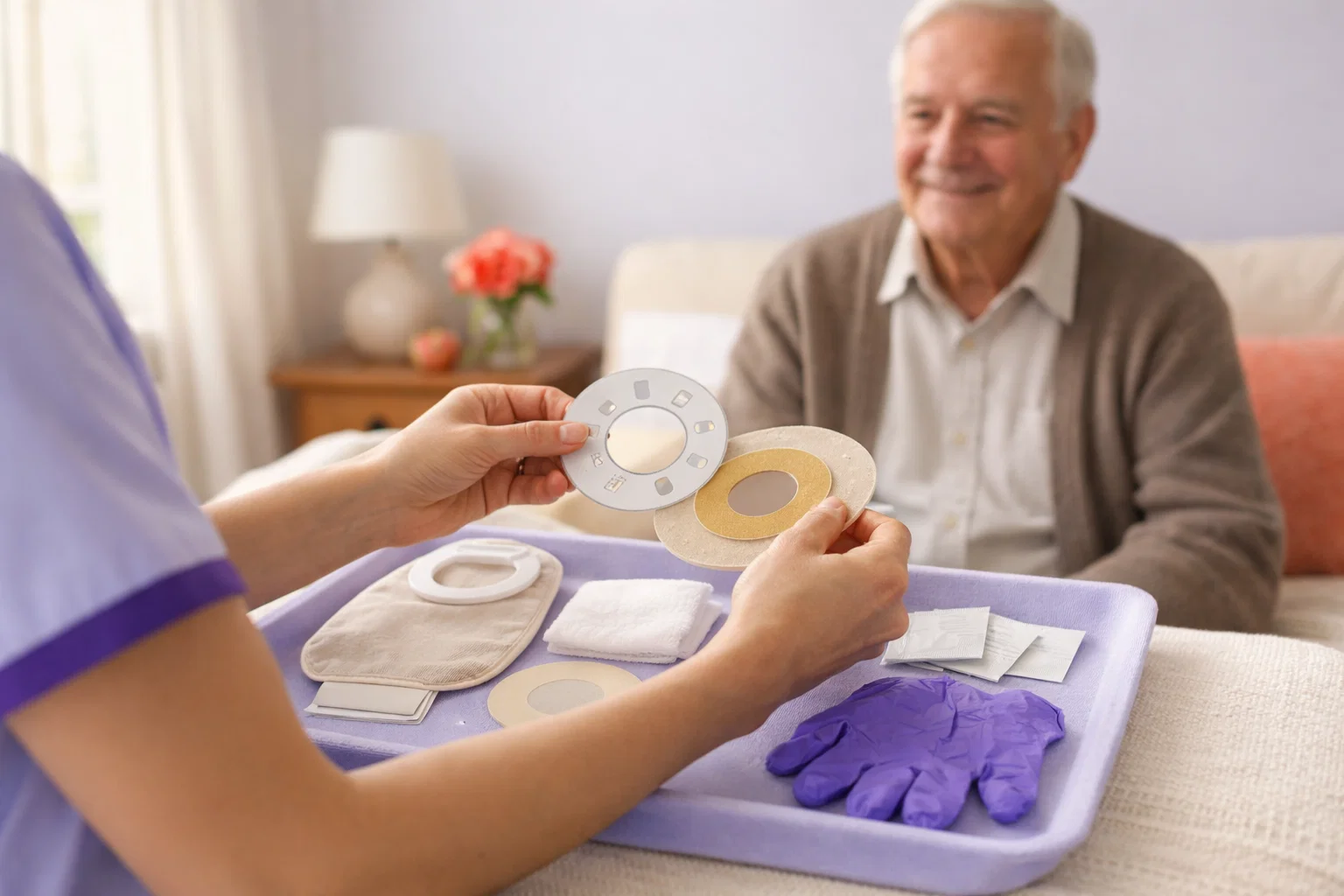
Comprehensive Ostomy Care and Support in Your Home
Adjusting to life with an ostomy is one of the most significant transitions a patient can face. Whether you have a colostomy, ileostomy, or urostomy, learning to care for your stoma and manage your pouching system requires new skills, patience, and often emotional support. At HarvardCare Home Health, our skilled nurses provide expert ostomy care services throughout Los Angeles County, helping patients master ostomy management while adapting to this life change in the comfort and privacy of their own homes.
The weeks and months following ostomy surgery are critical. Proper care technique prevents complications, protects peristomal skin, and builds the confidence needed to resume normal activities. Our nurses bring specialized ostomy expertise directly to you, providing hands-on care, personalized education, and the supportive guidance that makes successful ostomy living possible.
Understanding Ostomies
An ostomy is a surgically created opening that allows waste to exit the body when the normal route is not functional. Different types of ostomies serve different medical needs.
Colostomy
A colostomy brings a portion of the large intestine to the abdominal surface. Stool exits through this opening, called a stoma, into an external pouching system. Colostomies may be created due to colorectal cancer, diverticular disease, trauma, or other conditions affecting the lower digestive tract. Output consistency varies based on the colostomy location—ascending colostomies produce liquid output while sigmoid colostomies typically produce formed stool.
Ileostomy
An ileostomy brings the end of the small intestine to the abdominal surface. Because digestion is not complete at this point, ileostomy output is liquid and contains digestive enzymes that can quickly damage exposed skin. Ileostomies are often performed for inflammatory bowel disease, familial polyposis, or as part of complex abdominal surgeries. The liquid, enzyme-rich output makes proper pouching technique especially critical.
Urostomy
A urostomy, also called an ileal conduit, diverts urine from the bladder when normal urination is not possible. A segment of intestine is used to create a channel from the ureters to the abdominal surface. Urine drains continuously through the stoma into a specialized pouching system. Urostomies are typically performed due to bladder cancer, neurological conditions, or congenital abnormalities.
Temporary vs. Permanent Ostomies
Some ostomies are temporary, created to allow healing of the digestive tract, with reversal surgery planned once healing is complete. Others are permanent when the original anatomy cannot be restored. Care requirements are similar regardless of duration, though emotional adjustment may differ.
Our Ostomy Care Services
Our comprehensive ostomy program addresses every aspect of ostomy management and adaptation.
Stoma Assessment and Monitoring
A healthy stoma is pink or red, moist, and slightly raised above the skin surface. Our nurses assess your stoma at every visit, monitoring for size changes common in the weeks after surgery, color changes that might indicate circulation problems, prolapse or retraction issues, mucocutaneous separation where the stoma meets the skin, and any signs of complications requiring medical attention. Early detection of stoma problems allows prompt intervention before complications worsen.
Pouching System Management
Successful ostomy management depends on a well-fitting pouching system appropriate for your stoma type and output. Our nurses help with selecting the right pouching system from the many options available, properly measuring and fitting the skin barrier to your stoma, applying pouching systems for optimal seal and wear time, troubleshooting leakage and fit problems, and adapting the pouching approach as your stoma changes during healing. We stay current with the latest ostomy products and can recommend solutions for challenging situations.
Peristomal Skin Care
The skin around your stoma, called peristomal skin, must remain healthy for pouching systems to adhere properly. Irritation, breakdown, or infection of peristomal skin creates a cycle of leakage, further irritation, and pouching difficulty. Our nurses provide meticulous skin assessment at every visit, treatment of skin irritation or breakdown when it occurs, proper skin preparation techniques before pouch application, guidance on products that protect and heal peristomal skin, and strategies to prevent skin problems from developing. Healthy peristomal skin is fundamental to comfortable, successful ostomy living.
Output Management
Managing ostomy output involves more than just emptying pouches. Our nurses help you understand normal output for your ostomy type, recognize output changes that may indicate problems, manage high-output situations that risk dehydration, address constipation or blockage concerns, and coordinate with physicians when output issues require medical attention. Proper output management maintains health and prevents complications.
Irrigation Training
Some patients with descending or sigmoid colostomies can regulate their bowel function through colostomy irrigation—a procedure that stimulates bowel emptying at predictable times. For appropriate candidates, this technique can reduce the need for constant pouch wearing. Our nurses assess whether irrigation might benefit you, provide thorough training in the irrigation procedure, supervise initial irrigation sessions until proficiency is achieved, and troubleshoot any difficulties that arise.
Complication Management
Despite best efforts, ostomy complications sometimes occur. Our nurses are experienced in managing issues including parastomal hernias where tissue bulges around the stoma, stoma prolapse where the stoma extends beyond normal, stoma retraction where the stoma pulls below skin level, stenosis or narrowing of the stoma opening, bleeding from the stoma or peristomal area, and blockages in intestinal ostomies. We implement appropriate interventions and coordinate with your surgeon when complications require medical or surgical treatment.
Education for Independence
Our ultimate goal is your independence in ostomy care. We provide progressive education that builds skills and confidence.
Step-by-Step Pouch Change Training
Learning to change your pouching system independently is a milestone in ostomy recovery. We break the process into manageable steps, demonstrate proper technique, guide you through hands-on practice, observe your return demonstrations, and refine your technique until you are confident and competent. Most patients achieve independence in pouch changes within several weeks of consistent practice.
Problem Recognition
Knowing what is normal versus concerning empowers you to respond appropriately. We teach you to recognize signs of skin breakdown requiring attention, output changes suggesting potential problems, stoma appearance changes to report, symptoms of dehydration with high-output ostomies, and signs of blockage in intestinal ostomies. This knowledge helps you manage minor issues independently while seeking help appropriately for significant concerns.
Lifestyle Adaptation
Life with an ostomy can be full and active. We provide guidance on diet modifications and foods that affect output, clothing choices that accommodate pouching systems, traveling with an ostomy including air travel considerations, physical activity and exercise with an ostomy, intimacy and relationships after ostomy surgery, and returning to work and social activities. Many ostomates resume all their previous activities once they master ostomy management.
Caregiver Training
When patients need assistance with ostomy care, we train family members or caregivers in proper technique. We ensure caregivers understand the pouching system, can perform pouch changes competently, recognize problems requiring professional attention, and feel confident in their caregiving role.
Emotional Support and Adjustment
Adapting to an ostomy involves emotional as well as physical adjustment. Body image concerns, fears about social situations, and grief over lost function are normal responses that deserve attention.
Our nurses provide compassionate, non-judgmental support as you navigate this transition. We listen to your concerns, normalize your feelings, and offer practical strategies for common challenges. We can also connect you with ostomy support groups, specialized counselors, and peer support programs where you can meet others living successfully with ostomies.
The Home Advantage for Ostomy Care
Learning ostomy care at home offers distinct advantages over clinic-based instruction.
Privacy and Comfort
Ostomy care involves intimate body areas. Learning in the privacy of your own bathroom, with your own mirror and supplies, is more comfortable than practicing in clinical settings. This comfort facilitates learning and builds confidence.
Real-World Practice
You will be managing your ostomy at home, so it makes sense to learn there. Your nurse sees your actual setup—your bathroom, your lighting, your storage—and helps you develop routines that work in your real environment.
Family Inclusion
When family members need to assist with ostomy care, home-based training includes them naturally. They learn in the same environment where they will provide care.
Flexible Scheduling
Pouch changes and ostomy education happen on a schedule that works for you, not based on clinic appointment availability. This flexibility is especially valuable during the early learning period when you may have many questions.
Continuity of Care
Working with the same nurse visit after visit builds a therapeutic relationship. Your nurse knows your stoma, your skin, your pouching system, and your concerns—providing truly personalized care.
Supplies and Equipment
Ostomy care requires ongoing supplies including skin barriers, pouches, adhesive removers, skin prep products, and accessory items. We help you understand what supplies you need, coordinate with medical supply companies for ordering, verify insurance coverage for ostomy supplies, and troubleshoot supply issues that arise. You should not run out of supplies or struggle to obtain what you need.
Coordination with Your Healthcare Team
We work collaboratively with your surgeons, physicians, and other providers. We report on your progress and any concerns after each visit, facilitate communication about complications or questions, coordinate care with wound ostomy continence nurses at hospitals or clinics, and ensure smooth transitions throughout your ostomy journey.
Insurance Coverage
Ostomy care provided by skilled nurses is covered by Medicare Part A for homebound patients requiring skilled nursing services. Medicare also covers ostomy supplies through Part B. Medi-Cal and most private insurance plans provide similar coverage for both nursing care and supplies.
Our team verifies your coverage and helps navigate the insurance process for both services and supplies.
Getting Started
If you have a new ostomy or are struggling with ostomy management, contact HarvardCare Home Health today. Our skilled nurses provide expert ostomy care throughout Los Angeles County, helping you master your ostomy and return to the life you want to live.
You do not have to figure out ostomy care alone. Our nurses bring expertise, patience, and compassionate support directly to your home. Call today for a free consultation and take the first step toward confident ostomy living.
FAQs
Do you have questions?
Got questions about Ostomy Care at Home? Here are answers to what patients and families ask most.
Visit frequency depends on your needs and where you are in your ostomy journey. Newly post-operative patients often need visits two to three times weekly for intensive education and support. As you gain proficiency, visits typically decrease. Some patients eventually need only periodic check-ins, while others with ongoing skin problems or complications may need continued regular visits. We tailor the schedule to your individual situation.
Absolutely. Peristomal skin problems are one of the most common ostomy challenges, and our nurses are experts in skin assessment and treatment. We identify the cause of irritation—whether from leakage, product sensitivity, improper fit, or other factors—and implement appropriate treatment. We also adjust your pouching approach to prevent recurrence. Most skin problems improve significantly with proper intervention.
Yes. With hundreds of ostomy products available, finding the right pouching system can be overwhelming. Our nurses assess your stoma characteristics, output type, skin condition, lifestyle, and preferences to recommend appropriate options. We can arrange samples of different products for you to try and help you evaluate what works best. The right system makes ostomy management dramatically easier.
Most patients achieve independence in ostomy care with proper training and practice. Our goal is empowering you to manage your ostomy confidently on your own. We provide step-by-step education, supervised practice, and ongoing support until you feel competent. The timeline varies—some patients become independent within weeks while others need longer. We work at your pace and provide as much support as you need.
Leakage and skin irritation are common early on, but they shouldn’t be ignored. A nurse can check your stoma size and shape, adjust your barrier opening, improve the seal, and recommend skin-protection products to help the area heal. If you notice worsening redness, open skin, unusual swelling, bleeding, fever, or a sudden change in output, contact your healthcare provider right away—our team can also help coordinate care.
Home ostomy care can usually begin shortly after you’re discharged from the hospital, especially during the first few weeks when the stoma is changing size and you’re learning pouching and skin-care routines. Our nurses can help with early stoma assessment, pouch fitting, leak prevention, and step-by-step education so you feel confident managing your ostomy at home.
Ostomy Care at Home may help patients who have a skilled home health need related to safety, recovery, daily function, condition monitoring, or caregiver teaching. HarvardCare Home Health can review the request and explain whether the service may fit the plan of care.
The home health nurse may assess the home routine, review current concerns, provide patient and caregiver education, and coordinate with the physician or care team when clinically appropriate.
Home health services generally require a provider order and a plan of care. The agency can help review the referral, skilled need, homebound status, and eligibility considerations.
TESTIMONIALS
What Our Patients & Families Say
EXCELLENT
AREAS WE SERVE
Ostomy Care at Home Near You
Our licensed healthcare professionals provide expert care in the comfort of your home. We proudly serve patients and families throughout Los Angeles County.
Serving 279 cities across LA County
- A
- Acton
- Adams-Normandie
- Agoura Hills
- Agua Dulce
- Alhambra
- Alondra Park
- Altadena
- Angelino Heights
- Arcadia
- Arleta
- Arlington Heights
- Artesia
- Arts District
- Atwater Village
- Avocado Heights
- Azusa
- B
- Baldwin Hills
- Baldwin Park
- Bassett
- Beachwood Canyon
- Bel Air
- Bell
- Bell Gardens
- Bellflower
- Beverly Crest
- Beverly Grove
- Beverly Hills
- Beverlywood
- Boyle Heights
- Bradbury
- Brentwood
- Broadway-Manchester
- Burbank
- C
- Calabasas
- Canoga Park
- Canyon Country
- Carson
- Carthay
- Castaic
- Castle Heights
- Central-Alameda
- Century City
- Cerritos
- Charter Oak
- Chatsworth
- Chesterfield Square
- Cheviot Hills
- Chinatown
- Citrus
- City Terrace
- Claremont
- Commerce
- Compton
- Country Club Park
- Covina
- Crenshaw
- Cudahy
- Culver City
- Cypress Park
- D
- Del Aire
- Del Rey
- Desert View Highlands
- Diamond Bar
- Downey
- Downtown Los Angeles
- Duarte
- E
- Eagle Rock
- East Hollywood
- East Los Angeles
- East Pasadena
- East Rancho Dominguez
- East San Gabriel
- East Whittier
- Echo Park
- El Camino Village
- El Monte
- El Segundo
- El Sereno
- Elysian Valley
- Encino
- Exposition Park
- F
- Fairfax
- Florence
- Florence-Firestone
- G
- Gardena
- Garvanza
- Glassell Park
- Glendale
- Glendora
- Gramercy Park
- Granada Hills
- Green Meadows
- H
- Hacienda Heights
- Hancock Park
- Harbor City
- Harbor Gateway
- Harvard Heights
- Harvard Park
- Hasley Canyon
- Hawaiian Gardens
- Hawthorne
- Hermon
- Hermosa Beach
- Hidden Hills
- Highland Park
- Historic Filipinotown
- Hollywood
- Hollywood Hills
- Holmby Hills
- Huntington Park
- Hyde Park
- I
- Inglewood
- J
- Jefferson Park
- K
- Kinneloa Mesa
- Koreatown
- L
- La Cañada Flintridge
- La Crescenta-Montrose
- La Habra Heights
- La Mirada
- La Puente
- La Verne
- Ladera Heights
- Lake Balboa
- Lake Hughes
- Lake Los Angeles
- Lake View Terrace
- Lakewood
- Lancaster
- Larchmont
- Lawndale
- Leimert Park
- Lennox
- Leona Valley
- Lincoln Heights
- Little Armenia
- Little Tokyo
- Littlerock
- Lomita
- Long Beach
- Los Angeles
- Los Feliz
- Lynwood
- M
- Malibu
- Manchester Square
- Manhattan Beach
- Mar Vista
- Marina del Rey
- Mayflower Village
- Maywood
- Mid-City
- Mid-Wilshire
- Miracle Mile
- Mission Hills
- Monrovia
- Montebello
- Montecito Heights
- Monterey Park
- Mt Washington
- N
- Newhall
- NoHo Arts District
- North El Monte
- North Hills
- North Hollywood
- North Long Beach
- Northridge
- Norwalk
- P
- Pacific Palisades
- Pacoima
- Palmdale
- Palms
- Palos Verdes Estates
- Palos Verdes Peninsula
- Panorama City
- Paramount
- Park La Brea
- Pasadena
- Pearblossom
- Pico Rivera
- Pico-Robertson
- Pico-Union
- Playa del Rey
- Playa Vista
- Pomona
- Porter Ranch
- Q
- Quartz Hill
- R
- Rancho Dominguez
- Rancho Palos Verdes
- Rancho Park
- Redondo Beach
- Reseda
- Rolling Hills
- Rolling Hills Estates
- Rosemead
- Rowland Heights
- S
- San Dimas
- San Fernando
- San Gabriel
- San Marino
- San Pasqual
- San Pedro
- Santa Clarita
- Santa Fe Springs
- Santa Monica
- Saugus
- Sawtelle
- Sepulveda
- Shadow Hills
- Sherman Oaks
- Sherman Village
- Sherwood Forest
- Sierra Madre
- Signal Hill
- Silver Lake
- South Central
- South El Monte
- South Gate
- South Park
- South Pasadena
- South San Gabriel
- South San Jose Hills
- South Whittier
- Stevenson Ranch
- Stonehurst
- Studio City
- Sun Valley
- Sun Village
- Sunland
- Sunset Park
- Sylmar
- T
- Tarzana
- Temple City
- Thai Town
- Toluca Lake
- Topanga
- Torrance
- Tujunga
- U
- University Hills
- University Park
- V
- Val Verde
- Valencia
- Valinda
- Valley Glen
- Valley Village
- Van Nuys
- Venice
- Vermont Knolls
- Vermont Square
- Vermont Vista
- Vermont-Slauson
- Victor Heights
- View Park-Windsor Hills
- Vincent
- W
- Walnut
- Walnut Park
- Watts
- West Adams
- West Athens
- West Carson
- West Covina
- West Hills
- West Hollywood
- West Los Angeles
- West Puente Valley
- West Rancho Dominguez
- West Whittier-Los Nietos
- Westchester
- Westlake
- Westlake Village
- Westmont
- Westwood
- Westwood Village
- Whitley Heights
- Whittier
- Willowbrook
- Wilmington
- Wilshire Center
- Windsor Square
- Winnetka
- Woodland Hills
More Services

In-Home Wound Care Services
- Board-certified wound care nurses
- Personalized treatment plans
- All wound types treated
Diabetic Wound Care at Home
- Diabetes wound specialists
- Blood sugar optimization support
- Advanced offloading techniques
Skilled Nursing Care at Home
- Registered nurses available 7 days a week
- Comprehensive care coordination
- IV therapy and infusion services