 Wound Care
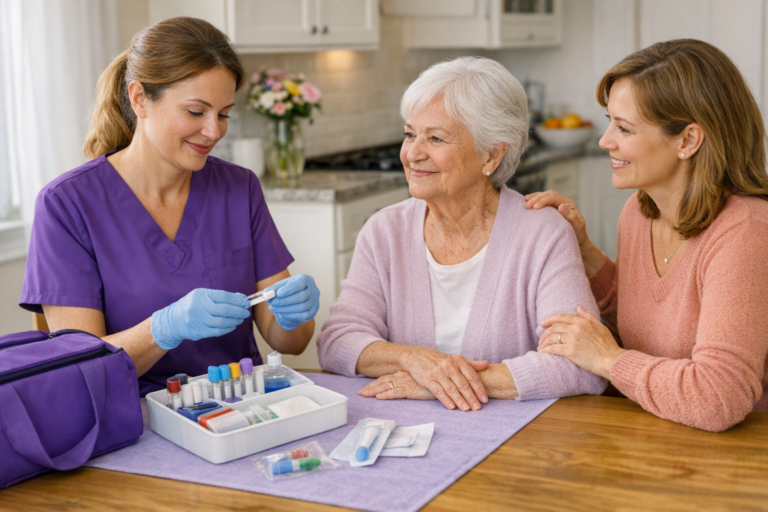
 Skilled Nursing Care
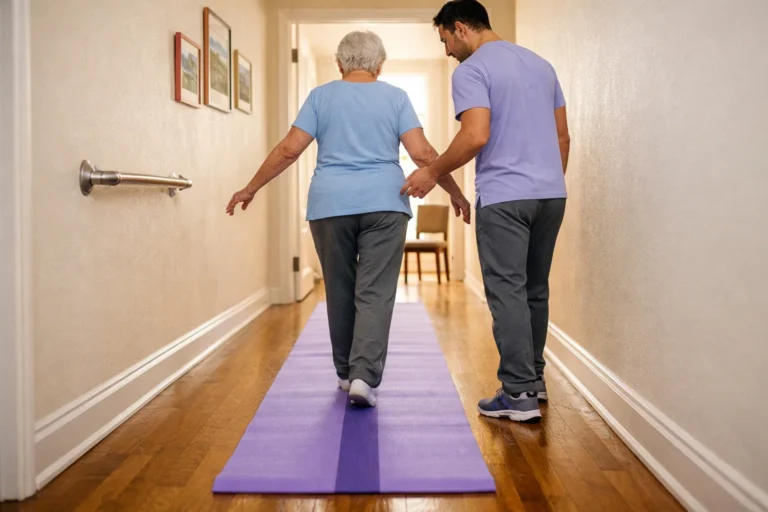
 Physical Therapy
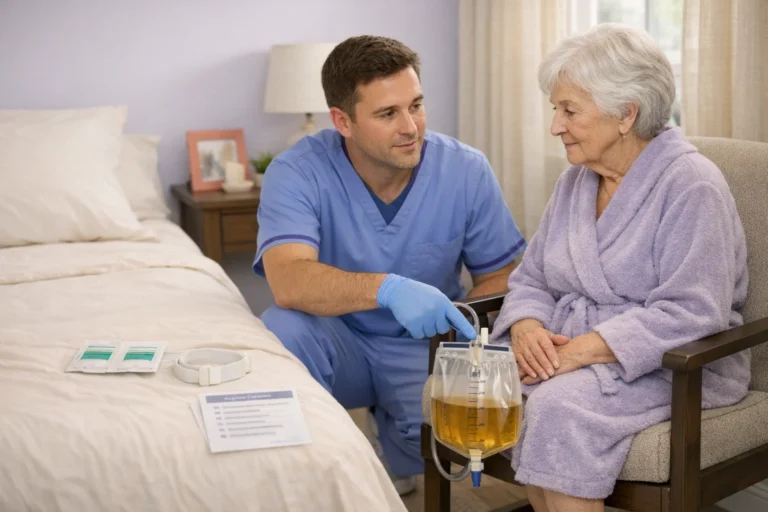
 Occupational Therapy

When Wounds Refuse to Close
You have been caring for a wound for weeks, maybe months, and it simply will not heal. The frustration is real. You change dressings, keep it clean, and do everything you think you should, yet the wound remains stubbornly open. You are not imagining things, and you are not alone.
Approximately 6.7 million Americans suffer from chronic wounds that fail to heal normally. These non-healing wounds cost the healthcare system over $25 billion annually and cause immeasurable suffering for patients and families.
Understanding why wounds stop healing is the first step toward getting them to close. Here are seven common reasons your wound may not be healing and what you can do about each one.
1. Poor Blood Circulation
Blood delivers oxygen, nutrients, and immune cells that wounds need to heal. When circulation is compromised, wounds are starved of these essential healing components.
How Circulation Problems Affect Healing
Two types of circulation problems commonly impair wound healing:
Arterial Insufficiency
Narrowed or blocked arteries reduce blood flow to tissues. Wounds on feet and lower legs are particularly affected. Without adequate arterial blood supply, tissues cannot receive the oxygen needed for cellular repair.
Venous Insufficiency
Damaged vein valves allow blood to pool in the legs, increasing pressure and causing fluid to leak into tissues. This creates swelling that impairs healing and can lead to venous leg ulcers that require specialized treatment.
Signs of Circulation Problems
Warning signs include cold feet or legs, skin color changes such as pale, blue, or darkened skin, hair loss on legs and feet, weak or absent pulses in feet, leg pain when walking that improves with rest, and chronic swelling in the lower legs.
What You Can Do
If you suspect circulation problems, see a vascular specialist for evaluation. Treatments may include medications, compression therapy for venous issues, or procedures to improve blood flow. Professional wound care can work alongside vascular treatment to optimize healing conditions.
2. Uncontrolled Diabetes
Diabetes is one of the most significant risk factors for non-healing wounds. High blood sugar creates a cascade of problems that directly impair the healing process.
How Diabetes Impairs Healing
Elevated glucose levels damage blood vessels, reducing circulation to wound sites. Diabetes impairs white blood cell function, weakening the immune response. Neuropathy reduces sensation, so injuries go unnoticed and untreated. Collagen production decreases, slowing tissue rebuilding. Infection risk increases significantly.
Diabetic Foot Ulcers
People with diabetes face particular risk for foot wounds. An estimated 15 to 25 percent of diabetics will develop a foot ulcer during their lifetime. These wounds require specialized diabetic wound care that addresses both the wound and underlying metabolic factors.
What You Can Do
Achieving and maintaining good blood sugar control is essential. Work with your healthcare team to optimize your diabetes management. Monitor your hemoglobin A1C levels. Check your feet daily for any wounds or changes. Seek immediate professional care for any diabetic wound, no matter how small.
3. Infection
Wound infection is both a cause and consequence of delayed healing. Bacteria in a wound trigger inflammatory responses that, if prolonged, prevent progression to the rebuilding phase of healing.
How Infection Stalls Healing
All wounds contain some bacteria. Problems occur when bacterial levels become too high (bioburden) or when particularly harmful organisms are present. The body diverts resources to fighting infection rather than building new tissue. Bacterial toxins directly damage healing tissue. Biofilms, protective bacterial communities, form on chronic wounds and resist treatment.
Signs of Wound Infection
Watch for increasing pain or tenderness, expanding redness around the wound, warmth at the wound site, swelling that worsens, cloudy, yellow, or green drainage, foul odor, fever or chills, and red streaks extending from the wound.
What You Can Do
If you suspect infection, seek professional evaluation promptly. Infected wounds may need cultures to identify the specific bacteria, appropriate antibiotics, professional debridement to remove infected tissue, and specialized antimicrobial dressings. A wound care nurse at home can assess for infection, provide appropriate treatment, and monitor your response to therapy.
4. Dead Tissue in the Wound
Necrotic (dead) tissue in a wound bed creates a physical barrier to healing and provides a breeding ground for bacteria.
Types of Dead Tissue
Dead tissue appears in different forms:
Slough
Yellow or cream-colored soft tissue that may be stringy or adherent to the wound bed.
Eschar
Black or brown hard, leathery tissue that forms a dry crust over the wound.
Why Dead Tissue Prevents Healing
New tissue cannot grow over dead tissue. The body must clear necrotic material before healing can progress. However, some wounds cannot clear dead tissue naturally, requiring professional intervention.
What You Can Do
Dead tissue removal, called debridement, is a core component of professional chronic wound care. Debridement methods include sharp debridement using surgical instruments, enzymatic debridement using prescription products, autolytic debridement using specialized dressings, and mechanical debridement using various techniques. Do not attempt to remove dead tissue yourself. Professional wound dressing changes at home can incorporate appropriate debridement and dressings that support the body’s natural tissue clearing.
5. Nutritional Deficiencies
Wound healing demands significant nutritional resources. When the body lacks essential nutrients, it cannot build new tissue effectively.
Critical Nutrients for Healing
Protein
Protein provides amino acids for collagen synthesis, immune function, and tissue building. Wound healing can increase protein needs by 50 percent or more.
Vitamin C
Essential for collagen formation and immune function. Deficiency causes weak, fragile tissue.
Zinc
Required for cell division, protein synthesis, and immune function. Even mild deficiency impairs healing.
Vitamin A
Supports epithelialization (skin regrowth) and immune function.
Calories
The body needs adequate energy to fuel the demanding healing process.
Who Is at Risk
Nutritional deficiencies affecting wound healing are common in elderly patients with poor appetite, those with chronic illness affecting nutrient absorption, people following restrictive diets, patients with increased metabolic demands from large wounds, and those with conditions causing protein loss.
What You Can Do
Focus on protein-rich foods at every meal. Consider nutritional supplements if dietary intake is inadequate. Stay well hydrated. Ask your healthcare provider about checking nutrient levels if wounds are not healing. Skilled nursing care can include nutritional assessment and guidance as part of comprehensive wound management.
6. Repeated Trauma or Pressure
Wounds cannot heal if they keep getting reinjured. Repeated trauma, pressure, or friction interrupts the healing process and can make wounds larger.
Common Sources of Repeated Trauma
Pressure
Sustained pressure cuts off blood supply, causing tissue death. Bedridden or wheelchair patients develop pressure ulcers without proper positioning and pressure relief.
Friction and Shear
Skin rubbing against surfaces or layers of tissue moving against each other damages healing tissue.
Weight Bearing
Walking on foot wounds prevents healing. Diabetic foot ulcers often fail to heal because patients continue walking on them.
Poorly Fitting Footwear
Shoes that rub or create pressure points cause ongoing damage to vulnerable feet.
What You Can Do
Identify and eliminate sources of trauma. For pressure ulcers, implement proper repositioning schedules and pressure-redistributing surfaces. For foot wounds, offloading devices remove weight from the wound. Stop activities that stress the wound until it heals. Physical therapy can help with mobility strategies that protect healing wounds while maintaining function.
7. Underlying Medical Conditions
Various medical conditions impair wound healing through different mechanisms. Treating the underlying condition is often essential for wound healing to progress.
Conditions Affecting Wound Healing
Autoimmune Diseases
Conditions like rheumatoid arthritis, lupus, and vasculitis can directly affect tissue healing and may cause wounds themselves.
Kidney Disease
Impairs nutrition, causes edema, and affects the body’s ability to fight infection.
Heart Failure
Causes edema that impairs healing, particularly in the legs. Reduced cardiac output decreases tissue perfusion.
Cancer and Cancer Treatment
Both the disease and treatments like chemotherapy and radiation impair healing.
Medications
Steroids, immunosuppressants, and some other medications slow wound healing.
What You Can Do
Work with your healthcare team to optimize management of underlying conditions. Inform wound care providers about all medical conditions and medications. Do not stop prescribed medications without physician guidance, but discuss whether adjustments might support better healing.
When to Seek Professional Wound Care
If your wound has not shown significant improvement in two to four weeks, professional evaluation is warranted. Do not wait months hoping the wound will eventually close on its own.
Signs You Need Professional Help
Seek professional wound care if the wound is getting larger instead of smaller, there is any sign of infection, you have diabetes and any foot wound, the wound has been present for more than four weeks, you have multiple risk factors for poor healing, or home treatment is not producing results.
What Professional Wound Care Offers
Professional wound care services provide comprehensive assessment to identify all factors preventing healing, evidence-based treatment protocols, appropriate debridement and advanced dressings, management of infection, wound vac therapy for appropriate wounds, coordination with specialists for underlying conditions, and ongoing monitoring and treatment adjustment.
Getting Your Wound to Heal
Non-healing wounds are not hopeless situations. They are wounds that need more than basic care to close. Identifying and addressing the specific factors preventing your wound from healing creates conditions where healing can finally occur.
If you have a wound that will not heal, stop waiting and start getting answers. Professional assessment identifies what is blocking healing. Targeted treatment addresses those barriers. Most chronic wounds can heal with appropriate care.
Home health wound care nursing brings professional wound management to you, combining expert assessment, evidence-based treatment, and ongoing monitoring to help chronic wounds finally close. Contact your healthcare provider about a referral if your wound is not healing as expected.