
 Wound Care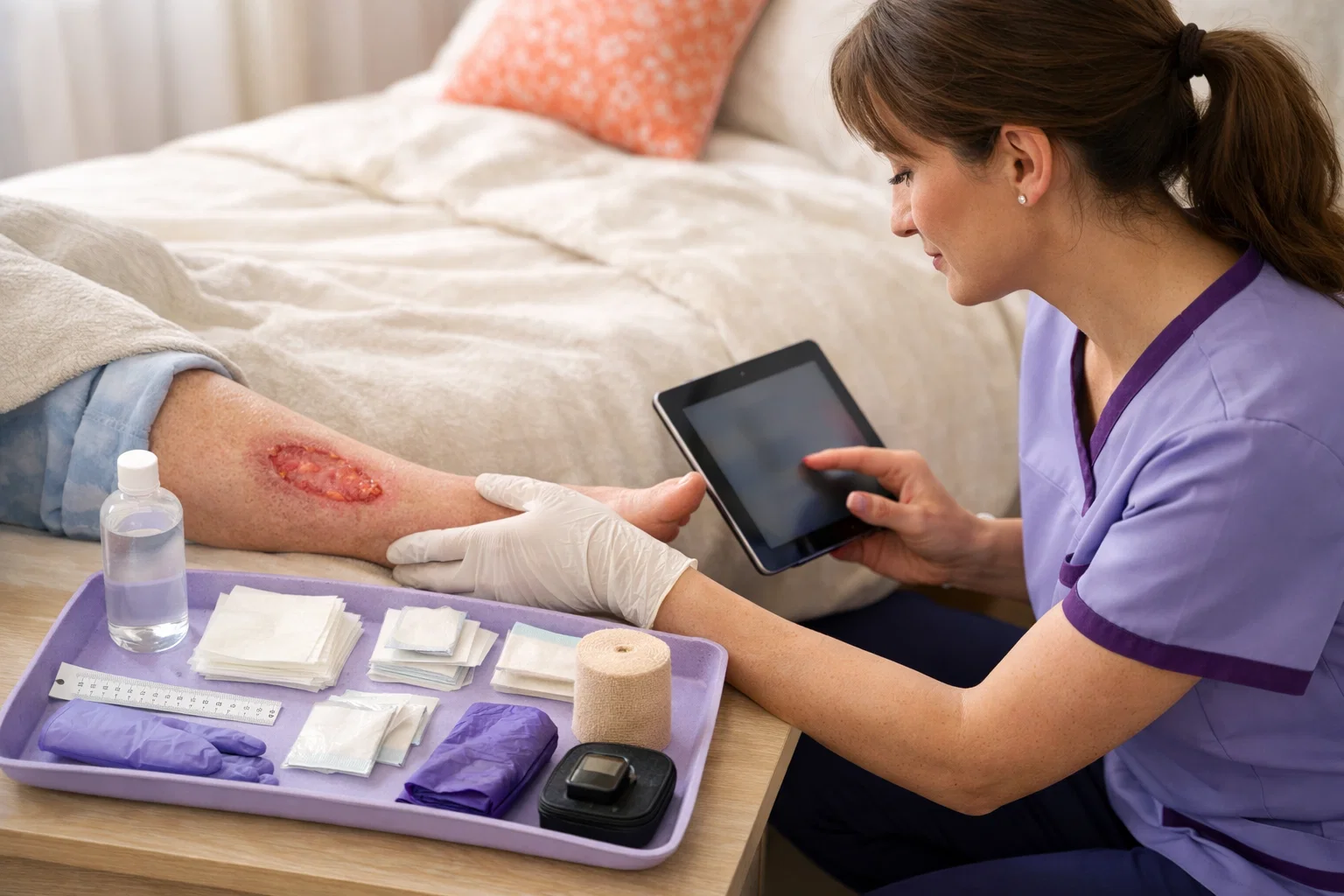

The Wound Care Specialist You May Not Know About
When wounds will not heal, most people think about seeing their doctor or maybe going to a wound care center. But there is another option that brings expert wound care directly to your home: the wound care nurse.
Wound care nurses are specialized clinicians who focus specifically on preventing and treating complex wounds. They possess advanced knowledge about wound healing, dressing selection, infection management, and the many factors that influence whether a wound heals or stalls.
Understanding what wound care nurses do and when their expertise is needed helps you access this valuable resource for yourself or a loved one with a challenging wound.
Who Are Wound Care Nurses?
Wound care nurses are registered nurses with specialized training in wound prevention, assessment, and treatment.
Education and Credentials
Most wound care nurses have completed advanced education beyond basic nursing training. Many hold certifications that demonstrate their expertise:
CWON/CWCN
Certified Wound Ostomy Nurse or Certified Wound Care Nurse credentials from the Wound, Ostomy and Continence Nursing Certification Board indicate extensive training and demonstrated competency.
CWS
Certified Wound Specialist credential from the American Board of Wound Management.
Additional Training
Many wound care nurses have completed specialty wound care education programs and maintain ongoing education to stay current with advancing wound care science.
Specialized Knowledge
Wound care nurses understand wound physiology and healing processes, wound assessment techniques, dressing types and appropriate selection, debridement methods, compression therapy, negative pressure wound therapy, infection identification and management, and the impact of underlying conditions on healing.
What Does a Wound Care Nurse Actually Do?
Wound care nursing encompasses comprehensive assessment and treatment of complex wounds.
Wound Assessment
Thorough assessment forms the foundation of effective wound care. A wound care nurse evaluates wound size, depth, and location, tissue types present in the wound bed, wound edges and surrounding skin, drainage amount, color, and odor, signs of infection, pain levels, and factors affecting healing such as circulation, nutrition, and underlying conditions.
This assessment is documented carefully, creating a baseline for measuring progress and guiding treatment decisions.
Treatment Planning
Based on assessment findings, the wound care nurse develops an individualized treatment plan addressing wound bed preparation and optimization, appropriate dressing selection, debridement needs, infection management, underlying factors affecting healing, patient and caregiver education, and coordination with physicians and specialists.
Wound Treatment
Wound care nurses provide hands-on treatment including wound cleansing, debridement to remove dead tissue, application of appropriate dressings, compression therapy for venous wounds, wound vac therapy management, and other advanced wound care modalities.
Dressing Selection
Modern wound care involves dozens of dressing types, each suited for specific wound characteristics. Wound care nurses select from foams, alginates, hydrogels, and hydrocolloids, antimicrobial dressings, collagen and biological dressings, composite and multi-layer systems, compression wraps and bandages, and specialty dressings for specific wound types.
Choosing the right dressing for each wound and each phase of healing optimizes healing conditions.
Monitoring Progress
Wounds should improve over time with appropriate treatment. Wound care nurses track healing progress through regular measurement and documentation, photograph comparison, assessment of tissue changes, and evaluation of treatment effectiveness.
When healing stalls or wounds worsen, treatment plans are adjusted. Early identification of problems prevents complications.
Patient and Family Education
Teaching patients and caregivers about wound care extends treatment benefits between professional visits. Education covers daily wound care techniques, dressing change procedures, warning signs requiring attention, nutrition for healing, and activity and lifestyle considerations.
Care Coordination
Complex wounds often require coordination among multiple providers. Wound care nurses communicate with primary care physicians, specialists such as vascular surgeons and endocrinologists, home health therapy services, and medical equipment providers.
This coordination ensures unified treatment approaches and timely specialist referrals when needed.
Types of Wounds Wound Care Nurses Treat
Wound care nurses manage the full spectrum of complex and chronic wounds.
Chronic Wounds
Chronic wounds are those that fail to progress through normal healing stages in an expected timeframe. Types include diabetic foot ulcers, venous leg ulcers, arterial ulcers, and pressure ulcers.
These wounds require specialized treatment addressing underlying causes along with wound bed management.
Diabetic Wounds
Diabetic wound care addresses the unique challenges of wounds in patients with diabetes. Neuropathy, circulation problems, and immune impairment all affect healing and require specific management strategies.
Pressure Ulcers
Pressure ulcer care combines wound treatment with prevention strategies. Managing pressure, friction, and shear while optimizing wound healing requires specialized knowledge.
Venous Ulcers
Venous leg ulcer treatment requires compression therapy alongside wound care. Wound care nurses skilled in compression bandaging provide this essential combined treatment.
Surgical Wounds
When surgical wounds develop complications or heal by secondary intention, wound care nursing expertise optimizes outcomes. Post-surgical wound care monitors for problems and manages them when they occur.
Traumatic Wounds
Complex wounds from injuries, burns, or accidents may require ongoing professional management as they heal.
When Do You Need a Wound Care Nurse?
Not every wound requires specialized nursing care. Knowing when to seek wound care nursing helps you access appropriate resources.
Signs You Need a Wound Care Nurse
Consider wound care nursing if your wound has not improved significantly in 2 to 4 weeks, your wound is getting larger rather than smaller, you have diabetes and any wound on your feet or legs, your wound shows signs of infection, you have a pressure ulcer at any stage, you have a venous or arterial leg ulcer, your surgical wound has opened or is not healing normally, you need complex wound treatments like wound vac therapy, you or your caregiver struggle with wound care techniques, or your wound causes significant pain or affects quality of life.
Who Benefits Most
Wound care nursing is particularly valuable for patients with diabetes and foot wounds, those with circulation problems, elderly patients with fragile skin, patients with multiple chronic conditions, those recovering from surgery with wound complications, patients with recurring wounds, and caregivers who need education and support.
Home Health Wound Care Nursing
Professional wound care nursing is available in the home setting through home health services.
Benefits of Home-Based Wound Care
Receiving wound care at home offers significant advantages.
Convenience
No need to travel to appointments, especially valuable for patients with mobility limitations or transportation challenges.
Real Environment
Nurses see and address factors in your actual living environment that affect wounds and healing.
Infection Reduction
Avoiding healthcare facilities reduces exposure to resistant bacteria that can complicate wound healing.
Family Involvement
Caregivers can observe and learn from professional wound care in the actual home setting.
Comfort
Receiving care at home is more comfortable and less stressful for many patients.
What Home Health Wound Care Includes
Home health wound care provides comprehensive wound assessment and documentation, evidence-based wound treatment, appropriate dressing changes, debridement when indicated, compression therapy for appropriate wounds, wound vac management, infection monitoring and treatment coordination, patient and caregiver education, physician communication and care coordination, and ongoing monitoring of healing progress.
Accessing Home Health Wound Care
Home health wound care requires a physician order. If you have a wound that needs professional care, ask your doctor about a home health referral. If you are being discharged from a hospital with wound care needs, post-hospital discharge nursing can provide continuity of wound management.
Beyond Wound Care: Related Nursing Services
Wound care nurses often work alongside other home health services for comprehensive care.
Skilled Nursing
Skilled nursing addresses overall health management including medications, disease monitoring, and care coordination.
Ostomy Care
Many wound care nurses also specialize in ostomy care, managing stomas and preventing ostomy-related skin problems.
Catheter and Line Care
Wound care nurses may also manage catheters and PICC lines, which require careful attention to prevent complications.
Therapy Services
Physical therapy and occupational therapy address mobility and function that affect wound healing and prevention.
Questions to Ask a Wound Care Nurse
When you begin wound care nursing services, consider asking about the nurse’s wound care experience and credentials, their assessment of your wound and healing potential, the treatment plan and what to expect, how progress will be measured, what you and your caregiver should do between visits, warning signs that should prompt you to call, how often visits will occur, and how long treatment might take.
Getting Started with Wound Care Nursing
If you have a wound that is not healing or needs professional management, wound care nursing can make a significant difference. Expert assessment identifies barriers to healing. Evidence-based treatment optimizes wound conditions. Professional monitoring catches problems early.
Talk with your healthcare provider about whether wound care nursing is appropriate for your situation. For many patients with complex or chronic wounds, this specialized expertise is the key to finally getting wounds to heal.
