
 Wound Care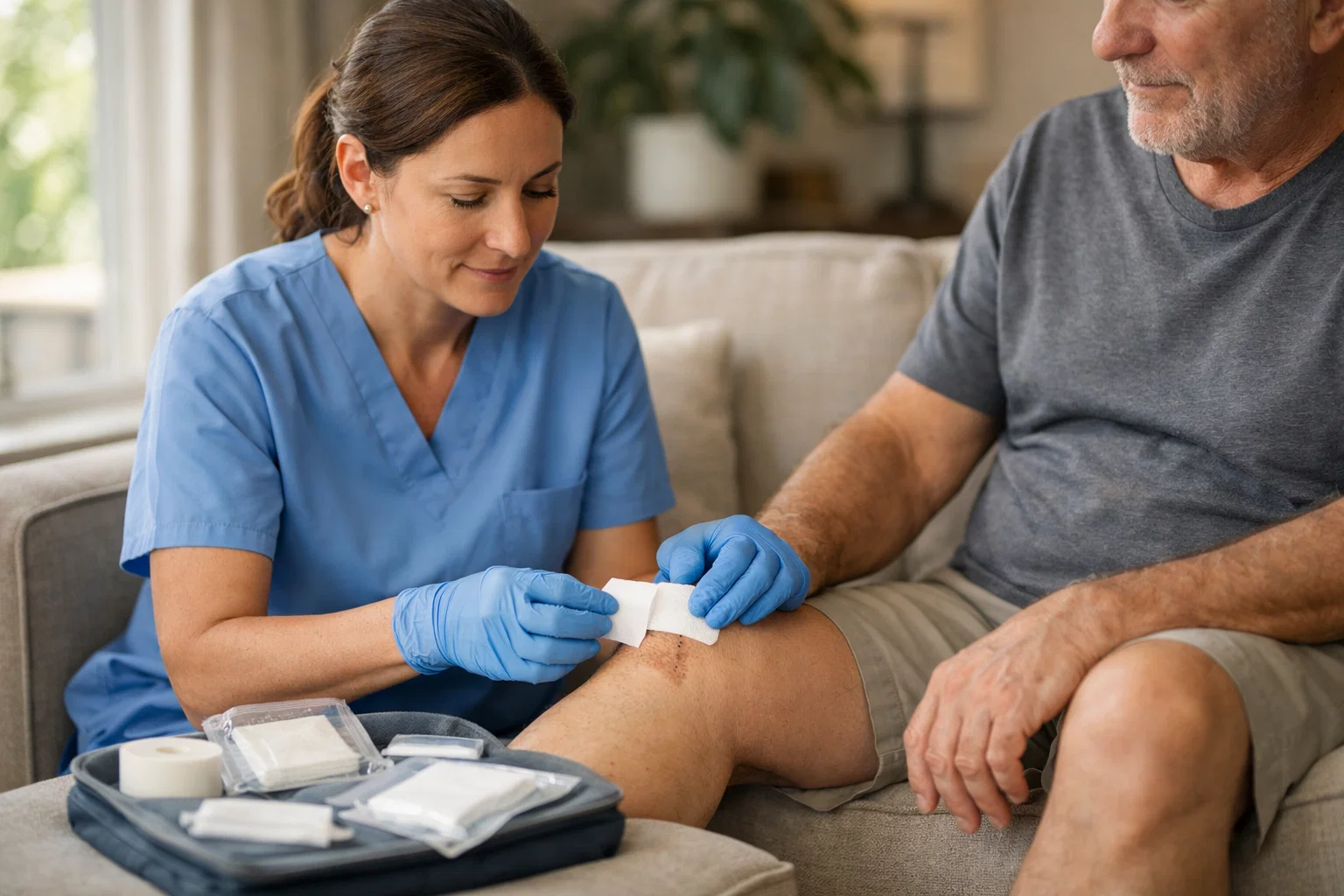

Why Hospital Readmissions Are a Growing Concern
Hospital readmissions within 30 days of discharge have become one of the most pressing challenges in modern healthcare. Nearly 1 in 5 Medicare patients find themselves back in the hospital shortly after being sent home, and wound-related complications rank among the leading causes of these preventable returns.
For seniors recovering from surgery or managing chronic wounds, the transition from hospital to home represents a particularly vulnerable period. Without proper professional support during this critical time, minor issues can quickly escalate into serious complications requiring emergency intervention.
The financial and emotional toll of hospital readmissions extends far beyond the patient. Families face unexpected caregiving demands, healthcare systems strain under preventable costs, and patients experience setbacks in their recovery journey that can take weeks or months to overcome.
Understanding the Wound Care Gap After Discharge
When patients leave the hospital with wounds requiring ongoing care, they often receive discharge instructions that seem straightforward in the clinical setting. However, the reality of managing complex wounds at home presents challenges that many families are unprepared to handle.
Common Challenges Patients Face at Home
The gap between hospital care and home recovery creates numerous obstacles for patients and their caregivers. Understanding these challenges helps explain why professional intervention makes such a significant difference in outcomes.
- Difficulty recognizing early warning signs of infection or complications
- Uncertainty about proper wound cleaning and dressing techniques
- Limited access to appropriate wound care supplies
- Inability to reach or see wounds located on the back, feet, or other areas
- Confusion about when to contact healthcare providers versus when to go to the emergency room
- Lack of understanding about how nutrition, hydration, and activity levels affect healing
- Medication management challenges, especially with antibiotics or pain management
Why Family Caregivers Need Support
Family members stepping into caregiving roles often do so with little preparation or training. While their dedication and love for the patient is invaluable, wound care requires specialized knowledge and skills that most people simply do not possess.
Even seemingly simple tasks like changing a dressing can become sources of anxiety and potential error. Caregivers may inadvertently introduce bacteria, fail to notice subtle changes in the wound, or apply dressings incorrectly in ways that impede healing.
How Professional Wound Care Makes a Difference
Certified wound care nurses bring hospital-level expertise directly to patients’ homes, bridging the gap between discharge and full recovery. Their specialized training enables them to provide care that significantly reduces the risk of complications and readmissions.
Professional wound care services encompass far more than simply changing bandages. These skilled clinicians perform comprehensive assessments, implement evidence-based treatment protocols, and serve as the critical link between patients and their physicians.
Comprehensive Wound Assessment
During each visit, wound care nurses conduct thorough evaluations that go well beyond what patients or family caregivers can perform. These assessments include measuring wound dimensions, evaluating tissue characteristics, assessing drainage and odor, and checking surrounding skin integrity.
Documentation of these findings creates a detailed record of healing progress over time. This information proves invaluable for tracking trends, identifying problems early, and communicating with the patient’s medical team about treatment effectiveness.
Evidence-Based Treatment Protocols
Wound care has evolved dramatically in recent years, with new dressings, treatments, and approaches emerging from ongoing research. Professional wound care nurses stay current with these developments and apply the most effective treatments for each wound type.
Different wounds require different approaches. A diabetic foot ulcer demands different care than a surgical incision or a pressure injury. Professionals understand these distinctions and tailor their treatment plans accordingly, selecting appropriate dressings, cleansing solutions, and adjunctive therapies.
Early Problem Detection
Perhaps the most valuable aspect of professional wound care is the ability to identify problems before they become emergencies. Trained clinicians recognize subtle signs of infection, tissue breakdown, or healing failure that would likely go unnoticed by untrained observers.
When issues are caught early, interventions can often be implemented at home through adjustments to the treatment plan, communication with physicians, or prescription changes. This proactive approach prevents the progression to serious complications requiring hospitalization.
The Connection Between Wound Care and Readmission Rates
Research consistently demonstrates that patients receiving professional home health wound care experience significantly fewer complications and hospital readmissions. The evidence supporting this connection continues to grow as healthcare systems increasingly recognize the value of home-based care.
Key Factors Reducing Readmissions
Several specific elements of professional wound care contribute to lower readmission rates. Understanding these factors helps explain why home health services are so effective at keeping patients out of the hospital.
- Regular monitoring allows early intervention before complications escalate
- Proper technique reduces infection risk and promotes optimal healing
- Patient and caregiver education improves care between nursing visits
- Coordination with physicians ensures timely treatment adjustments
- Professional documentation tracks healing progress and identifies concerning trends
- Access to specialized supplies and equipment not readily available to consumers
High-Risk Patient Populations
Certain patient groups benefit especially from professional wound care services due to their elevated risk of complications. For these individuals, the investment in home health care pays dividends through avoided hospitalizations and improved outcomes.
Diabetic Patients
Diabetes affects wound healing in multiple ways, from impaired circulation to reduced immune function. Diabetic foot ulcers are particularly dangerous, with infection risk remaining high throughout the healing process. Professional monitoring of these wounds can mean the difference between successful healing and amputation.
Post-Surgical Patients
Surgical wounds, especially those involving the abdomen, joints, or areas with limited blood supply, require careful monitoring during the critical weeks following procedures. Wound dehiscence, surgical site infections, and other complications can be caught early through professional assessment.
Patients with Vascular Disease
Compromised circulation significantly impairs the body’s ability to heal wounds and fight infection. Patients with peripheral artery disease, venous insufficiency, or other vascular conditions need professional oversight to navigate the complex healing process.
Immunocompromised Individuals
Patients undergoing chemotherapy, taking immunosuppressive medications, or living with conditions affecting immune function face elevated infection risk. Professional wound care provides the vigilant monitoring these vulnerable patients require.
Benefits Beyond Medical Care
While the clinical aspects of professional wound care drive improved outcomes, the benefits extend into areas that significantly impact quality of life for patients and families. These additional advantages contribute to the overall value of home health services.
Patient and Caregiver Education
Professional wound care visits provide ongoing opportunities for education. Nurses teach patients and family members about proper nutrition to support healing, activity modifications to protect wounds, warning signs requiring immediate attention, and techniques for care between visits.
This knowledge transfer empowers families to participate meaningfully in the healing process while understanding their limitations. Educated caregivers make better decisions about when to handle issues themselves and when to seek professional help.
Emotional Support and Reassurance
Living with a wound that requires ongoing care creates anxiety for patients and families. Regular visits from a knowledgeable professional provide reassurance that healing is progressing appropriately and that someone with expertise is monitoring the situation.
This peace of mind has real health implications. Reduced stress supports immune function and healing, while confidence in the care plan improves adherence to treatment recommendations.
Care Coordination
Medicare-certified home health agencies coordinate care with physicians, specialists, and other healthcare providers. This communication ensures that everyone involved in the patient’s care remains aligned on treatment goals and approaches.
When wound care nurses identify concerns, they can communicate directly with physicians to obtain orders for treatment changes, additional testing, or specialist consultations. This streamlined process prevents delays that could allow problems to worsen.
What to Expect from Professional Wound Care Services
Understanding what professional wound care involves helps patients and families prepare for and maximize the benefits of home health services. The process typically begins with a referral and assessment, followed by regular visits tailored to individual needs.
Initial Assessment
The first visit involves a comprehensive evaluation of the wound, the patient’s overall health status, living situation, and support system. The wound care nurse develops a plan of care based on this assessment, in consultation with the patient’s physician.
Regular Treatment Visits
Visit frequency depends on wound severity and healing progress. Some patients require daily visits initially, while others may need care two or three times per week. As wounds heal, visit frequency typically decreases.
During each visit, the nurse assesses the wound, performs necessary treatments, changes dressings, and documents findings. They also review the patient’s overall condition, medication compliance, and any concerns raised by the patient or caregivers.
Ongoing Communication
Between visits, wound care nurses remain available to answer questions and address concerns. They communicate regularly with physicians about patient progress and any needed changes to the treatment plan.
When to Consider Professional Wound Care
Recognizing when professional wound care services would benefit you or a loved one is the first step toward better outcomes. Several situations indicate that home health wound care should be considered.
Post-Hospital Discharge
If you or a family member is being discharged from the hospital with a wound requiring ongoing care, ask the discharge planner about home health services before leaving. Starting professional care immediately after discharge helps ensure continuity and prevents complications during the vulnerable transition period.
Chronic Wounds Not Healing
Wounds that fail to show improvement after two to four weeks of home care may benefit from professional intervention. Chronic wounds often require specialized treatments and approaches that differ from standard wound care.
High-Risk Conditions
Patients with diabetes, vascular disease, compromised immune systems, or other conditions affecting wound healing should consider professional care even for wounds that might otherwise seem minor. The elevated complication risk in these populations justifies the additional oversight.
Complex Wounds
Some wounds are simply too complex for home management without professional support. Large wounds, wounds in difficult locations, wounds requiring specialized dressings or equipment, and wounds with complications all benefit from skilled nursing care.
Taking the Next Step
If you believe professional wound care could benefit you or a loved one, the process of accessing services is straightforward. Your physician can provide a referral to a Medicare-certified home health agency, or you can contact an agency directly to discuss your situation.
Many patients worry about the cost of home health services, but Medicare covers wound care when ordered by a physician and provided by a certified agency. Other insurance plans typically offer similar coverage, making professional wound care accessible to most patients who need it.
The investment in professional wound care pays dividends through faster healing, fewer complications, and avoided hospitalizations. For patients and families navigating the challenges of wound management at home, skilled nursing support can make all the difference in achieving successful outcomes.
