 Wound Care
 Skilled Nursing Care
 Physical Therapy
 Occupational Therapy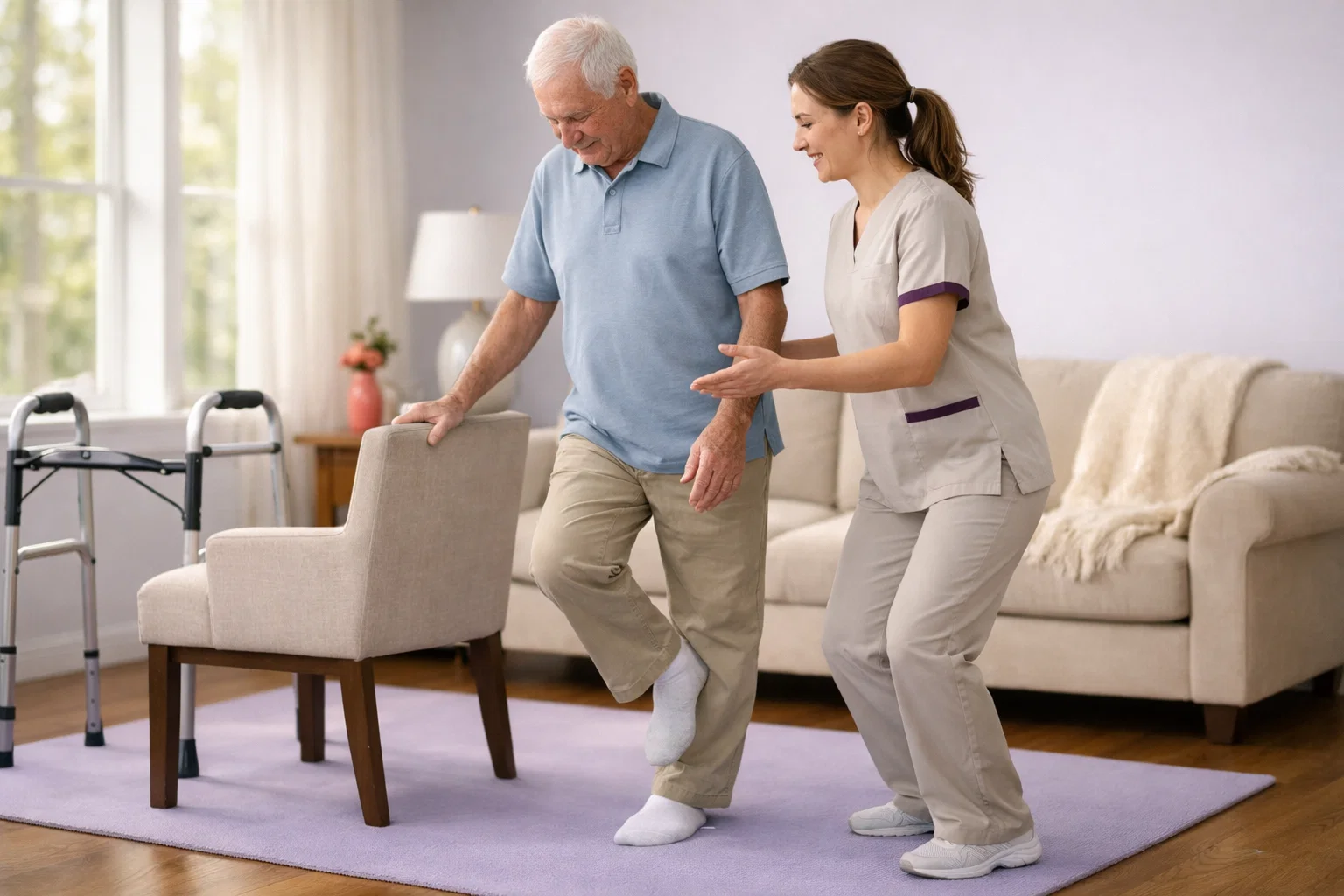

The Growing Concern of Falls Among Older Adults
Falls represent one of the most serious health threats facing seniors today. Every year, millions of older adults experience falls that result in injuries ranging from minor bruises to life-threatening fractures and head trauma. For many, a single fall marks the beginning of a decline in independence, confidence, and overall quality of life.
The statistics paint a sobering picture. One in four Americans aged 65 and older falls each year, and falls are the leading cause of both fatal and non-fatal injuries among this population. Hip fractures, traumatic brain injuries, and other fall-related complications result in emergency room visits, hospitalizations, surgeries, and long-term care needs that devastate individuals and families.
Yet falls are not an inevitable part of aging. Research demonstrates that targeted interventions, particularly physical therapy, can significantly reduce fall risk and help seniors maintain the mobility and confidence needed to live independently. Understanding how physical therapy addresses fall risk empowers older adults and their families to take proactive steps toward prevention.
Why Seniors Are at Increased Fall Risk
Multiple factors contribute to elevated fall risk as people age. These factors often interact and compound each other, creating situations where falls become increasingly likely without intervention.
Physical Changes Associated with Aging
The aging process brings changes to virtually every body system involved in maintaining balance and preventing falls.
Muscle Strength Decline
Sarcopenia, the age-related loss of muscle mass and strength, affects all older adults to varying degrees. Leg muscles essential for standing, walking, and recovering from stumbles weaken progressively without targeted exercise. This weakness makes it harder to navigate uneven surfaces, climb stairs, and catch oneself when balance is disrupted.
Balance System Changes
The vestibular system in the inner ear, which provides critical balance information to the brain, becomes less sensitive with age. Visual changes affect depth perception and the ability to detect environmental hazards. Sensory receptors in the feet and joints that provide position awareness become less acute. These combined changes impair the body ability to detect and respond to balance challenges.
Flexibility and Range of Motion
Joints become stiffer and less flexible over time, limiting the range of motion available for normal movement and balance reactions. Tight hip flexors, ankle stiffness, and reduced spinal mobility all contribute to altered gait patterns and diminished ability to recover from unexpected perturbations.
Reaction Time Slowing
The speed at which the nervous system processes information and initiates responses decreases with age. When balance is challenged, slower reaction times mean the body cannot execute corrective movements as quickly, increasing the likelihood that a stumble becomes a fall.
Medical Conditions Affecting Balance
Many health conditions common among older adults directly or indirectly increase fall risk.
- Arthritis causing pain, stiffness, and altered movement patterns
- Diabetes affecting sensation in the feet and overall health
- Heart disease leading to dizziness, weakness, and exercise intolerance
- Stroke resulting in weakness, balance deficits, and coordination problems
- Parkinson disease causing tremors, rigidity, and postural instability
- Dementia impairing judgment, attention, and safety awareness
- Vision problems including cataracts, glaucoma, and macular degeneration
- Inner ear disorders directly affecting the vestibular balance system
Medication Effects
Many medications commonly prescribed to older adults carry side effects that increase fall risk. Sedatives, blood pressure medications, antidepressants, and pain medications can cause dizziness, drowsiness, and impaired coordination. Seniors taking multiple medications face compounded risks from drug interactions affecting balance and alertness.
Environmental Hazards
Home environments often contain hazards that pose greater threats to seniors with age-related physical changes. Loose rugs, poor lighting, cluttered pathways, slippery floors, and lack of grab bars create dangerous conditions that younger adults might navigate without incident but that cause falls in older individuals with compromised balance and reaction time.
How Physical Therapy Addresses Fall Risk
Physical therapy provides a comprehensive, evidence-based approach to fall prevention that addresses multiple risk factors simultaneously. Rather than offering generic exercise advice, physical therapists conduct thorough assessments and develop individualized programs targeting each patient specific deficits and goals.
Comprehensive Fall Risk Assessment
Effective fall prevention begins with understanding why a particular individual is at risk. Physical therapists use standardized tests and clinical observations to evaluate multiple factors contributing to fall risk.
Balance Testing
Therapists administer validated balance assessments that measure static balance, dynamic balance, and reactive balance capabilities. Tests like the Berg Balance Scale, Timed Up and Go, and Functional Reach provide objective measurements that identify deficits and track improvement over time.
Strength Evaluation
Assessment of lower extremity strength reveals weakness in specific muscle groups affecting mobility and balance. Therapists evaluate hip, knee, and ankle strength to identify targets for strengthening exercises.
Gait Analysis
Careful observation of walking patterns reveals abnormalities that increase fall risk. Therapists assess stride length, walking speed, foot clearance, arm swing, and overall coordination to identify gait deficits requiring intervention.
Sensory Assessment
Testing of vision, vestibular function, and proprioception identifies sensory deficits affecting balance. Understanding which sensory systems are impaired guides treatment strategies that compensate for these limitations.
Functional Mobility Assessment
Therapists evaluate how patients perform real-world activities including transfers, stair climbing, reaching, and navigating obstacles. These functional assessments reveal practical limitations affecting safety in daily life.
Targeted Strength Training
Building strength in key muscle groups provides the foundation for improved balance and fall prevention. Physical therapists design progressive strengthening programs that safely challenge muscles while respecting individual limitations and medical conditions.
Lower Extremity Focus
Strengthening exercises target the quadriceps, hamstrings, hip abductors, hip extensors, and calf muscles essential for standing, walking, and stair climbing. Stronger legs provide better support during daily activities and greater ability to recover from balance disturbances.
Core Strengthening
The trunk muscles connecting the upper and lower body play crucial roles in balance and postural control. Core strengthening exercises improve stability during movement and help maintain upright posture that reduces fall risk.
Progressive Resistance
Therapists gradually increase exercise difficulty as patients gain strength, ensuring continued improvement without risking injury. This progressive approach builds meaningful strength gains that translate to functional improvements.
Balance Training
Specific balance exercises challenge the systems responsible for maintaining equilibrium and develop the motor skills needed to prevent falls.
Static Balance Exercises
Standing exercises in progressively challenging positions improve the ability to maintain balance while stationary. Patients progress from wide stance to narrow stance to tandem stance to single leg stance as their abilities improve.
Dynamic Balance Training
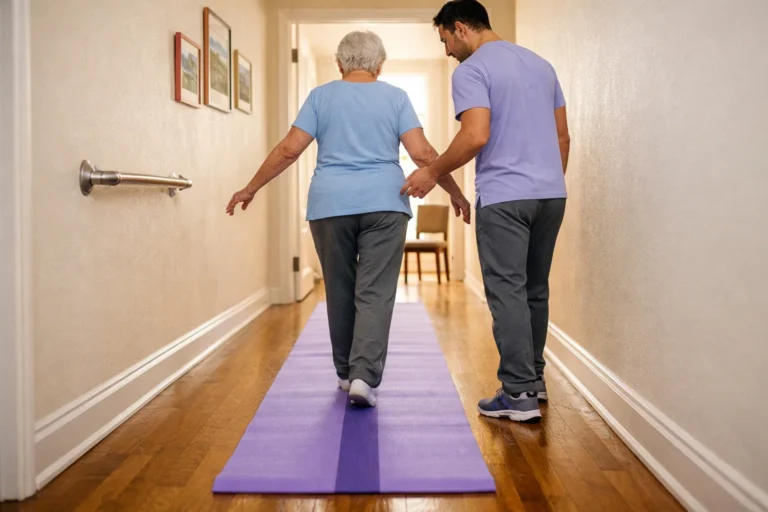
Exercises involving movement challenge balance in more functional ways. Weight shifting, stepping in multiple directions, turning, and walking with head movements all develop dynamic balance skills needed in daily life.
Perturbation Training
Controlled challenges to balance teach the body to react appropriately when unexpected disruptions occur. This reactive balance training develops the rapid responses needed to prevent falls when stumbling or bumping into obstacles.
Dual-Task Training
Practicing balance activities while simultaneously performing cognitive tasks improves the ability to maintain balance during real-world situations requiring divided attention. Walking while talking or counting challenges the brain to allocate resources effectively.
Gait Training
Improving walking patterns reduces fall risk by promoting safer, more efficient ambulation.
Gait Pattern Correction
Therapists identify and address abnormal gait components through targeted exercises and cueing strategies. Improving stride length, foot clearance, heel strike, and arm swing creates safer walking patterns.
Speed and Endurance
Building walking speed and endurance improves community mobility and reduces fatigue-related fall risk. Patients practice walking at varying speeds and for increasing distances as tolerance improves.
Varied Terrain Practice
Walking practice on different surfaces prepares patients for real-world conditions. Carpet, tile, grass, gravel, and uneven surfaces all present different challenges that therapy addresses.
Flexibility and Range of Motion
Stretching and mobility exercises address the stiffness that limits movement and impairs balance.
Lower Extremity Stretching
Regular stretching of hip flexors, hamstrings, calf muscles, and ankle joints improves flexibility needed for normal gait and balance reactions.
Spinal Mobility
Exercises promoting thoracic and lumbar mobility improve posture and the ability to rotate and bend during daily activities.
Home Safety Assessment
Physical therapists evaluate the home environment and recommend modifications to reduce environmental fall hazards.
Hazard Identification
Therapists identify specific risks including poor lighting, loose rugs, cluttered pathways, lack of grab bars, slippery surfaces, and inappropriate footwear. Each identified hazard represents an opportunity for risk reduction.
Modification Recommendations
Practical recommendations for home modifications address identified hazards. Suggestions may include installing grab bars, improving lighting, removing throw rugs, rearranging furniture, and adding non-slip surfaces in bathrooms.
Assistive Device Assessment
When appropriate, therapists recommend and train patients in the use of assistive devices such as canes, walkers, or reachers that improve safety during mobility and daily activities.
The Evidence Supporting Physical Therapy for Fall Prevention
Extensive research supports the effectiveness of physical therapy interventions in reducing falls among older adults. This evidence base provides confidence that investment in therapy produces meaningful results.
Research Findings
Studies consistently demonstrate significant reductions in fall rates among seniors participating in physical therapy programs. Meta-analyses combining results from multiple trials show that exercise-based interventions reduce fall risk by approximately 23% overall, with greater reductions achieved through programs specifically targeting balance and including sufficient intensity and duration.
Programs combining multiple components including strength training, balance exercises, and home safety modifications show particularly strong results. The multifactorial nature of fall risk responds best to comprehensive interventions addressing multiple contributing factors simultaneously.
Long-Term Benefits
Benefits of physical therapy extend beyond immediate fall reduction. Patients who complete fall prevention programs demonstrate sustained improvements in balance, strength, and confidence that persist after formal therapy ends. Many continue independent exercise programs that maintain their gains over time.
Beyond physical improvements, successful fall prevention therapy often restores confidence that had been lost due to falls or fear of falling. This renewed confidence enables greater activity participation, social engagement, and quality of life.
What to Expect from Fall Prevention Physical Therapy
Understanding the therapy process helps patients and families prepare for participation and maximize benefits from treatment.
Initial Evaluation
The first session involves comprehensive assessment of balance, strength, mobility, and fall risk factors. Therapists gather medical history, discuss fall history and concerns, and perform standardized tests to establish baseline measurements. This evaluation typically takes 45 to 60 minutes and forms the basis for treatment planning.
Individualized Treatment Plan
Based on evaluation findings, the therapist develops a customized treatment plan addressing the patient specific deficits and goals. The plan specifies exercises, activities, frequency of sessions, and expected progression. Patients receive clear explanations of how proposed interventions address their particular risk factors.
Regular Therapy Sessions
Treatment sessions typically occur one to three times weekly depending on patient needs and goals. Each session includes exercises targeting strength, balance, flexibility, and functional mobility. Therapists progress exercises as patients improve, ensuring continued challenge and advancement.
Home Exercise Program
Therapists prescribe exercises for patients to perform independently between sessions. Consistent home practice significantly enhances outcomes by providing additional training volume. Programs are designed to be safe and practical for independent performance with clear instructions and appropriate progressions.
Progress Monitoring
Regular reassessment using standardized tests tracks improvement and guides treatment modifications. Therapists adjust programs based on patient progress, ensuring continued appropriateness and challenge. Patients see objective evidence of their improvement, which motivates continued effort.
Discharge and Maintenance
Therapy concludes when patients achieve their goals or reach maximum improvement. Discharge includes a maintenance exercise program designed to preserve gains achieved during therapy. Recommendations for continued activity and periodic reassessment help ensure lasting benefits.
Accessing Physical Therapy for Fall Prevention
Seniors concerned about fall risk have several pathways to access physical therapy services.
Physician Referral
Primary care physicians can refer patients to physical therapy when fall risk concerns arise. Discussing balance problems, fear of falling, or actual falls with your doctor initiates the referral process. Medicare and most insurance plans cover physical therapy services with a physician order.
Home Health Physical Therapy
For seniors who are homebound or have difficulty accessing outpatient facilities, home health physical therapy brings services directly to the patient residence. Home-based therapy offers particular advantages for fall prevention because therapists evaluate and address risks in the actual environment where patients live.
Direct Access
Many states allow patients to access physical therapy without a physician referral through direct access provisions. Check your state regulations and insurance requirements to determine whether direct access is available in your situation.
Taking Action to Prevent Falls
Falls are not an inevitable consequence of aging. Proactive intervention through physical therapy can significantly reduce fall risk and help seniors maintain the independence and quality of life they value.
If you or a loved one has experienced falls, has near-falls, or has concerns about balance and mobility, do not wait for a serious injury to seek help. Early intervention produces better outcomes and can prevent the devastating consequences that falls cause for so many older adults.
Contact your physician to discuss fall risk assessment and physical therapy referral. For homebound seniors, home health agencies provide physical therapy services that address fall prevention in the comfort and safety of home. Taking this step today can protect your mobility, independence, and wellbeing for years to come.
The strength, balance, and confidence needed to prevent falls can be developed at any age. Physical therapy provides the expert guidance and progressive programming that make meaningful improvement possible. Investing in fall prevention is investing in your future independence and quality of life.