

 Wound Care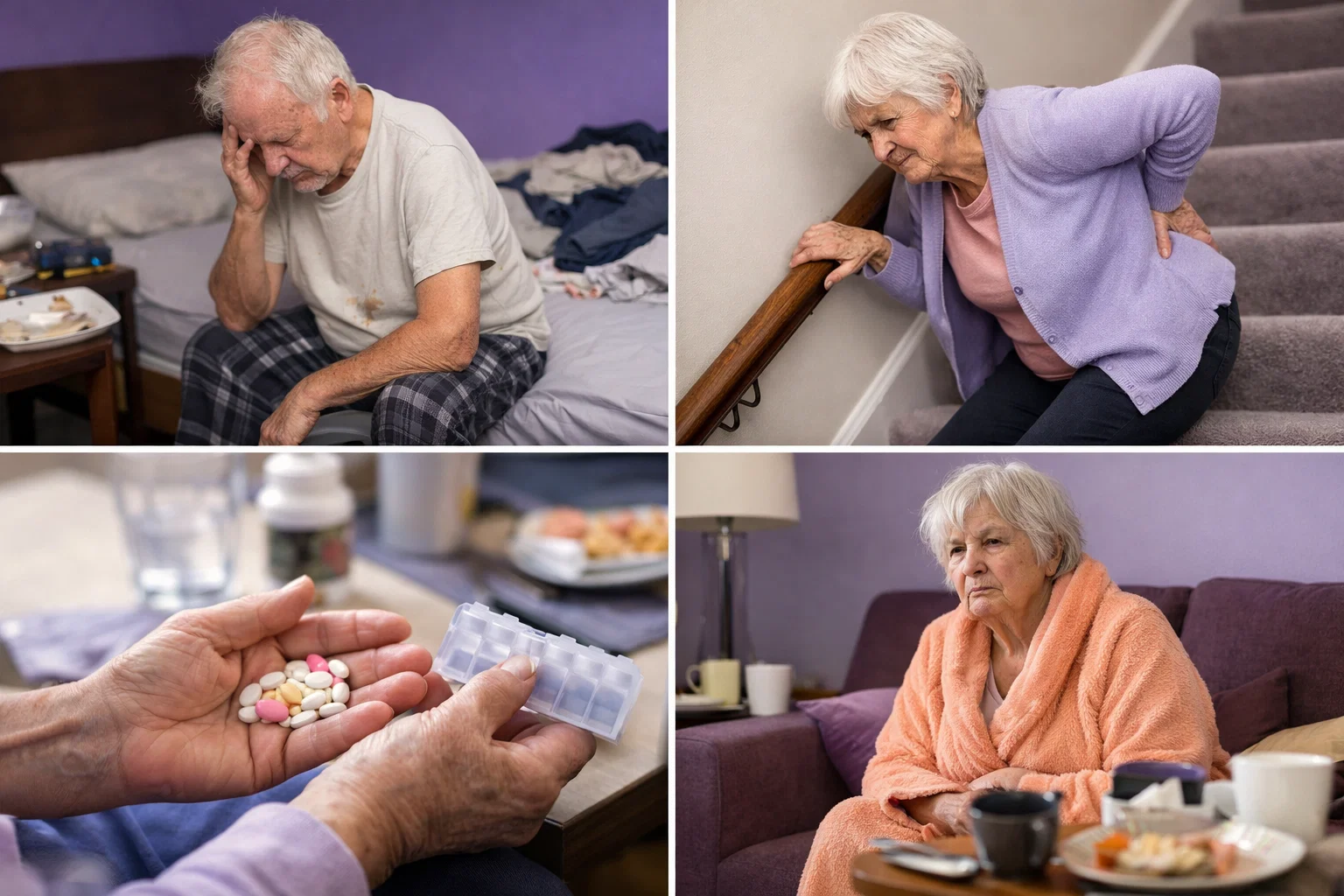

Recognizing When Help Is Needed
Watching a parent or loved one age can feel emotionally challenging, especially when you start noticing changes in their ability to care for themselves. Many families struggle to determine when the right time arrives to seek professional help, often waiting until a crisis occurs before taking action. A sudden fall, a trip to the emergency room, or a serious medication error frequently serves as the wake-up call that prompts families to explore home care options.
However, waiting for a crisis puts your loved one at unnecessary risk. Recognizing the early warning signs that indicate a need for skilled nursing or other home care services can help prevent accidents, hospitalizations, and a decline in your loved one’s quality of life. Early intervention leads to better outcomes and allows your family to plan care proactively rather than reactively.
HarvardCare at Home helps families across Los Angeles identify and address these needs before they escalate into emergencies. Our experienced nurses and therapists assess patients in their homes, identify areas of concern, and develop care plans that address both immediate needs and long-term wellness goals. Understanding the warning signs described below empowers you to advocate for your loved one’s health and safety.
The signs that a senior needs professional help often appear gradually, making them easy to overlook during regular visits. You might attribute changes to normal aging or assume your parent simply had a bad day. Learning to distinguish between typical aging and warning signs that require professional attention helps you make informed decisions about your loved one’s care.
Changes in Personal Hygiene and Appearance
One of the earliest and most noticeable signs that a senior may need assistance appears as a decline in personal hygiene. This includes infrequent bathing, wearing the same clothes for several days in a row, unkempt hair, unbrushed teeth, or noticeable body odor. These changes may indicate physical difficulty with bathing, pain that makes grooming tasks uncomfortable, cognitive decline affecting awareness, or depression that reduces motivation for self-care.
Pay attention to changes in your loved one’s appearance compared to how they typically present themselves. A person who always dressed neatly and took pride in their appearance but now seems disheveled or unkempt may signal that they need help with these basic tasks. ADL training can help seniors regain independence with daily activities like bathing, dressing, and grooming through structured practice and adaptive techniques.
You might also notice that their home has become cluttered or dirty when they previously kept it well-maintained. Piles of unopened mail on the counter, expired food filling the refrigerator, overflowing trash bins, stained carpets, or an overall unclean living environment all serve as red flags that should not go unaddressed. These environmental changes often indicate that your loved one struggles with physical tasks like vacuuming, taking out trash, or organizing their belongings.
Look beyond the obvious messes and check areas your loved one might try to hide. Open kitchen cabinets and check for expired products. Look in the bathroom for signs of neglected cleaning. Check the laundry area for piles of unwashed clothing. These hidden signs often tell a more complete story about your loved one’s functional abilities than what you observe on a casual visit.
Occupational therapy can help seniors develop strategies to manage household tasks more effectively, even with physical limitations. An occupational therapist evaluates your loved one’s abilities and recommends adaptive equipment and techniques that make daily tasks safer and easier to accomplish independently.
Medication Mismanagement
Proper medication management ranks among the most critical concerns for seniors with chronic conditions. The average older adult takes five or more prescription medications daily, creating a complex regimen that challenges even the most organized individuals. Warning signs of medication mismanagement include missed doses, taking medications at the wrong times, confusion about what each medication treats, duplicate pill bottles suggesting refilled prescriptions taken incorrectly, or multiple pill bottles scattered around the home in random locations.
Check your loved one’s medicine cabinet during visits and look for expired medications, duplicate prescriptions, or pill organizers that show missed days. Count the pills in bottles if possible and compare the number remaining to the fill date on the label. These simple checks can reveal patterns of missed or extra doses that your loved one may not recognize or report.
Medication errors can lead to serious health consequences, including dangerous drug interactions, uncontrolled chronic conditions, emergency room visits, and hospitalization. A single medication error in an elderly patient can trigger a cascade of health problems that significantly impact their independence and quality of life. If you notice your loved one struggling to keep track of their prescriptions, professional home health care can provide the medication oversight they need to stay safe.
A skilled nurse visiting the home can organize medications, set up pill organizers, educate your loved one about each medication’s purpose and timing, monitor for side effects, and communicate with physicians about any concerns. This professional oversight dramatically reduces the risk of medication errors and their potentially devastating consequences. Learn about preventing hospital readmissions through proper care management.
Unexplained Weight Loss or Poor Nutrition
Significant weight loss, an empty refrigerator, or a pantry full of expired food may indicate that your loved one fails to eat properly. Several factors can contribute to poor nutrition in seniors, including difficulty cooking due to physical limitations, forgetting to eat because of cognitive decline, loss of appetite from depression or medication side effects, inability to drive to the grocery store, dental problems that make chewing painful, or financial constraints limiting food purchases.
Look for concrete evidence of nutritional problems during your visits. Open the refrigerator and check for fresh food. Examine the pantry for variety and expiration dates. Notice whether your loved one has lost weight since your last visit, whether their clothes fit loosely, or whether they seem fatigued and low on energy. Ask directly about their eating habits, and pay attention to whether their answers match the evidence you observe in their kitchen.
Poor nutrition weakens the immune system and slows wound healing, making seniors more vulnerable to illness, infection, and injury. Malnutrition also accelerates muscle loss, increases fall risk, impairs cognitive function, and reduces the body’s ability to recover from illness or surgery. Read about how nutrition impacts wound healing in older adults to understand why proper diet matters so profoundly for senior health.
A home health team can assess your loved one’s nutritional status and develop strategies to improve their diet. Skilled nurses can monitor weight trends, evaluate whether medications affect appetite, and coordinate with physicians about nutritional supplementation. Occupational therapists can teach adaptive cooking techniques and recommend kitchen tools that make meal preparation easier for seniors with physical limitations. Read about foods that speed up wound healing for specific dietary guidance.
Increased Falls or Balance Issues
Falls represent the leading cause of injury among seniors and often indicate underlying health problems that require professional attention. If your loved one has experienced recent falls, near-falls, or seems unsteady on their feet, the time has arrived to consider professional help. Even a single fall should prompt a conversation about safety, as one fall significantly increases the likelihood of another. Learn about how physical therapy reduces fall risk in seniors.
Look for indirect evidence of falls that your loved one may not report. Unexplained bruises, scrapes, or injuries can indicate falls that they feel embarrassed to mention. Furniture rearranged to create support paths through the home, new grab bars installed without discussion, or reluctance to walk in certain areas all suggest your loved one experiences balance problems they try to manage independently.
Home health physical therapists can evaluate fall risk comprehensively, recommend home modifications, and provide targeted exercises to improve strength, balance, and coordination. Our fall risk assessment identifies specific factors contributing to fall danger, while our fall prevention therapy program addresses those factors through personalized exercise and training. A home safety evaluation identifies environmental hazards like loose rugs, poor lighting, cluttered walkways, and missing handrails that increase fall risk.
Taking proactive steps to prevent falls protects your loved one from serious injuries like hip fractures, head injuries, and broken bones that can permanently reduce independence. Patients who fracture a hip often face lengthy recovery requiring rehabilitation and many never fully regain their previous level of function. Read our guide on home safety modifications to prevent falls for practical steps you can implement immediately.
Difficulty Managing Chronic Conditions
Seniors with diabetes, heart disease, COPD, or other chronic conditions require consistent monitoring and management to maintain their health. Signs of poor disease management include uncontrolled blood sugar levels, shortness of breath during minimal activity, swelling in the legs or ankles, wounds that refuse to heal, frequent infections, persistent fatigue, and unexpected changes in weight or appetite.
Watch for signs that your loved one has stopped following their treatment plan. Missed medical appointments, unfilled prescriptions, abandoned dietary restrictions, discontinued exercise routines, and failure to monitor blood sugar or blood pressure at home all indicate that managing their condition has become overwhelming without professional support.
Skilled nursing care provides the medical oversight needed to keep chronic conditions under control and prevent the complications that lead to emergency room visits and hospitalizations. A skilled nurse monitors vital signs, assesses symptoms, adjusts care plans based on changing needs, educates patients about their conditions, and communicates with physicians to optimize treatment.
For diabetic patients specifically, our diabetic wound care services help prevent serious foot complications that can lead to amputation. Diabetes affects circulation and nerve sensation, making foot injuries dangerous and slow to heal. Regular professional monitoring catches problems early when treatment proves most effective. Learn about diabetes and slow wound healing and why diabetic foot ulcer prevention requires vigilant attention.
Patients managing wound care challenges benefit from professional nursing support that ensures proper healing techniques, monitors for signs of infection, and implements evidence-based treatment protocols. Learn about why chronic wounds need professional care to heal effectively.
Social Withdrawal and Mood Changes
Depression and isolation affect seniors at alarming rates, especially those with limited mobility, chronic pain, or who have recently lost a spouse. Watch for signs like withdrawal from activities they once enjoyed, canceling plans with friends or family, loss of interest in hobbies, declining invitations to family gatherings, expressions of hopelessness or worthlessness, increased irritability, changes in sleep patterns, and neglect of personal interests.
Social isolation does more than affect mood. Research links prolonged isolation in seniors to accelerated cognitive decline, increased risk of dementia, weakened immune function, higher rates of heart disease, and earlier mortality. Addressing isolation proactively protects both your loved one’s mental and physical health.
Home health professionals provide regular human contact and meaningful interaction during each visit. Beyond the medical care they deliver, nurses and therapists build genuine relationships with their patients, offering conversation, encouragement, and emotional support. These regular visits break the cycle of isolation and give your loved one something positive to anticipate each week.
Occupational therapy can also help seniors stay engaged with meaningful activities by adapting hobbies and interests to accommodate physical limitations. An occupational therapist might help your loved one find new ways to enjoy gardening, cooking, crafting, or other activities that bring purpose and satisfaction. ADL training helps rebuild confidence in daily activities, which often improves mood and motivation.
Cognitive Changes and Memory Concerns
Memory problems and cognitive changes represent significant warning signs that your loved one may need professional support at home. While occasional forgetfulness happens to everyone, certain patterns suggest more serious concerns. Watch for repeated questions within the same conversation, difficulty following familiar recipes or directions, getting lost in familiar locations, confusion about dates, seasons, or the passage of time, trouble managing finances or paying bills, and misplacing items in unusual places.
These cognitive changes directly impact safety and daily function. A senior who forgets they left the stove on creates a fire hazard. Someone who cannot remember whether they took their medication risks dangerous over- or under-dosing. A person who gets confused while driving endangers themselves and others. Professional medication management and regular nursing assessments help protect seniors experiencing cognitive decline.
Skilled nurses can evaluate cognitive function during home visits, monitor for changes over time, and alert physicians to concerning trends. Occupational therapists can implement memory aids, simplify daily routines, and create environmental cues that help seniors with cognitive challenges function more safely and independently at home.
Having the Conversation With Your Loved One
If you have noticed any of these warning signs, the time has arrived to have a compassionate conversation with your loved one about getting help. This conversation often feels difficult for both parties, as seniors may resist the idea of needing assistance and adult children may feel uncomfortable stepping into a caretaking role.
Approach the topic with empathy and respect, focusing on how home care can help them maintain their independence rather than suggesting they cannot care for themselves. Use specific observations rather than general statements. Instead of saying “You can’t take care of yourself anymore,” try “I noticed the wound on your leg looks worse than last month, and I want to make sure you get the right care to heal it properly.”
Choose a calm, private moment for this discussion rather than raising concerns during a family gathering or stressful situation. Listen to your loved one’s concerns and fears about accepting help. Many seniors worry about losing independence, becoming a burden, or having strangers in their home. Acknowledge these feelings and explain how home health care actually preserves independence by preventing the health crises that lead to nursing home placement.
Involve their physician in the conversation by scheduling an appointment to discuss your observations. Doctors carry authority that family members sometimes lack, and a physician’s recommendation may carry more weight with a reluctant parent. Read our guide on how to choose the right home health agency to prepare for next steps.
Taking the Next Step
Once your family decides to explore home health care, taking action quickly produces the best outcomes. Delaying care allows existing problems to worsen and increases the risk of a preventable emergency. Contact your loved one’s physician to discuss your observations and request a referral for home health services.
You can also reach out directly to a home health agency for guidance. Contact HarvardCare at Home to discuss your loved one’s situation and learn about our comprehensive home health services. Our intake team can explain available options, answer your questions, and guide you through the process of starting care.
We serve families throughout Los Angeles County, including Beverly Hills, Pasadena, Glendale, Santa Monica, Burbank, Long Beach, and surrounding communities. Visit our FAQ page for answers to common questions about services, insurance coverage, and what to expect. Learn more about HarvardCare at Home and our commitment to helping seniors live safely and comfortably in their own homes.
Our caregiver training program also equips family members with skills and knowledge to better support their loved one between professional visits. You do not have to navigate this journey alone. Professional guidance and support make a meaningful difference for both patients and the families who care for them.
