
 Wound Care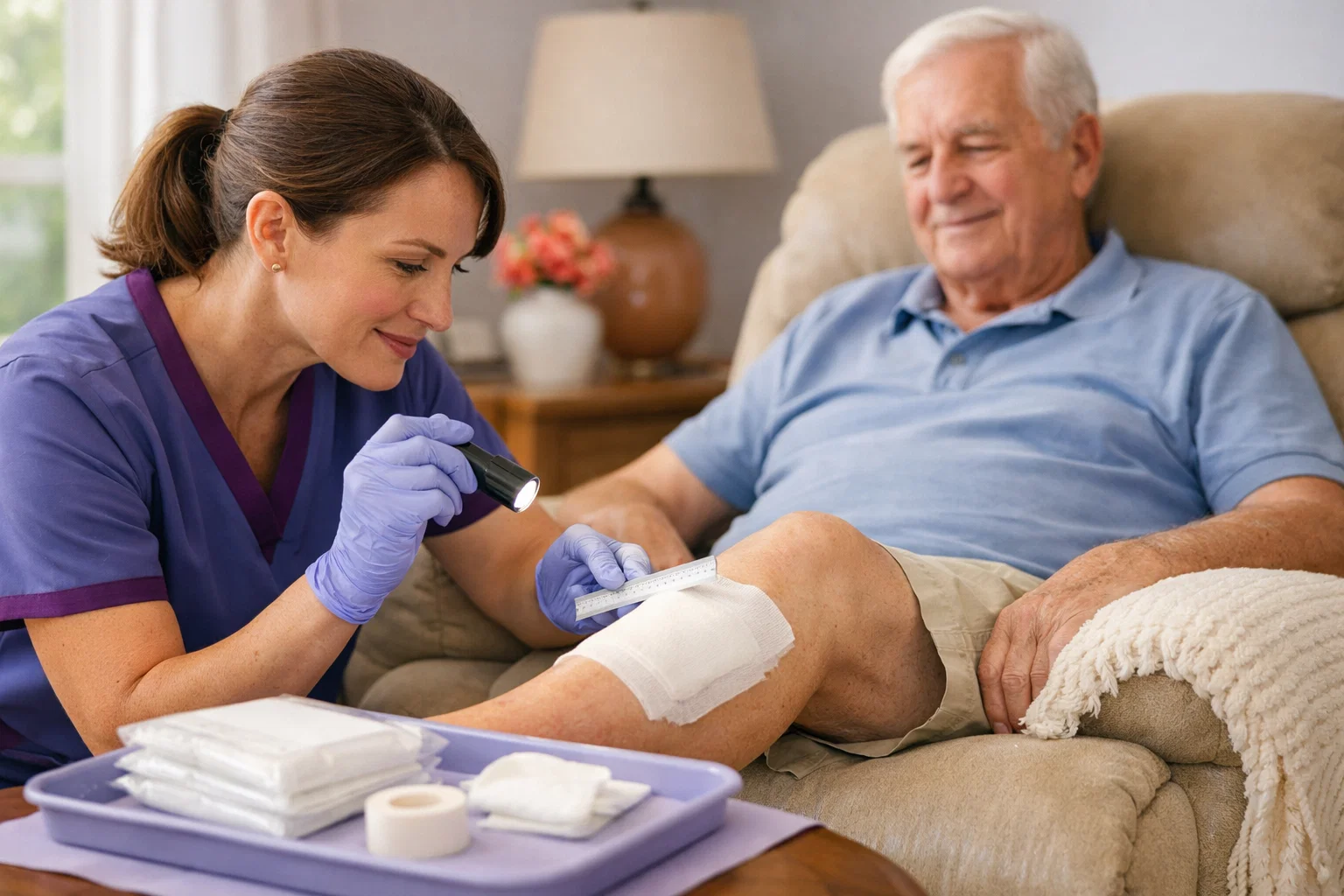

Understanding Why Some Wounds Do Not Heal
Most wounds heal without difficulty. A cut or scrape progresses through predictable healing stages and closes within weeks. But some wounds stall, remaining open for months despite basic care. These chronic wounds require professional intervention to heal.
If you or a loved one has a wound that is not healing as expected, understanding why some wounds become chronic and what professional care offers helps you seek appropriate treatment. Chronic wounds rarely heal without addressing the underlying factors that prevent normal healing.
What Makes a Wound Chronic
A wound is generally considered chronic when it fails to progress through normal healing stages within an expected timeframe, typically four to six weeks for most wounds.
Normal Wound Healing
Healthy wounds heal through an orderly process. Inflammation clears debris and fights infection. New tissue forms to fill the wound. The wound contracts and closes. Skin regenerates over the surface. This process happens automatically when conditions are right.
When Healing Stalls
In chronic wounds, something interrupts this orderly process. The wound may remain stuck in the inflammatory phase, unable to progress to tissue building. Or new tissue may form but break down repeatedly. Without addressing what is blocking healing, the wound cannot close.
Common Chronic Wound Types
Several wound types commonly become chronic.
Diabetic Foot Ulcers
Diabetes damages nerves and blood vessels, creating conditions where minor foot injuries become non-healing ulcers. Diabetic foot ulcers affect approximately 15 percent of people with diabetes.
Venous Leg Ulcers
Poor vein function causes blood to pool in the legs, damaging skin and creating ulcers that resist healing without addressing the underlying circulation problem.
Pressure Ulcers
Sustained pressure damages tissue, and these wounds often become chronic when pressure continues or underlying factors prevent healing.
Arterial Ulcers
Inadequate arterial blood flow deprives tissue of oxygen and nutrients needed for healing, creating wounds that cannot heal without improved circulation.
Why Self-Treatment Often Fails
People often try to treat chronic wounds at home for extended periods before seeking professional help. Understanding why self-treatment usually fails with chronic wounds encourages earlier professional consultation.
Underlying Causes Remain Unaddressed
Chronic wounds persist because something prevents healing. Simply keeping the wound covered does not address poor circulation, uncontrolled diabetes, continued pressure, infection, or other underlying factors. Without treating the cause, the wound cannot heal.
Inappropriate Treatment Choices
Wound care products and techniques vary significantly, and choosing the wrong approach can impair rather than support healing. Too much moisture causes maceration. Too little moisture lets the wound dry out. Products appropriate for one wound type may harm another. Professional assessment guides appropriate treatment selection.
Unrecognized Infection
Chronic wounds commonly harbor bacteria that impair healing. Low-level infection may not cause obvious symptoms like pus or fever, yet still prevents wound closure. Professional assessment identifies infection requiring treatment.
Inadequate Debridement
Dead tissue in wound beds prevents healing. While healthy tissue naturally separates from dead tissue, chronic wounds often need professional debridement to remove tissue that the body cannot clear itself.
What Professional Wound Care Provides
Professional wound care addresses chronic wounds comprehensively, offering capabilities beyond what self-treatment can accomplish.
Thorough Assessment
Professional wound care begins with comprehensive assessment. Clinicians evaluate wound characteristics including size, depth, and tissue types, underlying conditions affecting healing, circulation status, infection presence, nutritional status, and current treatment effectiveness.
This assessment identifies what is preventing healing and guides treatment planning.
Appropriate Treatment Selection
Based on assessment, wound care professionals select appropriate treatments from a wide range of options. Modern wound care involves far more than simple bandaging. Treatment may include specialized dressings matched to wound characteristics, debridement to remove dead tissue, infection management, compression therapy for venous wounds, offloading for pressure-related wounds, and advanced therapies for stubborn wounds.
Professional selection of evidence-based treatments produces better outcomes than trial-and-error self-treatment.
Debridement
Removing dead, damaged, and infected tissue is often essential for chronic wound healing. Professional debridement methods include sharp debridement using surgical instruments, enzymatic debridement using prescription products, autolytic debridement using dressings that promote natural processes, and mechanical debridement using various techniques.
Appropriate debridement removes barriers to healing and stimulates the wound to resume normal healing processes.
Infection Management
When infection impairs healing, professional care provides appropriate treatment. This may involve topical antimicrobial dressings, systemic antibiotics when indicated, and wound cultures to identify specific organisms when standard treatment fails.
Addressing Underlying Conditions
Professional wound care works in coordination with management of underlying conditions. Diabetic wound care involves blood sugar optimization. Venous ulcer care includes compression and addressing vein problems. Pressure ulcer care requires pressure elimination and nutritional support.
Treating the wound without addressing what caused it cannot produce lasting healing.
Ongoing Monitoring
Professional wound care includes regular assessment of healing progress. Clinicians identify when treatment is working and when changes are needed. Stalled wounds receive adjusted treatment rather than continued ineffective approaches.
The Consequences of Delayed Treatment
Delaying professional care for chronic wounds carries significant risks.
Wound Progression
Chronic wounds that do not heal often worsen. What begins as a small ulcer can expand in size and depth, eventually involving deep tissue, bone, or vital structures.
Infection
The longer a wound remains open, the greater the infection risk. Serious infections including bone infection (osteomyelitis) and blood infection (sepsis) can develop from chronic wounds.
Amputation
For diabetic foot ulcers in particular, delayed treatment increases amputation risk. Prompt professional care significantly reduces this devastating outcome.
Quality of Life
Living with chronic wounds affects quality of life through pain, limited mobility, wound care burden, and psychological impact. Faster healing through professional treatment restores quality of life sooner.
Home Health Wound Care
Professional wound care is available in the home setting through home health services.
Convenience and Accessibility
Home health brings professional wound care to patients rather than requiring travel to wound care centers. This increases accessibility for patients with mobility limitations or transportation challenges.
What Home Health Provides
Skilled nursing through home health delivers professional wound assessment, evidence-based wound treatment, debridement when appropriate, patient and caregiver education, coordination with physicians, and ongoing monitoring of healing progress.
Appropriate Patients
Home health wound care is appropriate for many chronic wound patients, particularly those who are homebound or have difficulty traveling, need regular professional wound care, can safely receive treatment at home, and have wounds manageable outside hospital or wound center settings.
Accessing Services
Home health wound care requires a physician order. If you have a chronic wound, discuss home health referral with your doctor. If you are already seeing a wound care specialist, they can coordinate home health services to support treatment between clinic visits.
When to Seek Professional Help
Do not wait months hoping a wound will eventually heal on its own. Seek professional evaluation when a wound has not shown significant improvement in two to four weeks, a wound that was improving has stalled or worsened, any signs of infection appear, you have diabetes and develop any foot wound, you have circulation problems and develop leg wounds, or you are unsure whether your wound is healing normally.
Early professional intervention produces better outcomes than delayed treatment of advanced wounds.
Your Role in Professional Wound Care
Professional care works best when patients actively participate in their treatment.
Follow Treatment Plans
Adhere to prescribed wound care between professional visits. Take medications as directed. Follow activity and weight-bearing instructions.
Manage Underlying Conditions
Control blood sugar if diabetic. Follow treatment for circulation problems. Address nutritional deficiencies. Managing underlying conditions supports wound healing.
Communicate Changes
Report wound changes, new symptoms, or concerns to your care team promptly. Early communication enables early intervention for problems.
Keep Appointments
Regular professional monitoring catches problems early and allows treatment adjustments. Missing appointments delays healing.
Healing Is Possible
Chronic wounds are challenging, but most can heal with appropriate professional care. The combination of expert assessment, evidence-based treatment, management of underlying conditions, and ongoing monitoring creates conditions for wounds to finally close.
If you have a wound that is not healing, do not continue hoping for improvement that is not happening. Seek professional wound care evaluation. The sooner appropriate treatment begins, the sooner healing can occur.
