 Wound Care
 Skilled Nursing Care
 Physical Therapy
 Occupational Therapy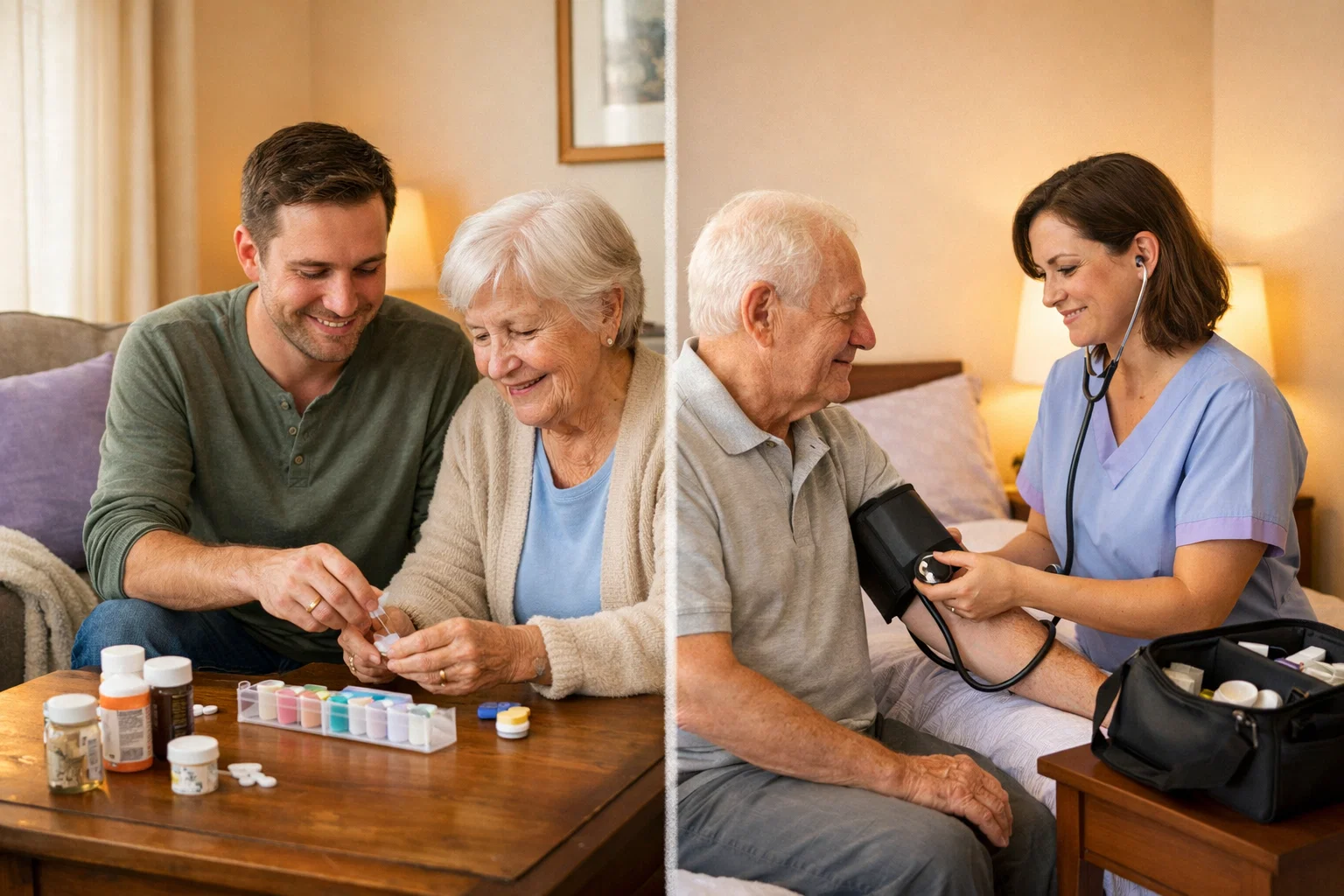

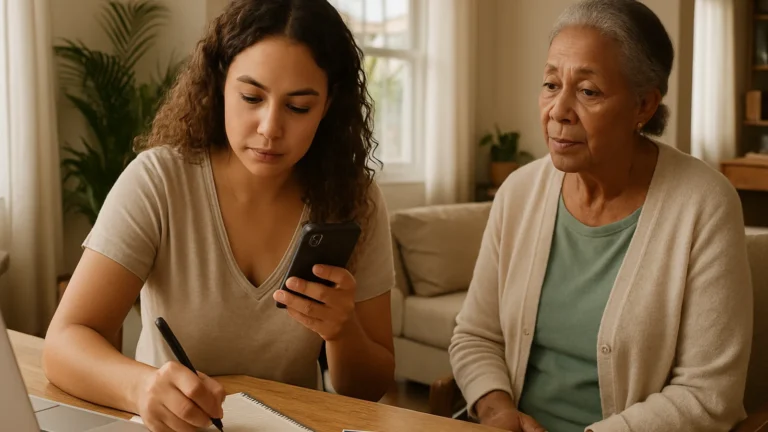
Your mother just came home from the hospital after hip replacement surgery. Or your father has diabetes and a wound on his foot that won’t heal. Your spouse suffered a stroke and needs rehabilitation to regain mobility. You start searching for help and quickly encounter two terms that seem similar but leave you confused: IHSS and home health care.
You’re not alone in this confusion. Thousands of families across Los Angeles County search for in-home supportive services when they actually need skilled medical care at home—or vice versa. Both programs help people remain in their homes rather than moving to facilities, but they serve fundamentally different purposes, involve different providers, and work through entirely different systems.
Understanding the distinction between IHSS and home health care helps you access the right services for your loved one’s specific situation. This guide breaks down both programs completely so you can make informed decisions about care.
What Is IHSS (In-Home Supportive Services)?
In-Home Supportive Services, commonly called IHSS, is California’s Medi-Cal funded program that helps elderly, blind, and disabled individuals remain safely in their homes by providing assistance with daily activities. The program has served Californians since 1973 and currently supports over 600,000 recipients statewide.
IHSS provides non-medical personal care services. Caregivers help recipients with activities of daily living that become difficult due to age, disability, or chronic illness. These services include bathing and grooming assistance, dressing and undressing, meal preparation and feeding, housekeeping and laundry, grocery shopping and errands, accompaniment to medical appointments, and protective supervision for those with cognitive impairments.
The caregivers who provide IHSS services do not need medical training or professional licenses. In fact, one of the program’s most distinctive features allows recipients to hire their own caregivers—including family members, friends, or neighbors. Many IHSS recipients employ their adult children or spouses as paid caregivers, keeping care within the family while providing compensation for the significant time commitment caregiving requires.
To qualify for IHSS in Los Angeles County, applicants must meet several criteria. And must be a California resident living in their own home or apartment (not a facility). They must be eligible for Medi-Cal or meet Medi-Cal income requirements for IHSS purposes, and be over 65 years old, blind, or have a disability. They must need assistance with daily activities to remain safely at home.
Applying for IHSS requires contacting the Los Angeles County Department of Public Social Services (DPSS). A social worker conducts an in-home assessment to evaluate the applicant’s functional limitations and determine how many hours of care they qualify to receive monthly. The assessment considers which tasks the person cannot perform independently and how much time each task requires.
IHSS authorization can range from a few hours weekly to over 280 hours monthly for those with extensive needs. The county pays caregivers directly, and recipients pay nothing out of pocket for authorized services. However, the application and approval process often takes several weeks, and monthly hour allocations may not cover all the help a person needs.
What Is Home Health Care?
Home health care is a Medicare-certified program that delivers skilled medical services in patients’ homes. Unlike IHSS’s focus on daily living assistance, home health care provides clinical treatment from licensed healthcare professionals—registered nurses, physical therapists, occupational therapists, speech therapists, and medical social workers.
The services provided through home health care address medical needs that previously required hospital stays, nursing facility placement, or frequent clinic visits. Skilled nursing services include wound assessment and treatment, medication management and injections, IV therapy and infusion services, catheter and ostomy care, vital sign monitoring, disease education and management, and care coordination with physicians.
Physical therapy helps patients recover strength, balance, and mobility after surgery, hospitalization, injury, or functional decline. Occupational therapy focuses on restoring independence in daily activities, adapting the home environment for safety, and teaching compensatory techniques for those with permanent limitations.
Home health care requires a physician’s order. A doctor must certify that the patient has a medical condition requiring skilled care that can be safely and effectively provided at home. The patient must also be considered homebound—meaning that leaving home requires considerable and taxing effort due to their condition. Being homebound doesn’t mean bedridden; patients who need assistance, mobility devices, or special transportation to leave home typically qualify.
Medicare Part A covers home health care with no deductible, copayment, or coinsurance for eligible beneficiaries. This means qualified patients receive professional medical care at home completely free. Medi-Cal, Medicare Advantage plans, and most private insurance policies also cover home health services, making this care accessible to most people who need it.
Home health agencies like HarvardCare at Home employ the licensed professionals who deliver care. Patients don’t hire their own providers or manage employment responsibilities. The agency handles scheduling, supervision, documentation, and coordination with the patient’s medical team.
Key Differences Between IHSS and Home Health Care
Understanding the core distinctions between these programs helps families identify which one—or both—their loved one needs.
Type of Care Provided
IHSS delivers non-medical personal care and household assistance. Caregivers help with bathing, dressing, cooking, cleaning, and errands. They do not provide medical treatment, administer medications beyond simple reminders, change wound dressings, or perform therapeutic exercises.
Home health care delivers skilled medical services. Nurses treat wounds, manage complex medications, provide IV therapy, and monitor chronic conditions. Physical therapists design and supervise rehabilitation programs. These services require clinical training and professional licensure.
Who Provides Care
IHSS caregivers need no formal training or credentials. Recipients often choose family members, friends, or community members as their providers. The relationship is personal and flexible, though caregivers receive no clinical supervision.
Home health professionals hold state licenses and work under physician orders. Registered nurses have completed nursing programs and passed licensure examinations. Physical and occupational therapists have graduate degrees and specialized training. A supervising physician oversees the plan of care.
How You Qualify
IHSS eligibility depends on Medi-Cal status (or meeting income requirements), California residency, and functional limitations affecting daily activities. County social workers assess applicants and determine authorized hours.
Home health eligibility depends on having a medical condition requiring skilled care and being homebound. Income and assets don’t affect Medicare home health eligibility. A physician must order services and certify medical necessity.
Who Pays
IHSS is funded by Medi-Cal (California’s Medicaid program). Recipients pay nothing; the county pays caregivers directly based on authorized hours.
Home health care is covered by Medicare Part A with zero cost-sharing for eligible beneficiaries. Medi-Cal, Medicare Advantage, and private insurance also provide coverage. Most patients pay nothing out of pocket.
Application Process
IHSS requires applying through the Los Angeles County DPSS, completing an in-home assessment, and waiting for hour authorization. The process typically takes several weeks.
Home health care begins with a physician’s order. Home health agencies can often start services within 24 to 48 hours of receiving orders and verifying insurance coverage. The agency handles authorization and documentation.
Duration of Services
IHSS continues as long as the recipient remains eligible and needs assistance. Many recipients receive IHSS for years or even decades. Hours are reassessed annually or when circumstances change.
Home health care continues as long as the patient remains homebound, needs skilled care, and shows progress toward goals. Services typically last weeks to months for acute conditions, though some patients with chronic needs receive ongoing care.
Signs You Might Need Home Health Care Instead of IHSS
Many families initially search for IHSS or general caregiving help when their loved one actually needs skilled medical intervention. The following situations indicate home health care as the appropriate—or at least additional—service.
Recovering from Joint Replacement Surgery
After hip or knee replacement, patients need more than help with daily activities. They need post-surgery rehabilitation from a licensed physical therapist who understands surgical protocols, weight-bearing restrictions, and progression timelines. Hip replacement rehab and knee replacement rehab at home produce outcomes comparable to outpatient therapy while eliminating transportation challenges during early recovery.
Stroke Rehabilitation
Stroke recovery requires specialized therapy to restore movement, balance, speech, and cognitive function. Physical therapists help patients regain mobility and prevent falls. Occupational therapists teach adaptive techniques for daily activities affected by stroke-related deficits. These skilled interventions go far beyond what an IHSS caregiver can provide.
Post-Hospital Discharge
The days and weeks following hospitalization represent a vulnerable period when complications and readmissions frequently occur. Post-hospital discharge nursing provides monitoring, medication reconciliation, wound care, and early problem detection that prevents emergency room visits and rehospitalization.
Chronic Wounds Requiring Professional Treatment
Diabetic foot ulcers, pressure injuries, surgical wounds, and venous leg ulcers need more than bandage changes. Professional wound care involves assessment, debridement, specialized dressings, infection monitoring, and coordination with physicians. Our wound care nurses treat complex wounds that IHSS caregivers cannot safely manage.
IV Therapy or Complex Medication Needs
Patients requiring IV antibiotics, infusions, or injections need skilled nursing. Medication management for patients taking multiple prescriptions with complex schedules also benefits from nursing oversight to prevent dangerous errors and interactions.
Fall Prevention Needs
If your loved one has fallen or you worry about fall risk, a professional fall risk assessment identifies specific factors contributing to instability. Fall prevention therapy addresses balance deficits, weakness, gait abnormalities, and environmental hazards through targeted interventions that significantly reduce fall rates.
Catheter or Ostomy Care
Catheter care and ostomy care require skilled nursing to prevent infections and complications. While IHSS caregivers might provide general hygiene assistance, the clinical aspects of catheter and ostomy management demand nursing expertise.
Can You Use Both IHSS and Home Health Care?
Yes—and many patients benefit from receiving both services simultaneously. IHSS and home health care are not mutually exclusive programs. They address different needs and can work together to provide comprehensive support.
Consider an 80-year-old woman recovering from a stroke. She needs physical therapy to regain walking ability and occupational therapy to relearn dressing and bathing techniques. These skilled services come through home health care covered by Medicare. She also needs help with meal preparation, housekeeping, and transportation to follow-up appointments while she recovers. These non-medical services can come through IHSS covered by Medi-Cal.
The home health physical therapist visits three times weekly for rehabilitation sessions. The IHSS caregiver—perhaps her daughter—comes daily to help with meals, laundry, and personal care. Both services help her stay home safely, but neither could fully replace the other.
Another example involves a diabetic man with a foot ulcer. He receives diabetic wound care from home health nurses who assess and treat his ulcer several times weekly. He also receives IHSS hours for grocery shopping and meal preparation since his mobility limitations make these tasks difficult. The skilled wound care and the daily living assistance serve complementary purposes.
If your loved one qualifies for both programs, using both maximizes available support while keeping them safely at home. The programs don’t conflict or duplicate each other when appropriately utilized.
How to Determine Which Services Your Loved One Needs
Start by listing your loved one’s specific challenges and needs. Separate medical needs from daily living needs.
Medical needs include wound treatment, medication management, physical rehabilitation, IV therapy, disease monitoring, catheter or ostomy care, and skilled assessments. These require home health care from licensed professionals.
Daily living needs include bathing and grooming assistance, meal preparation, housekeeping, laundry, grocery shopping, transportation, and supervision. These can be addressed through IHSS or private caregivers.
Many families discover their loved one has both types of needs. A patient might need wound dressing changes from a nurse AND help with cooking and cleaning. They might need physical therapy for balance AND assistance with bathing. In these cases, combining home health care and IHSS provides the most complete support.
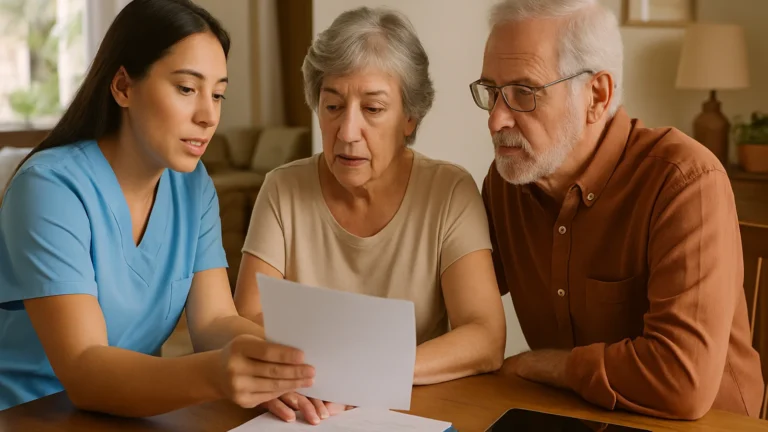
If you’re unsure whether your loved one’s needs are medical or non-medical, a home health evaluation can clarify the situation. Skilled clinicians assess the patient, identify medical needs, and recommend appropriate services. If home health care isn’t indicated, they can direct you toward IHSS or other resources.
Home Health Care in Los Angeles County
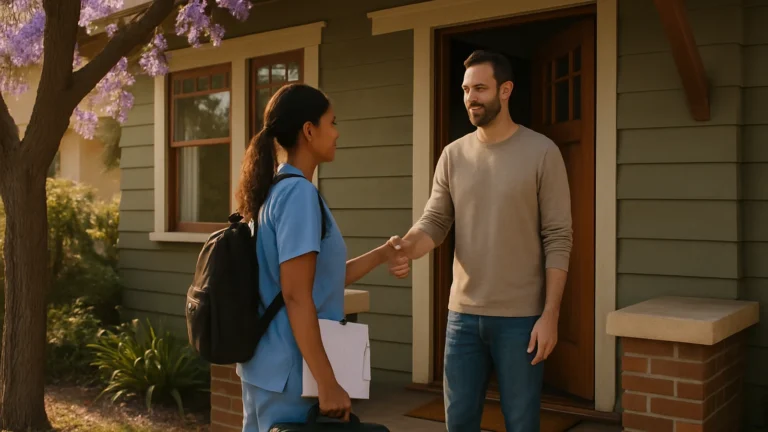
For families in Los Angeles County whose loved ones need skilled medical care at home, Medicare-covered home health care in Los Angeles is available throughout the region. HarvardCare at Home provides in-home physical therapy, skilled nursing at home, occupational therapy, and specialized wound care at home to patients across 97 cities.
We serve patients in Beverly Hills, Pasadena, Glendale, Long Beach, Santa Monica, Burbank, Torrance, Encino, Woodland Hills, Arcadia, Downey, Whittier, and communities throughout Los Angeles County. Same-day service initiation is often available for urgent situations.
Our team coordinates with your loved one’s physicians to obtain necessary orders, verifies insurance coverage, and explains exactly what services are available at no cost. Most Medicare beneficiaries pay nothing out of pocket for home health services—no deductible, no copay, no coinsurance.
If you’re unsure whether your loved one needs home health care, IHSS, or both, we’re happy to discuss their situation and help you understand your options. Contact HarvardCare at Home for a free assessment or call (323) 484-4440 to speak with our care coordination team.
The goal—yours and ours—is keeping your loved one safe, comfortable, and well-cared-for at home. Whether that involves skilled nursing, physical therapy, IHSS services, or a combination of support, understanding your options empowers you to make the best decisions for your family.