 HarvardCare at Home
  HarvardCare at Home
  Wound Care
 Skilled Nursing Care
 Physical Therapy
 Occupational Therapy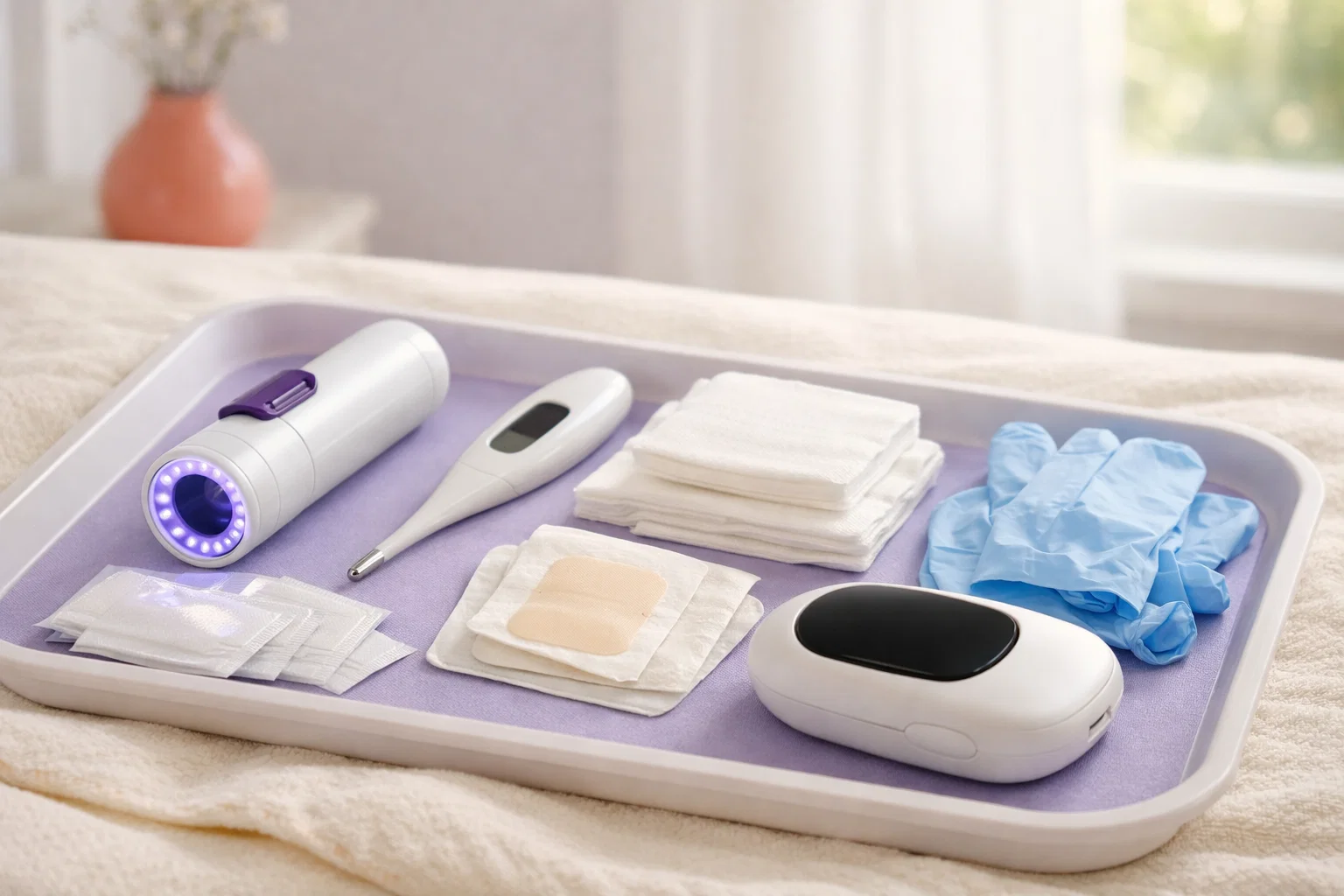

Innovation Driving Better Wound Healing Results
The field of wound care has experienced remarkable technological advancement in recent years, bringing new treatment options that improve healing outcomes for patients with chronic and complex wounds. From advanced dressings to innovative therapies, these developments are changing what is possible for patients who previously faced prolonged healing times or non-healing wounds.
For the millions of Americans living with chronic wounds, these advances offer renewed hope for healing. Understanding the evolving landscape of wound care technology helps patients and families appreciate the sophisticated treatments now available through professional wound care services.
The Challenge of Chronic Wounds
Chronic wounds affect an estimated 6.5 million patients in the United States, creating significant healthcare burden and diminished quality of life. Diabetic foot ulcers, pressure injuries, venous leg ulcers, and other chronic wounds often resist healing for months or years despite treatment.
Traditional wound care approaches, while still valuable, sometimes prove insufficient for the most challenging wounds. This reality has driven research and development of advanced technologies that address the underlying barriers to healing that simple dressings cannot overcome.
Advanced Wound Dressings
Modern wound dressings have evolved far beyond simple gauze, incorporating sophisticated materials and active components that create optimal healing environments.
Antimicrobial Dressings
Bacterial contamination represents a major barrier to wound healing. Advanced antimicrobial dressings incorporate silver, iodine, honey, or other antimicrobial agents that reduce bacterial burden in the wound bed without requiring systemic antibiotics.
These dressings provide sustained antimicrobial activity over multiple days, maintaining their effectiveness throughout the wear time. For wounds at risk of infection or those with elevated bacterial loads, antimicrobial dressings help create conditions favorable for healing.
Collagen-Based Dressings
Collagen is a key protein in wound healing, providing the structural framework for new tissue formation. Collagen-based dressings support the healing process by providing a matrix that promotes cell growth and tissue development.
These dressings are particularly valuable for wounds that have stalled in the healing process. The collagen matrix helps restart healing by providing the biological signals and structural support that chronic wounds often lack.
Foam and Hydrofiber Dressings
Managing wound moisture is critical for optimal healing. Advanced foam and hydrofiber dressings absorb excess drainage while maintaining the moist environment wounds need. These materials can handle heavily draining wounds while preventing the maceration of surrounding skin.
Newer versions incorporate multiple layers with different functions, combining absorption, antimicrobial action, and wound contact layers optimized for specific wound types.
Negative Pressure Wound Therapy
Negative pressure wound therapy, also known as vacuum-assisted closure or wound VAC therapy, has transformed treatment for many complex wounds. This technology applies controlled suction to the wound bed, creating conditions that promote healing.
How It Works
A specialized foam dressing is placed in the wound and sealed with an adhesive film. A suction device applies negative pressure, drawing fluid from the wound, increasing blood flow to the area, and promoting the formation of granulation tissue.
Benefits
Negative pressure therapy accelerates healing in appropriate wounds by removing excess fluid and bacteria, increasing local blood flow, stimulating tissue growth, reducing wound size through contraction, and protecting the wound from external contamination.
Home-Based Therapy
Advances in device technology have made negative pressure therapy feasible in the home setting for appropriate patients. Portable, battery-operated devices allow patients to receive this advanced treatment while maintaining their normal activities. Skilled nursing through home health services can manage negative pressure therapy at home, changing dressings and monitoring healing progress.
Bioengineered Skin Substitutes
For wounds that struggle to heal with conventional approaches, bioengineered skin substitutes offer another option. These products provide living cells, growth factors, and structural components that support wound healing.
Types of Products
Bioengineered skin products vary in composition. Some contain living human cells that produce growth factors and tissue components. Others provide a cellular matrix without living cells. Still others use animal-derived materials processed for human use.
Applications
These advanced products are typically reserved for wounds that have failed to respond to standard treatments. Diabetic foot ulcers and venous leg ulcers are common applications. The products are applied to the wound bed where they integrate with healing tissue and promote closure.
Growth Factor Therapies
Growth factors are proteins that signal cells to perform specific functions in wound healing. Some advanced wound treatments deliver growth factors directly to wounds to stimulate healing.
Available Therapies
Currently available growth factor products target specific aspects of wound healing. Becaplermin gel, for example, contains platelet-derived growth factor and is approved for diabetic foot ulcers. Research continues on additional growth factor applications.
Platelet-Rich Plasma
Platelet-rich plasma derived from the patient own blood contains concentrated growth factors. When applied to wounds, these growth factors can stimulate healing. This autologous approach uses the body own healing resources in concentrated form.
Hyperbaric Oxygen Therapy
Oxygen is essential for wound healing, and some chronic wounds suffer from inadequate oxygen delivery. Hyperbaric oxygen therapy addresses this by exposing patients to pure oxygen in a pressurized chamber.
How It Works
Patients breathe pure oxygen while inside a chamber pressurized above normal atmospheric pressure. This combination dramatically increases the oxygen concentration in blood and tissues, including wound beds that normally receive insufficient oxygen.
Appropriate Uses
Hyperbaric oxygen therapy benefits specific wound types, particularly diabetic foot ulcers, radiation-damaged tissue, and certain problem wounds with compromised blood supply. It requires specialized facilities and is typically used alongside other wound care treatments.
Smart Dressings and Monitoring
Emerging technologies are creating dressings that do more than passively cover wounds. Smart dressings can monitor wound conditions and even respond to changes in the wound environment.
Monitoring Capabilities
Sensors embedded in dressings can track factors like temperature, pH, and moisture levels. Changes in these parameters can indicate infection or other problems, potentially alerting clinicians before problems become clinically apparent.
Responsive Dressings
Some dressings under development can release medications or change their properties in response to wound conditions. A dressing might release additional antimicrobials when sensors detect signs of infection, or adjust moisture handling as wound drainage changes.
Accessing Advanced Wound Care
These sophisticated wound care technologies are available through professional wound care services provided by trained clinicians.
Professional Assessment
Effective use of advanced wound care technologies begins with thorough assessment by wound care specialists. Not every wound requires advanced treatments, and selecting appropriate therapies requires clinical expertise.
Home Health Wound Care
Many advanced wound care treatments can be delivered in the home setting through home health wound care services. Skilled nurses trained in wound care can apply advanced dressings, manage negative pressure therapy, and monitor healing progress while patients remain comfortable at home.
Coordinated Care
Complex wounds often benefit from coordinated care involving wound care specialists, primary care physicians, and specialists addressing underlying conditions. Home health services facilitate this coordination while delivering hands-on wound treatment.
The Promise of Continued Innovation
Wound care technology continues to advance rapidly. Research into new materials, biological therapies, and monitoring technologies promises continued improvement in what is possible for patients with difficult wounds.
For patients currently struggling with chronic wounds, these advances offer reason for optimism. Wounds that might have been considered untreatable a decade ago now have multiple treatment options. With professional wound care utilizing appropriate advanced technologies, many chronic wounds can be healed.
If you or a loved one is dealing with a wound that is not healing, consult with wound care professionals about available treatment options. The right combination of advanced technologies and skilled clinical care can often achieve healing where previous approaches have failed.


