
 Wound Care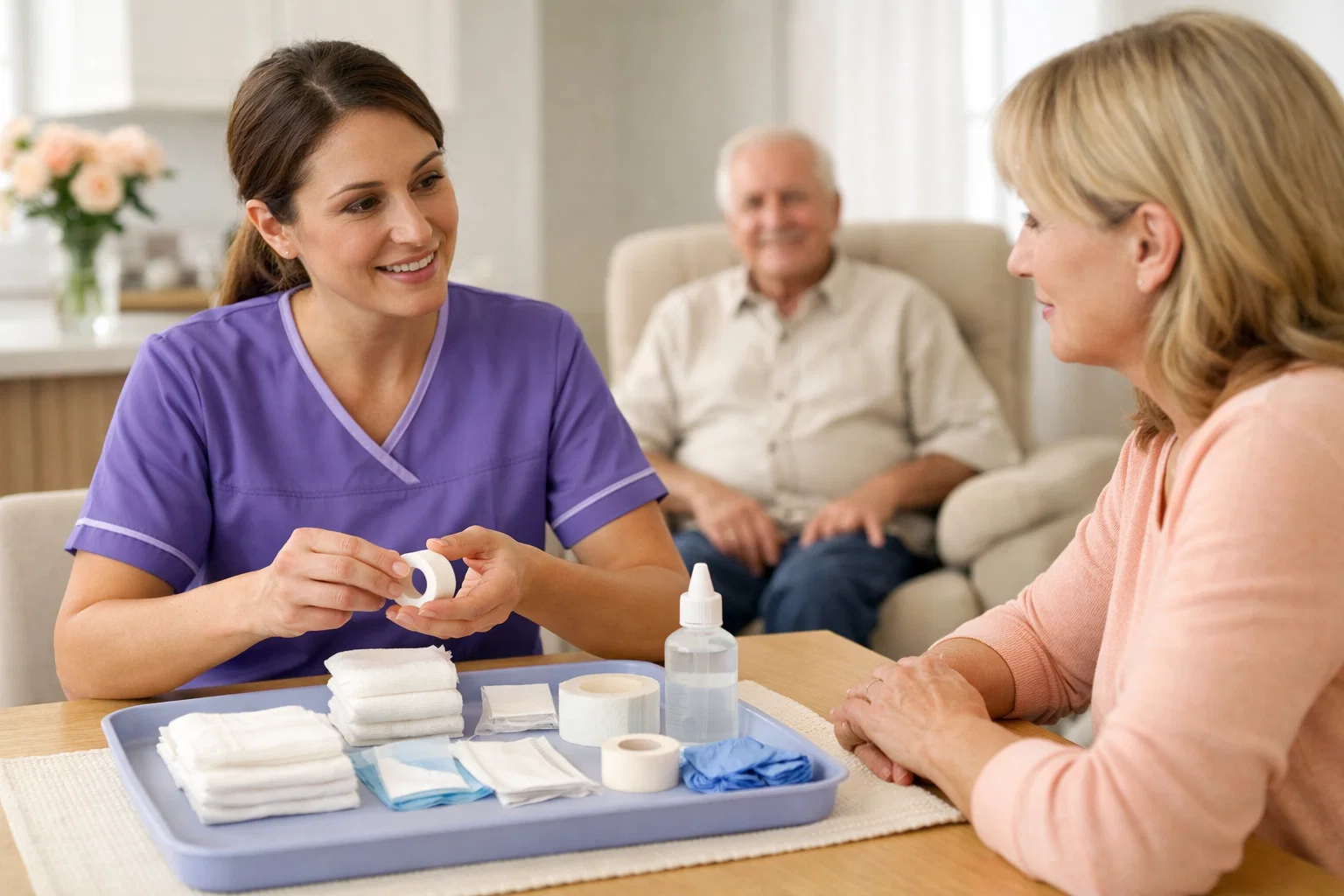

A Shift Toward Professional Wound Care at Home
Families across the country are increasingly choosing home-based wound care services for loved ones with chronic or complex wounds. This shift reflects growing awareness of the advantages professional wound care offers over self-treatment and recognition that sophisticated wound management can be delivered effectively in the home setting.
For patients with diabetic ulcers, pressure injuries, surgical wounds, or other wounds requiring professional attention, home-based wound care provides expert treatment without the burden of traveling to wound care centers or clinics. Understanding why families are choosing this option helps those facing wound care decisions make informed choices.
The Reality of Living with Wounds
Chronic wounds affect millions of Americans, creating ongoing challenges that impact daily life, independence, and wellbeing.
Prevalence of Chronic Wounds
An estimated 6.5 million Americans live with chronic wounds, including diabetic foot ulcers, venous leg ulcers, pressure injuries, and non-healing surgical wounds. These wounds often persist for months or years, requiring ongoing professional management.
Daily Impact
Living with a chronic wound affects nearly every aspect of life. Pain and discomfort interfere with sleep and activity. Dressing changes consume time and energy. Mobility may be limited to protect healing tissue. The emotional toll of prolonged wound issues affects mood and quality of life.
Treatment Burden
Traditional wound care often requires frequent trips to clinics or wound care centers. For patients with mobility limitations, transportation challenges, or caregiver constraints, these repeated appointments create significant burden that compounds the difficulty of living with a wound.
Why Families Choose Home-Based Wound Care
Multiple factors drive the growing preference for professional wound care delivered at home.
Elimination of Transportation Burden
Perhaps the most immediate benefit of home-based wound care is eliminating the need to travel for treatment. For patients who are elderly, mobility-impaired, or lack reliable transportation, getting to wound care appointments can be the biggest challenge of treatment.
Home-based care brings the wound care specialist to the patient. No arranging rides, no navigating medical buildings, no sitting in waiting rooms. Treatment happens in the comfort and convenience of home.
Treatment in Familiar Surroundings
Receiving care at home reduces the stress and discomfort many patients experience in clinical settings. Patients are more relaxed in their own environment, which can positively affect healing and certainly improves the care experience.
For patients with anxiety about medical settings, cognitive impairment, or conditions that make travel stressful, home-based care provides a gentler alternative that still delivers professional treatment.
Personalized Assessment
Home health wound care nurses assess patients in their actual living environment. They observe factors affecting wound healing that might not be apparent in a clinic visit, including nutrition, mobility, sleep setup, and home safety.
This comprehensive view enables personalized recommendations addressing the full range of factors influencing wound healing, not just the wound itself.
Family Caregiver Support
When wound care happens at home, family caregivers can observe and participate. They learn proper techniques, understand warning signs, and feel more confident supporting their loved one between professional visits.
This caregiver education extends the benefits of professional care throughout the week, not just during scheduled appointments.
Continuity of Care
Home health wound care typically involves consistent clinicians who develop relationships with patients over time. This continuity allows nurses to recognize subtle changes in wound status and patient condition that might not be apparent to a provider seeing the patient for the first time.
Reduced Infection Exposure
Traveling to healthcare facilities exposes patients to infections circulating among other patients and visitors. For patients with open wounds, this exposure carries real risk.
Home-based care eliminates this exposure. Treatment occurs in the patient own environment rather than shared clinical spaces.
Professional Expertise at Home
Home-based wound care provides access to the same professional expertise available in clinical wound care settings.
Skilled Wound Care Nurses
Skilled nursing through home health includes wound care provided by registered nurses trained in wound assessment, treatment selection, and healing optimization. Many home health nurses have specialized wound care certification and extensive experience with complex wounds.
Comprehensive Services
Home-based wound care encompasses the full range of wound management services including thorough wound assessment and documentation, debridement when appropriate, advanced dressing selection and application, infection monitoring and management, compression therapy for venous wounds, negative pressure wound therapy, patient and caregiver education, and coordination with physicians and specialists.
Access to Advanced Treatments
Many advanced wound care treatments can be delivered in the home setting. Negative pressure wound therapy, advanced biological dressings, and sophisticated wound care protocols are all available through home health services.
Better Outcomes at Home
Research and clinical experience demonstrate that home-based wound care produces outcomes comparable to clinic-based treatment for appropriate patients.
Consistent Treatment
Patients receiving wound care at home are more likely to receive consistent treatment without missed appointments. This consistency produces better outcomes than sporadic clinic visits interrupted by transportation problems or other barriers.
Early Problem Detection
Regular home visits allow clinicians to detect problems early. Changes in wound status, signs of infection, or other concerns are identified quickly, enabling prompt intervention.
Comprehensive Approach
Home-based wound care addresses the whole patient, not just the wound. Nurses assess nutrition, mobility, overall health, and other factors affecting healing. This comprehensive approach optimizes conditions for wound resolution.
Who Benefits Most
While many patients can benefit from home-based wound care, certain groups find it particularly valuable.
Elderly Patients
Older adults often face multiple barriers to clinic-based care including mobility limitations, transportation challenges, and difficulty navigating medical facilities. Home-based care eliminates these barriers while providing professional treatment.
Patients with Mobility Limitations
Wounds often affect mobility, creating a frustrating cycle where patients need wound care but struggle to travel for treatment. Home-based services break this cycle by bringing care to immobile or limited patients.
Those Without Transportation
Patients who do not drive and lack reliable transportation may miss appointments or receive inconsistent care. Home health wound care ensures consistent treatment regardless of transportation access.
Patients with Multiple Health Issues
Patients managing multiple chronic conditions often find the burden of multiple medical appointments overwhelming. Home-based wound care reduces this burden while ensuring wounds receive appropriate attention.
Rural Residents
Patients in areas distant from wound care centers may face long drives for treatment. Home health services travel to patients, making professional wound care accessible regardless of location.
Coverage and Access
Understanding how to access home-based wound care helps families take advantage of this option.
Medicare Coverage
Medicare covers home health wound care services for eligible beneficiaries who are homebound and need skilled nursing care. There is no copayment or deductible for covered home health services, making this an accessible option for many patients.
Insurance Coverage
Most insurance plans cover home health services including wound care. Coverage details vary, so checking with your insurance provider clarifies specific benefits.
Physician Referral
Home health services require a physician order. Talk with your doctor or wound care specialist about home-based options. If you are struggling with wound care appointments, ask specifically about home health referral.
Making the Choice
If you or a loved one is managing a chronic or complex wound, consider whether home-based wound care might be the right choice for your situation.
Questions to Consider
When evaluating options, consider whether traveling to appointments creates burden or barrier, whether current wound care is as consistent as it should be, whether you would benefit from wound care in your home environment, and whether family caregivers need education and support.
Discussing with Providers
Talk with your physician or current wound care provider about home-based options. They can assess whether home health wound care is appropriate for your wound type and situation.
Bringing Expertise Home
The shift toward home-based wound care reflects broader recognition that professional medical services can often be delivered more effectively and conveniently in the home setting. For patients with wounds requiring professional management, this shift creates options that reduce burden while maintaining quality.
If wound care is part of your life or your loved one life, explore whether home-based services might provide the expert care you need with the convenience and comfort you deserve. Professional wound care at home is helping families across the country manage wounds more effectively while maintaining quality of life.
