 HarvardCare at Home
  Wound Care
 Skilled Nursing Care
 Physical Therapy
 Occupational Therapy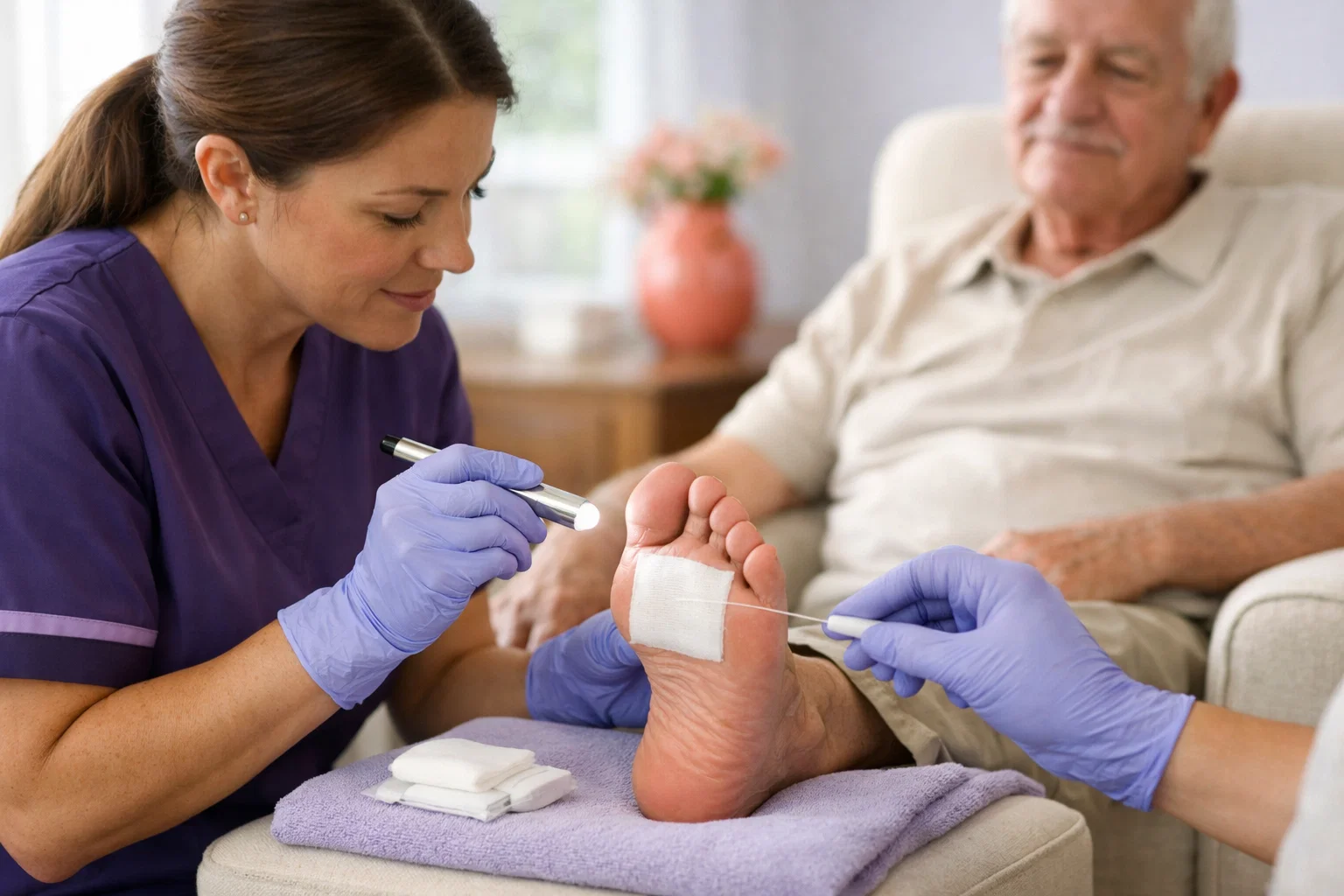

The Hidden Danger of Diabetic Foot Complications
Diabetic foot ulcers represent one of the most serious and common complications affecting people living with diabetes. These open sores, typically occurring on the bottom of the foot, affect approximately 15 percent of diabetics at some point during their lifetime and account for more hospitalizations than any other diabetes complication.
Understanding how diabetic foot ulcers develop, recognizing early warning signs, and knowing treatment options empowers patients and families to take proactive steps toward prevention and early intervention. With proper care and vigilance, many diabetic foot ulcers can be prevented, and those that do occur can be successfully treated before serious complications develop.
This comprehensive guide explains everything you need to know about diabetic foot ulcers, from the underlying causes to the professional treatment approaches that promote healing and prevent recurrence.
How Diabetes Leads to Foot Ulcers
The connection between diabetes and foot ulcers involves multiple physiological changes that create a perfect storm for wound development and impaired healing.
Peripheral Neuropathy
High blood sugar levels over time damage the nerves in the feet and legs, a condition called diabetic peripheral neuropathy. This nerve damage reduces or eliminates sensation, meaning patients cannot feel pain that would normally alert them to problems.
Without protective sensation, minor injuries go unnoticed. A small cut, blister, or pressure point that a person with normal sensation would immediately address may continue causing damage for days or weeks before a diabetic patient discovers the problem. By the time the wound is noticed, significant tissue damage may have occurred.
Neuropathy also affects motor nerves controlling foot muscles, leading to deformities that create abnormal pressure points. Hammertoes, bunions, and altered foot shape increase friction and pressure in areas not designed to bear these forces, predisposing those areas to breakdown.
Poor Circulation
Diabetes accelerates atherosclerosis, the buildup of plaque in blood vessels. Peripheral artery disease reduces blood flow to the feet, depriving tissues of oxygen and nutrients essential for health and healing.
Compromised circulation means wounds receive insufficient resources to heal normally. White blood cells that fight infection cannot reach wound sites in adequate numbers. The building blocks for new tissue arrive too slowly. What would be a minor injury in someone with normal circulation becomes a chronic, non-healing wound in a patient with diabetic vascular disease.
Impaired Immune Function
Elevated blood sugar levels impair immune system function, reducing the body ability to fight infection. White blood cells become less effective at identifying and destroying bacteria. This immunocompromise allows infections to establish and spread more easily than they would in non-diabetic individuals.
The combination of reduced sensation, poor circulation, and impaired immunity creates conditions where minor foot injuries progress rapidly to serious ulcers and infections that threaten limbs and lives.
Recognizing Diabetic Foot Ulcers
Early identification of foot problems allows intervention before minor issues become major complications. Diabetic patients and their caregivers should conduct regular foot inspections and know what to look for.
Early Warning Signs
Watch for these indicators that may signal developing problems or early-stage ulcers.
- Redness or discoloration on any part of the foot
- Swelling in the foot, ankle, or lower leg
- Warmth in one area compared to surrounding tissue
- Calluses, especially those with discoloration or bleeding beneath
- Cracks or fissures in the skin, particularly around the heel
- Blisters or areas where skin appears damaged
- Any break in the skin, no matter how small
- Drainage or moisture on socks without known cause
- Unusual odor from the feet
Ulcer Characteristics
Diabetic foot ulcers typically appear as open sores with the following characteristics.
- Commonly located on the ball of the foot or bottom of the big toe
- May appear as a crater with raised borders
- Wound bed may show red, pink, yellow, or black tissue
- Surrounding skin often shows callus formation
- May produce drainage ranging from clear to purulent
- Often painless due to neuropathy, which can mask severity
The absence of pain does not indicate the wound is minor. Painless ulcers in diabetic patients often represent serious wounds requiring immediate professional attention.
Complications of Untreated Diabetic Foot Ulcers
Without proper treatment, diabetic foot ulcers can progress to devastating complications. Understanding these risks underscores the importance of early intervention and consistent professional care.
Infection
Open wounds provide entry points for bacteria. Diabetic foot infections can progress rapidly from superficial involvement to deep tissue infection, abscess formation, and bone infection (osteomyelitis). Infected ulcers require aggressive treatment with antibiotics and often surgical intervention.
Gangrene
When blood supply is severely compromised, tissue death (gangrene) may occur. Gangrenous tissue cannot recover and must be surgically removed. Wet gangrene involving bacterial infection represents a medical emergency requiring immediate intervention.
Amputation
Diabetic foot ulcers precede approximately 85 percent of diabetes-related lower extremity amputations. When infection, gangrene, or non-healing wounds threaten the patient life or cannot be controlled with other treatments, amputation may become necessary to save the patient.
The progression from ulcer to amputation is not inevitable. With proper treatment and patient engagement, most diabetic foot ulcers can be healed and limbs preserved.
Professional Treatment for Diabetic Foot Ulcers
Effective diabetic foot ulcer treatment requires a comprehensive approach addressing multiple factors simultaneously. Professional wound care from trained specialists significantly improves outcomes compared to self-treatment or general medical care alone.
Wound Assessment and Classification
Treatment begins with thorough assessment of the wound and contributing factors. Clinicians evaluate wound size, depth, tissue characteristics, signs of infection, and vascular status. Classification systems help predict healing likelihood and guide treatment intensity.
Assessment also identifies factors impeding healing that must be addressed. Blood sugar control, nutritional status, pressure relief, and vascular supply all influence treatment planning and expected outcomes.
Debridement
Removal of dead, damaged, and infected tissue through debridement is fundamental to diabetic wound healing. Dead tissue harbors bacteria, prevents healthy tissue growth, and delays wound closure.
Debridement methods include sharp debridement using surgical instruments, enzymatic debridement using topical agents, mechanical debridement using specialized dressings, and autolytic debridement using moisture-retentive dressings. The appropriate method depends on wound characteristics, patient factors, and clinical setting.
Infection Management
Infected wounds require antimicrobial treatment guided by wound cultures identifying causative organisms. Mild infections may respond to oral antibiotics and topical antimicrobials. Moderate to severe infections typically require intravenous antibiotics and may necessitate hospitalization.
Signs of infection requiring immediate medical attention include fever, rapidly spreading redness, severe swelling, foul odor, and purulent drainage. Infected diabetic foot ulcers can progress to life-threatening sepsis without prompt treatment.
Offloading and Pressure Relief
Continued pressure on a wound prevents healing regardless of other treatments. Offloading strategies reduce or eliminate pressure on the ulcer site, allowing tissue repair to proceed.
Offloading approaches include total contact casting, removable cast walkers, therapeutic shoes, custom orthotics, and bedrest for severe cases. The most effective approach depends on ulcer location, patient mobility, and adherence capabilities.
Advanced Wound Care Dressings
Modern wound care utilizes sophisticated dressings designed to create optimal healing environments. Different dressing types address specific wound characteristics and healing phase requirements.
- Foam dressings absorb drainage while maintaining moisture balance
- Hydrogel dressings add moisture to dry wounds and support debridement
- Alginate dressings manage heavily draining wounds
- Antimicrobial dressings reduce bacterial burden
- Collagen dressings support tissue regeneration
- Negative pressure wound therapy removes fluid and promotes granulation
Skilled wound care nurses select and apply appropriate dressings based on wound assessment findings, adjusting the approach as the wound progresses through healing stages.
Blood Sugar Control
Elevated blood glucose impairs healing and increases infection risk. Optimizing glycemic control supports wound healing and reduces complication rates. Patients with poorly controlled diabetes may require medication adjustments, dietary changes, or more intensive glucose monitoring during wound treatment.
Vascular Assessment and Intervention
Wounds in patients with significant vascular disease may not heal without restoring adequate blood flow. Vascular studies assess arterial supply to the affected extremity. When significant blockages are identified, revascularization procedures may be necessary before wound healing can proceed.
The Role of Home Health in Diabetic Wound Care
Many diabetic foot ulcers can be successfully managed at home with professional support from skilled nursing through home health services. Home-based wound care offers significant advantages for appropriate patients.
Benefits of Home-Based Care
Receiving wound care at home provides multiple advantages for diabetic patients.
- Treatment in familiar, comfortable surroundings reduces stress
- Eliminates transportation challenges for patients with mobility limitations
- Reduces exposure to infections present in clinical settings
- Allows more frequent professional assessment than clinic-based care typically provides
- Enables observation of the actual home environment where self-care occurs
- Facilitates family caregiver education and involvement
- Supports better adherence through relationship building with consistent care providers
What Home Health Wound Care Includes
Home health wound care nurses provide comprehensive services addressing all aspects of diabetic wound management.
- Thorough wound assessment and documentation at each visit
- Professional debridement as needed and within scope of practice
- Appropriate dressing selection and application
- Infection monitoring and early intervention
- Patient and caregiver education on wound care, nutrition, and blood sugar management
- Coordination with physicians, podiatrists, and vascular specialists
- Offloading assessment and device fitting support
- Foot care education to prevent future wounds
Preventing Diabetic Foot Ulcers
Prevention represents the most effective strategy for avoiding the devastating consequences of diabetic foot ulcers. Daily attention to foot care and regular professional monitoring significantly reduce ulcer development risk.
Daily Foot Care Practices
Incorporate these practices into daily routines to protect diabetic feet.
- Inspect feet thoroughly every day, using a mirror to see the bottom
- Wash feet daily with mild soap and warm water, drying carefully between toes
- Apply moisturizer to prevent dry, cracking skin, avoiding between toes
- Trim toenails straight across and file sharp edges
- Never walk barefoot, even indoors
- Wear properly fitted shoes and clean, dry socks at all times
- Check inside shoes for objects or rough areas before putting them on
- Avoid extreme temperatures including hot pavement, heating pads, and hot water
Professional Foot Care
Regular professional foot examinations complement daily self-care.
- See a podiatrist regularly for comprehensive foot assessments
- Have calluses and corns treated professionally rather than self-treating
- Obtain properly fitted diabetic shoes and custom orthotics if recommended
- Address any foot deformities or structural problems promptly
- Report any changes or concerns to healthcare providers immediately
Blood Sugar Management
Maintaining optimal blood glucose control reduces neuropathy progression and supports overall foot health.
- Monitor blood sugar regularly as directed by your healthcare provider
- Take diabetes medications consistently as prescribed
- Follow dietary recommendations for carbohydrate management
- Maintain regular physical activity appropriate for your condition
- Attend regular diabetes management appointments
When to Seek Immediate Care
Certain situations require urgent professional attention. Do not delay seeking care if you experience any of the following.
- Any new wound or sore on the foot, regardless of size
- Signs of infection including redness, swelling, warmth, drainage, or odor
- Fever accompanying a foot wound
- Black or darkened skin on any part of the foot
- Severe pain in the foot or leg
- A wound that is not improving or is worsening despite treatment
- Inability to bear weight on the affected foot
Early intervention for diabetic foot problems produces dramatically better outcomes than delayed treatment. Never assume a foot wound is minor or will heal on its own.
Living Well with Diabetes
Diabetic foot ulcers are serious but largely preventable complications. With diligent self-care, regular professional monitoring, and prompt attention to any problems that arise, most diabetic patients can maintain healthy feet throughout their lives.
If you or a loved one is living with diabetes, make foot care a daily priority. Establish relationships with healthcare providers experienced in diabetic foot care, including podiatrists and wound care specialists. Know the warning signs that require immediate attention and never hesitate to seek help when concerns arise.
For patients who develop diabetic foot ulcers despite preventive efforts, professional wound care services provide the expert treatment needed to achieve healing and prevent recurrence. With comprehensive care addressing all factors contributing to wound development and impaired healing, most diabetic foot ulcers can be successfully resolved.
Your feet carry you through life. Protecting them through attentive care and prompt treatment of any problems ensures they continue serving you well for years to come.


