
 Wound Care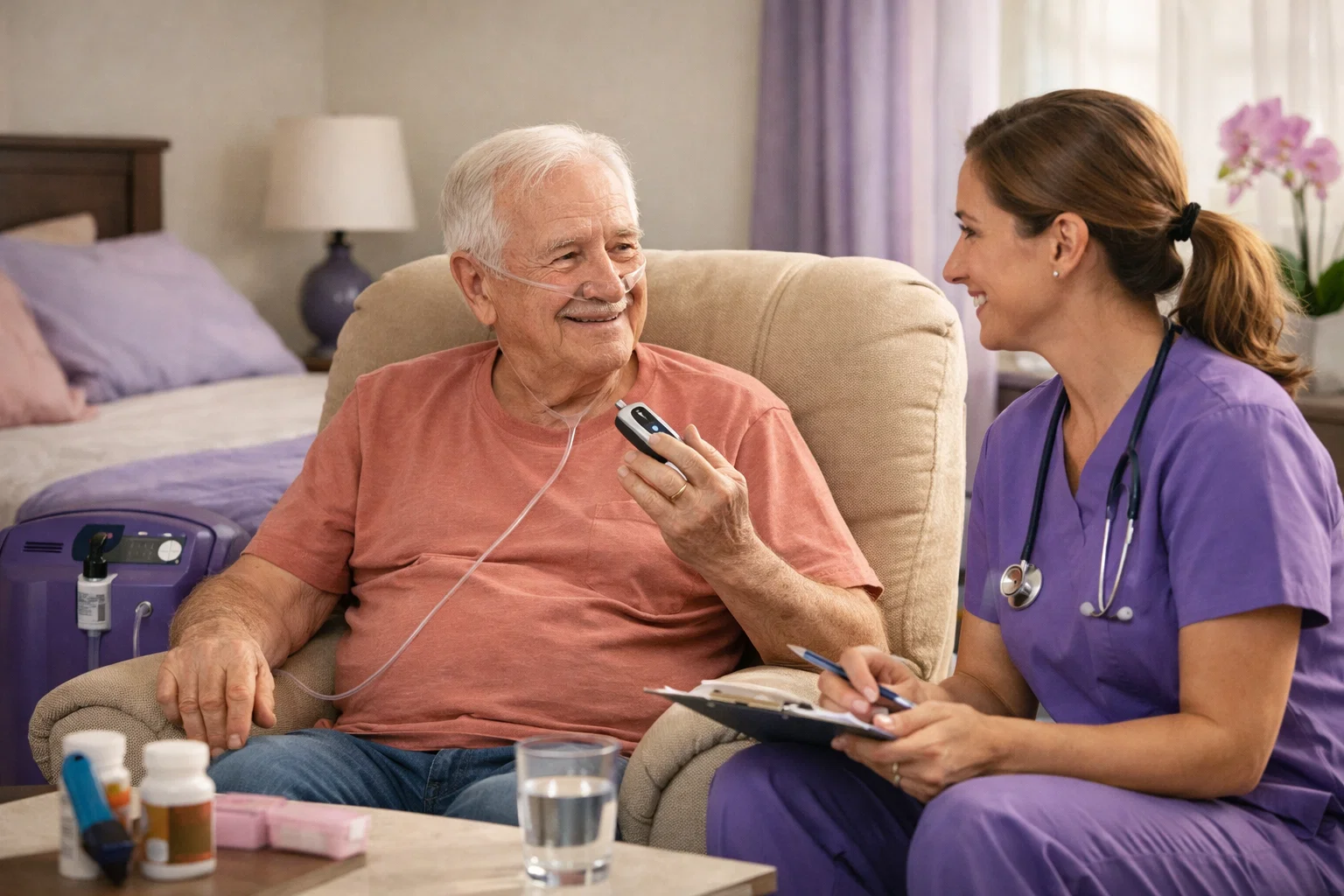

Living Well With COPD
Chronic Obstructive Pulmonary Disease (COPD) affects millions of Americans and is a leading cause of hospitalization among older adults. While there is no cure for COPD, proper management can significantly improve quality of life, reduce symptoms, and prevent the flare-ups that often lead to emergency room visits.
Skilled nursing support at home provides the medical oversight and education that helps COPD patients breathe easier and stay out of the hospital. HarvardCare at Home offers specialized respiratory care throughout Los Angeles County.
Understanding COPD Management Challenges
COPD management is complex, involving multiple medications, breathing techniques, oxygen therapy, and lifestyle modifications. Many patients struggle to keep track of their treatment regimen or recognize when their condition is worsening until it becomes a crisis.
The progressive nature of COPD also means that management needs change over time, requiring ongoing assessment and adjustment of the care plan. Read about how professional home care prevents hospitalizations.
How Skilled Nursing Helps COPD Patients
A skilled nurse provides comprehensive support for COPD management in your home. This includes respiratory assessments to monitor lung function, education on proper inhaler and nebulizer techniques, oxygen therapy management and safety, medication review and optimization, and recognition of early warning signs of exacerbations.
Your nurse serves as a vital link between you and your pulmonologist, communicating changes in your condition and ensuring your treatment plan stays current. Learn about what to expect from home health visits.
Medication Management for COPD
COPD patients often take multiple inhaled medications, including bronchodilators and corticosteroids, along with oral medications. Using these medications correctly is essential for their effectiveness, yet studies show many patients use their inhalers incorrectly.
Your skilled nurse will observe your technique and provide hands-on training to ensure you get the full benefit of your medications. Our medication management services help you understand which medications are for daily maintenance versus rescue use during breathing emergencies.
Oxygen Therapy at Home
Many COPD patients require supplemental oxygen, either continuously or during activity and sleep. Proper use of oxygen equipment is critical for both safety and effectiveness.
Your nurse will ensure your oxygen is set at the prescribed flow rate, teach you how to care for your equipment, and review safety precautions. They will also monitor your oxygen levels and communicate with your doctor if adjustments are needed. Our home safety evaluation can identify additional safety considerations.
Breathing Techniques and Energy Conservation
Learning to breathe more efficiently can dramatically improve daily life for COPD patients. Techniques like pursed-lip breathing and diaphragmatic breathing help reduce shortness of breath and anxiety during activities.
Your home health team can also teach energy conservation strategies that allow you to complete daily tasks without becoming exhausted. Occupational therapy provides additional training on activities of daily living with limited energy.
Preventing COPD Exacerbations
COPD flare-ups, or exacerbations, are episodes of worsened symptoms that often require hospitalization. These events can cause permanent decline in lung function, making prevention a top priority.
Your skilled nurse will teach you to recognize early warning signs of an exacerbation, such as increased shortness of breath, changes in mucus color or amount, fever, or increased fatigue. Early intervention with your action plan can often prevent a trip to the emergency room.
Creating a COPD Action Plan
A COPD action plan is a written guide that tells you what to do when your symptoms change. It typically uses a color-coded system: green for good days when you follow your regular routine, yellow for warning signs that require specific actions, and red for emergencies requiring immediate medical attention.
Your nurse will help you create and understand your action plan, ensuring you feel confident managing your symptoms at home. Caregiver training can help family members support you in following this plan.
Staying Active With COPD
Physical activity is important for maintaining strength and lung function, even with COPD. Home health physical therapists can design an exercise program appropriate for your fitness level and breathing capacity.
Starting slowly and building gradually, you can improve your endurance and reduce breathlessness during daily activities. Your therapist will teach you how to pace yourself and recover quickly when you become short of breath. Learn how physical therapy benefits seniors.
When to Call for Help
Knowing when to seek help is crucial for COPD patients. Contact your home health nurse or doctor if you notice your symptoms worsening despite following your action plan. Call 911 immediately if you experience severe breathing difficulty, confusion, bluish lips or fingernails, or chest pain.
With proper support and education, most COPD patients can manage their condition effectively at home and enjoy a better quality of life. Contact HarvardCare at Home to learn about our respiratory care services or view our complete service list.
