

 Wound Care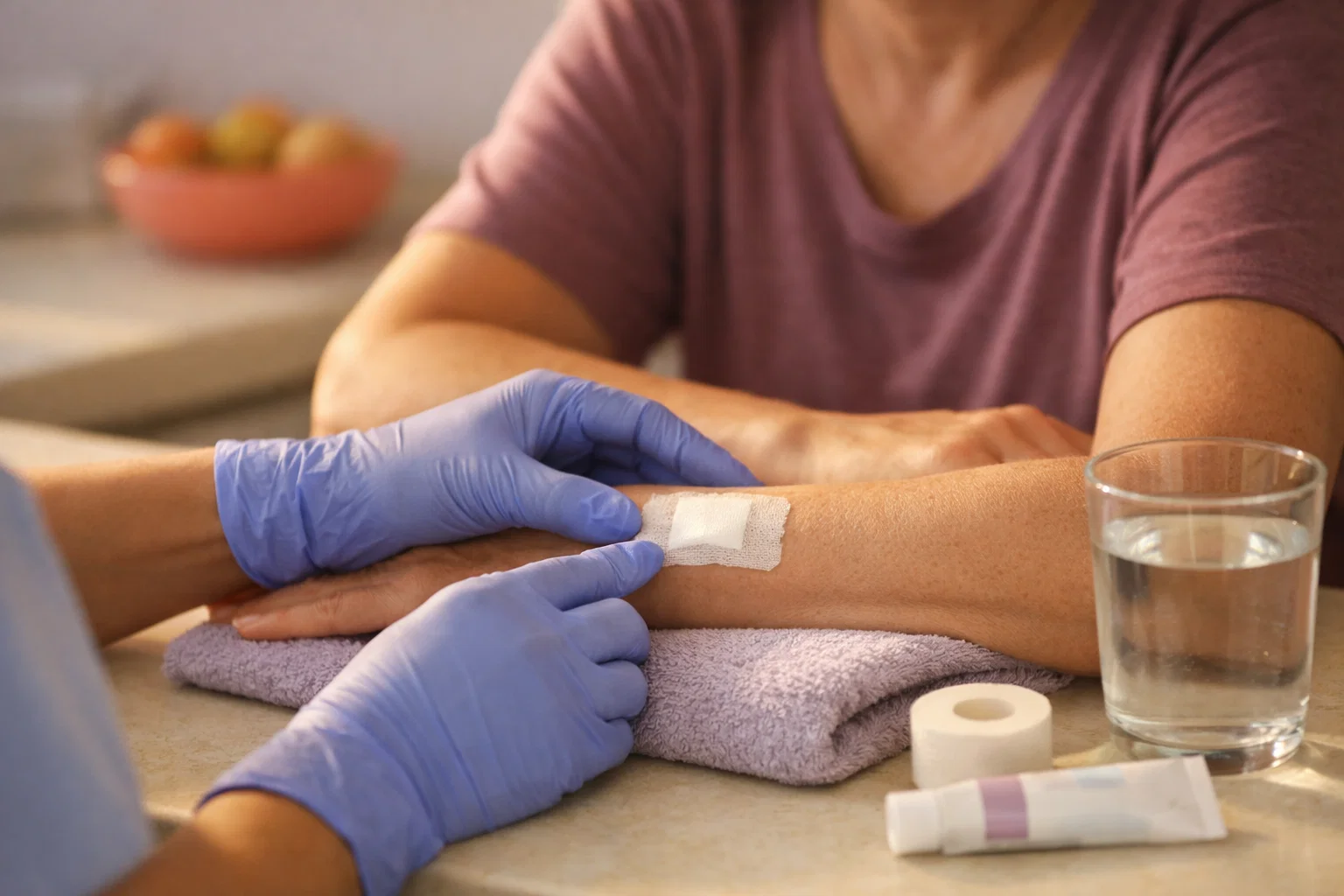

You just had surgery, and now you’re staring at your incision wondering how long this healing process will take. Whether you underwent a knee replacement, abdominal surgery, or cardiac procedure, one question dominates your mind: how can I make my incision heal faster?
The good news? You have significant control over your healing timeline. The choices you make in the days and weeks following surgery directly impact how quickly your incision closes, how well the scar forms, and whether you avoid complications like infection or dehiscence. Our wound care nurses help patients throughout Los Angeles County optimize their surgical recovery every day, and we’ve compiled the most effective strategies into this comprehensive guide.
Understanding How Surgical Incisions Heal
Before diving into acceleration strategies, you need to understand what your body does when healing an incision. Surgical wound healing occurs in four distinct phases, and each phase requires specific conditions to proceed efficiently.
The hemostasis phase begins immediately after surgery. Your blood clots at the incision site, creating a temporary seal. This phase typically completes within minutes to hours. The inflammatory phase follows, lasting three to five days. Your immune system sends white blood cells to the area, causing the redness, warmth, and mild swelling you notice around your incision. This inflammation signals healthy immune activity, not infection.
The proliferation phase spans from day three through week three. Your body builds new tissue, deposits collagen, and contracts the wound edges closer together. Finally, the remodeling phase continues for months or even years as your body reorganizes collagen fibers and strengthens the scar tissue. Understanding these phases helps you recognize normal healing versus concerning changes that warrant attention from post-surgical wound care specialists.
Keep Your Incision Clean and Protected
Proper wound hygiene forms the foundation of fast incision healing. Your surgeon provided specific instructions about when you can shower and how to care for your incision site. Follow these instructions precisely, as they account for your specific procedure and closure method.
When you receive clearance to shower, use lukewarm water and mild, fragrance-free soap around the incision area. Avoid scrubbing the incision directly. Let soapy water run over it gently, then pat the area completely dry with a clean towel. Moisture trapped against your incision creates an environment where bacteria thrive and healing slows.
Between showers, keep your incision covered with the dressings your surgical team recommended. Many patients wonder if wounds heal faster when exposed to air. Modern wound care science confirms that covered wounds actually heal faster than uncovered ones. The covering maintains optimal moisture balance and protects against contamination. Professional wound dressing changes ensure you use the right products and techniques for your specific incision type.
Optimize Your Nutrition for Wound Healing
Your body requires specific nutrients to build new tissue and close your incision. Without adequate nutritional support, even the cleanest surgical wound heals slowly. Protein stands as the most critical macronutrient for wound healing. Your body uses amino acids from protein to synthesize collagen, the primary structural component of scar tissue.
Aim for 1.2 to 1.5 grams of protein per kilogram of body weight daily during active wound healing. For a 150-pound person, this translates to approximately 80 to 100 grams of protein per day. Include lean meats, fish, eggs, dairy, legumes, and nuts at every meal. If appetite loss makes eating difficult, consider protein shakes or supplements after consulting your healthcare provider.
Vitamin C plays an equally vital role in incision healing. Your body cannot produce collagen without adequate vitamin C. Citrus fruits, strawberries, bell peppers, broccoli, and tomatoes provide excellent vitamin C sources. Zinc supports immune function and protein synthesis, both essential for wound closure. Oysters, beef, pumpkin seeds, and chickpeas deliver bioavailable zinc.
Vitamin A supports epithelialization, the process of new skin cells covering your incision. Sweet potatoes, carrots, spinach, and eggs contain vitamin A precursors. Stay well-hydrated by drinking at least eight glasses of water daily, as dehydration slows all aspects of tissue repair.
Avoid Smoking and Limit Alcohol
If you smoke, stopping before and after surgery represents the single most impactful change you can make to accelerate incision healing. Nicotine constricts blood vessels, dramatically reducing oxygen and nutrient delivery to your healing tissues. Smokers experience wound healing rates 30 to 50 percent slower than non-smokers and face significantly higher infection risks.
The carbon monoxide in cigarette smoke compounds this problem by binding to hemoglobin and further reducing oxygen transport. Even secondhand smoke exposure slows wound healing measurably. Most surgeons recommend stopping smoking at least four weeks before elective surgery and remaining smoke-free for at least four weeks after. For incision healing, longer abstinence produces better outcomes.
Alcohol also impairs wound healing through multiple mechanisms. It suppresses immune function, interferes with blood clotting, causes dehydration, and disrupts sleep quality. Limit alcohol consumption during your recovery period, and avoid it entirely during the first week after surgery when healing processes demand maximum physiological resources.
Get Quality Sleep Every Night
Your body performs most tissue repair during sleep. Growth hormone secretion peaks during deep sleep stages, and this hormone directly stimulates collagen production and cellular regeneration. Chronic sleep deprivation measurably slows wound healing and increases infection susceptibility.
Aim for seven to nine hours of quality sleep nightly during your recovery. Create a sleep-conducive environment by keeping your bedroom cool, dark, and quiet. Establish a consistent sleep schedule, going to bed and waking at the same times daily. Avoid screens for at least one hour before bedtime, as blue light disrupts melatonin production.
Pain often interferes with sleep after surgery. Take prescribed pain medications as directed to maintain comfort through the night. Position yourself carefully to avoid pressure on your incision site. Some patients find that elevating the surgical area with pillows improves both comfort and circulation during sleep.
Manage Your Blood Sugar Carefully
Elevated blood glucose levels significantly impair incision healing regardless of whether you have diagnosed diabetes. High blood sugar damages small blood vessels, reduces oxygen delivery to tissues, impairs white blood cell function, and increases infection risk. Even temporary post-surgical glucose elevations slow wound closure.
If you have diabetes, work closely with your healthcare team to maintain tight glucose control during recovery. Monitor your blood sugar more frequently than usual and adjust medications as directed. Our diabetic wound care specialists frequently help patients optimize glucose management alongside wound treatment.
Even without diabetes, avoid sugary foods and refined carbohydrates during your recovery period. These cause blood sugar spikes that temporarily impair immune function and healing capacity. Choose complex carbohydrates, lean proteins, and vegetables to maintain stable glucose levels throughout the day.
Follow Activity Restrictions Precisely
Your surgical team provided specific activity restrictions for good reason. Excessive movement, stretching, or strain on your incision can pull wound edges apart, disrupt newly forming tissue, and cause dehiscence—a serious complication where your incision opens. At the same time, complete immobility slows healing by reducing circulation.
Follow your restrictions exactly as prescribed. If your surgeon said no lifting over ten pounds for six weeks, that means no lifting over ten pounds for the full six weeks—not five weeks because you feel fine. Premature activity represents one of the most common causes of delayed incision healing and wound complications.
Within your restrictions, gentle movement and walking typically support healing by improving circulation without stressing the incision. Ask your surgeon specifically what activities benefit your recovery and what to avoid. Physical therapy often helps patients recover mobility safely while protecting surgical sites.
Protect Your Incision From Sun Exposure
Ultraviolet radiation damages healing tissue and causes permanent darkening of surgical scars. New scar tissue lacks the pigment-regulating capabilities of mature skin, making it extremely vulnerable to sun damage and discoloration.
Keep your incision completely covered when outdoors for at least the first year after surgery. If the incision location makes covering impractical, apply broad-spectrum SPF 30 or higher sunscreen once your surgeon confirms the wound has fully closed. Reapply sunscreen every two hours during sun exposure.
Even after a year, your scar remains more sensitive to sun damage than surrounding skin. Continued sun protection helps scars fade to their lightest possible color and prevents the permanent hyperpigmentation that many patients find cosmetically concerning.
Watch for Warning Signs of Infection
Incision infections delay healing dramatically and can become serious medical emergencies. Catching infection early allows for prompt treatment before complications develop. Know the warning signs and contact your healthcare provider immediately if you observe them.
Increasing redness that spreads beyond the incision edges suggests infection. Some redness directly along the incision line is normal, but expanding redness is not. Increased pain after initial improvement often signals infection, especially if accompanied by fever above 100.4°F. Cloudy, foul-smelling, or colored drainage from the incision requires immediate evaluation.
Red streaks extending from the incision toward your heart indicate potential blood infection and require emergency care. Wound edges separating, especially with tissue visible beneath, constitute dehiscence and need immediate medical attention. If you notice concerning changes, don’t wait to see if they improve. Early intervention prevents minor infections from becoming major complications. Our wound care team can evaluate concerning incisions and coordinate with your surgical team.
Consider Professional Wound Care Support
Some incisions benefit from professional wound care beyond standard post-operative follow-up. If you have diabetes, compromised immunity, circulation problems, or a history of poor wound healing, professional wound care services accelerate recovery and prevent complications.
Wound care nurses assess your incision at each visit, identify early signs of problems, perform specialized dressing changes, and coordinate with your surgical team. They also provide detailed education on caring for your specific wound type at home between visits.
Residents throughout Beverly Hills, Pasadena, Glendale, Santa Monica, Burbank, Long Beach, Torrance, and Encino access our skilled nursing services for post-surgical wound support. Home-based care eliminates the stress and infection risk of traveling to appointments during vulnerable recovery periods.
Use Appropriate Scar Management Techniques
Once your incision fully closes—typically two to three weeks after surgery—you can begin scar management to optimize final appearance. Silicone sheets or gels represent the gold standard in scar treatment with strong evidence supporting their effectiveness.
Apply silicone products as directed, usually for 12 to 24 hours daily for at least three months. Silicone maintains optimal moisture balance in scar tissue, reduces collagen overproduction, and helps scars mature flatter and softer. Many patients see significant improvement with consistent silicone use.
Gentle massage can help once your incision has fully healed. Using clean fingers and a small amount of vitamin E oil or moisturizer, massage the scar in circular motions for several minutes daily. Massage breaks up excess collagen deposits, improves circulation, and helps the scar flatten and soften over time. Wait until any scabs have fallen off naturally before beginning massage.
Take Medications as Prescribed
Your post-operative medications serve specific purposes in supporting healing. Antibiotics, if prescribed, prevent or treat bacterial infections that would otherwise delay healing significantly. Complete the entire antibiotic course even if your incision looks perfect—stopping early allows resistant bacteria to survive and potentially cause later infection.
Pain medications allow you to rest comfortably, sleep well, move appropriately, and eat adequately—all factors that support wound healing. Undertreating pain often backfires by disrupting the rest and nutrition your body needs to heal. Take pain medications as prescribed rather than trying to tough it out.
Blood thinners require special attention after surgery. These medications prevent dangerous clots but can also increase bleeding at your incision site. Follow your healthcare provider’s specific instructions about timing, dosing, and monitoring. Our medication management services help patients navigate complex post-surgical medication regimens safely.
When to Seek Professional Help
Most surgical incisions heal uneventfully with proper home care. However, certain situations warrant professional evaluation. Contact your surgeon or seek wound care support if your incision shows signs of infection, separates or opens, develops excessive drainage, or fails to show healing progress after two weeks.
Patients with diabetes, peripheral vascular disease, obesity, malnutrition, or immune system conditions face higher risks of complicated healing and benefit from proactive professional monitoring. Similarly, incisions in high-tension areas like joints or the abdomen may require specialized care to prevent complications.
Don’t hesitate to seek help if something seems wrong. Your instincts about your own body often prove accurate. Early intervention for wound problems produces far better outcomes than waiting until complications advance. Contact HarvardCare at Home to discuss your post-surgical wound care needs with our experienced nursing team.
Your Healing Timeline
With optimal care, most surgical incisions close within two to three weeks. However, complete healing—including scar maturation—takes 12 to 18 months. During this extended period, your scar continues strengthening, flattening, and fading. The initial pink or red color gradually transitions to a lighter shade closer to your natural skin tone.
Individual healing timelines vary based on age, overall health, incision location, surgical technique, and how well you follow post-operative care instructions. Younger patients typically heal faster than older patients. Well-nourished, non-smoking patients with controlled blood sugar heal faster than those with risk factors.
Focus on what you can control: excellent nutrition, adequate sleep, careful wound hygiene, activity compliance, and vigilant monitoring for problems. These factors maximize your personal healing potential and help your incision close as quickly as your body allows.
