 HarvardCare at Home
  Wound Care
 Skilled Nursing Care
 Physical Therapy
 Occupational Therapy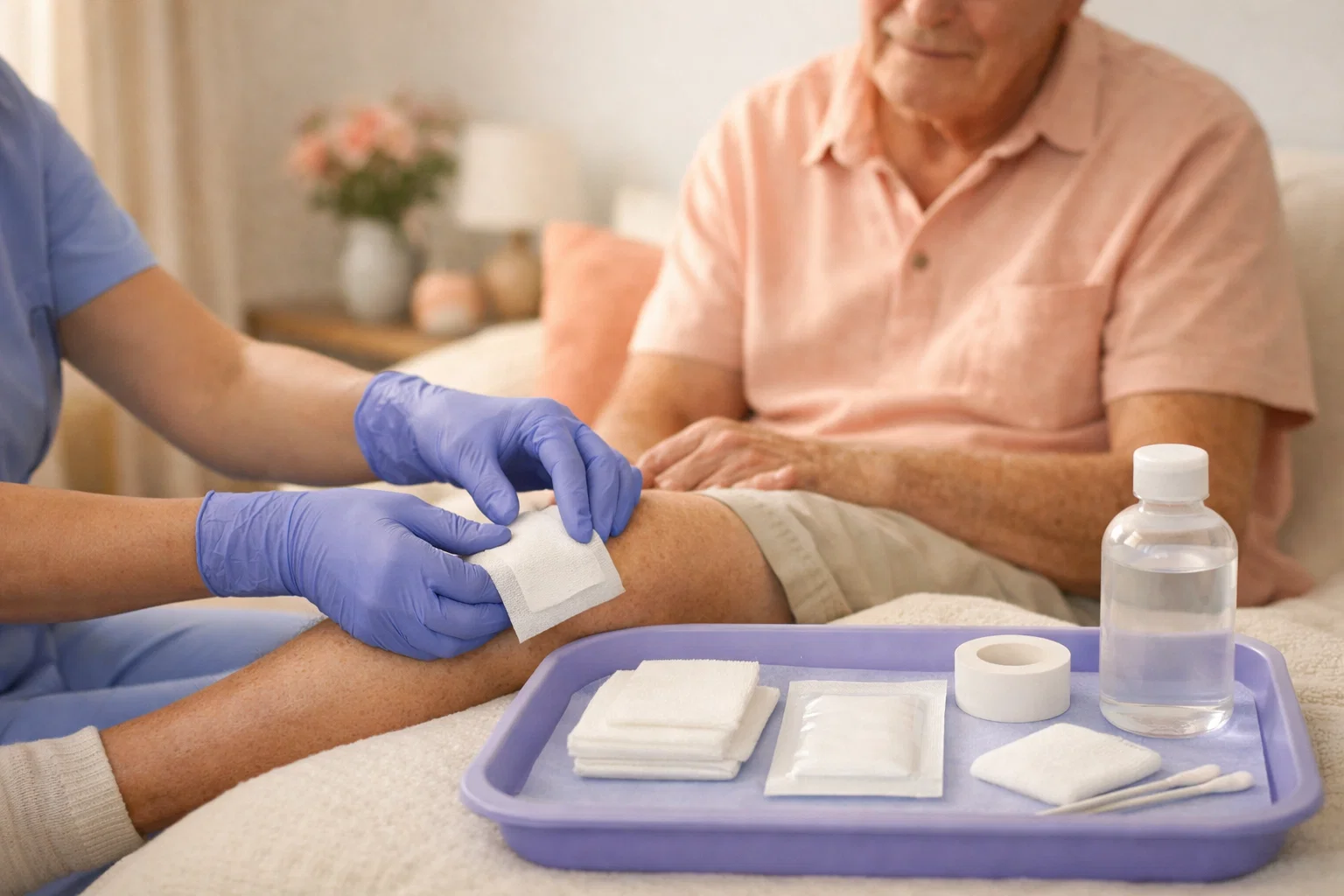

Taking Care of Your Surgical Incision
Proper surgical wound care is essential for preventing infection, promoting healing, and achieving the best possible outcome after surgery. While your surgical team manages wound care during hospitalization, the responsibility shifts to you and your caregivers once you return home.
Understanding how to care for your surgical wound correctly gives you confidence during recovery and helps you recognize when professional attention is needed. This guide provides step-by-step instructions for surgical wound care along with guidance on monitoring healing progress and identifying potential complications.
Every surgical wound is different, and your surgeon may provide specific instructions that supersede general guidelines. Always follow your healthcare team individualized recommendations for your particular situation.
Understanding Your Surgical Wound
Before beginning wound care, understanding how surgical wounds heal helps you know what to expect and why certain care practices matter.
Types of Surgical Wound Closure
Surgeons close incisions using various methods depending on wound location, depth, and other factors.
Sutures (Stitches)
Traditional sutures involve thread material sewn through skin edges to hold them together. Some sutures dissolve on their own while others require removal at a follow-up appointment.
Staples
Metal staples close some surgical wounds, particularly longer incisions. Staples require removal by a healthcare provider, typically within 7 to 14 days.
Adhesive Strips
Thin adhesive strips (Steri-Strips) may be used alone for superficial wounds or over sutures for additional support. These typically fall off on their own as healing progresses.
Skin Glue
Surgical adhesive creates a protective seal over some wounds. The glue gradually flakes off as the wound heals beneath it.
The Healing Process
Surgical wounds heal through predictable phases. Initially, the wound edges are held together by closure materials. Over days to weeks, the body forms new tissue connecting wound edges and eventually creates scar tissue that strengthens over months.
Understanding this process helps you recognize normal healing versus problems requiring attention.
General Wound Care Principles
Certain principles apply to most surgical wound care regardless of wound type or location.
Keep the Wound Clean
Cleanliness prevents infection, the most common wound complication. Wash your hands thoroughly before and after any wound contact. Keep the wound area clean according to your surgeon instructions.
Keep the Wound Dry
Most surgical wounds should stay dry for the first 24 to 48 hours. After that, brief water exposure during showering is usually acceptable, but soaking in baths, pools, or hot tubs should be avoided until cleared by your surgeon.
Protect the Wound
Keep the wound covered as directed to protect it from contamination and trauma. Avoid activities that stress the incision or could cause injury to the area.
Monitor for Problems
Regular observation helps catch complications early when they are easier to treat. Know the warning signs requiring medical attention.
Step-by-Step Wound Care
Follow these steps for routine surgical wound care, modified as directed by your healthcare team.
Step 1: Gather Supplies
Before beginning, collect everything you need. This typically includes clean washcloth or gauze, mild soap if directed to clean the wound, clean towel, fresh dressings if wound is being covered, medical tape if needed, and clean gloves if preferred.
Step 2: Wash Your Hands
Thorough handwashing is the most important infection prevention measure. Wash with soap and water for at least 20 seconds, cleaning all surfaces including between fingers and under nails. Dry with a clean towel.
Step 3: Remove Old Dressing
If your wound has a dressing, carefully remove it. If the dressing sticks, moisten it with clean water to loosen it rather than pulling it off dry. Dispose of the old dressing in a plastic bag.
Step 4: Assess the Wound
Before cleaning, look at the wound and surrounding area. Note the appearance so you can track changes over time. Look for signs of normal healing, including edges coming together, decreasing redness, and reduced drainage, as well as warning signs discussed later in this guide.
Step 5: Clean the Wound
Follow your surgeon specific instructions for cleaning. General guidelines include using mild soap and water if directed, cleaning gently without scrubbing, rinsing thoroughly to remove all soap, and patting dry with a clean towel rather than rubbing.
Some wounds should not be cleaned at home and will be managed by healthcare providers. Follow your specific instructions.
Step 6: Apply New Dressing
If your wound requires covering, apply a fresh dressing. Ensure the dressing completely covers the wound, secure with tape that does not pull on the wound, and apply enough padding to absorb any drainage.
Some wounds are left uncovered after initial healing begins. Follow your surgeon guidance on when covering is no longer needed.
Step 7: Wash Hands Again
After completing wound care, wash your hands again to remove any contamination picked up during the process.
Special Considerations
Certain situations require modified wound care approaches.
Showering with Surgical Wounds
Once cleared by your surgeon, typically after 24 to 48 hours, showering is usually acceptable. Guidelines include keeping showers brief, letting water run over the wound rather than directing spray at it, using mild soap and avoiding scrubbing the wound, patting the wound dry gently afterward, and applying fresh dressing if still being covered.
Wounds with Drains
Some surgeries require drains to remove fluid from the surgical site. Drain care requires specific instructions from your surgical team. General principles include keeping the drain site clean, emptying drain containers as directed, measuring and recording drainage amounts, and securing drain tubing to prevent pulling.
Wound Care After Staple or Suture Removal
After closure materials are removed, continue protecting the healing incision. The wound is not fully healed even though it appears closed. Continue gentle care and protection as directed.
Recognizing Normal Healing
Knowing what normal healing looks like helps you identify problems early.
Normal Findings
Expected observations during healing include mild redness immediately around the incision that gradually decreases, slight swelling that improves over days, mild discomfort that decreases over time, small amount of clear or slightly bloody drainage in first few days, and slight itching as healing progresses.
Healing Timeline
While healing times vary, general expectations include wound edges held together by closure materials in the first few days, surface healing progressing over one to two weeks, closure materials removed if applicable typically between 7 and 14 days, scar continuing to mature for months to a year.
Warning Signs Requiring Attention
Certain signs indicate potential complications requiring prompt medical evaluation. Contact your healthcare provider if you notice any of the following.
Signs of Infection
- Increasing redness spreading from the wound
- Warmth around the incision
- Increasing swelling
- Pus or foul-smelling drainage
- Fever above 100.4 degrees Fahrenheit
- Increasing pain rather than gradual improvement
- Red streaks extending from the wound
Wound Separation
If wound edges separate (dehiscence), this requires medical attention. Small separations may be managed conservatively while larger separations may need intervention.
Excessive Bleeding
While small amounts of bloody drainage are normal initially, significant bleeding or bleeding that resumes after stopping requires evaluation.
Other Concerns
Contact your provider for any concerns about your wound, unexpected changes in appearance, or anything that seems abnormal to you.
When Professional Wound Care Is Needed
Some surgical wounds require professional management beyond what patients can provide independently.
Complex Wounds
Large incisions, wounds in difficult locations, or wounds with complications may need professional wound care services. Skilled nurses can perform complex dressing changes, assess healing progress, and identify problems early.
Home Health Wound Care
Home health agencies provide skilled nursing wound care for patients who need professional support but can recover at home. Services include wound assessment and documentation, dressing changes using appropriate techniques and materials, infection monitoring, patient and caregiver education, and coordination with surgeons about healing progress.
If you are struggling with wound care or concerned about healing, ask your surgeon about home health services.
Supporting Wound Healing
Beyond direct wound care, several factors support optimal healing.
Nutrition
Adequate protein, vitamin C, zinc, and overall nutrition fuel the healing process. Eat a balanced diet with sufficient protein to support tissue repair.
Hydration
Staying well hydrated supports all body functions including healing. Drink adequate fluids unless restricted for medical reasons.
Rest
Your body heals during rest. Get adequate sleep and avoid overexertion during recovery.
Activity as Directed
Follow activity guidelines from your surgeon. Some movement promotes healing while excessive activity can stress the wound.
Avoid Smoking
Smoking significantly impairs wound healing. Abstaining during recovery improves outcomes even for long-term smokers.
Caring for Your Wound Successfully
Proper surgical wound care is an important part of your recovery responsibility. Following care instructions, maintaining cleanliness, monitoring for problems, and seeking help when needed supports the best possible healing outcome.
Do not hesitate to contact your healthcare team with questions or concerns about your wound. Early attention to potential problems produces better results than waiting to see if issues resolve on their own.
With proper care and attention, most surgical wounds heal well, allowing you to return to normal activities and put your surgery behind you.


