
 Wound Care
It is speech-language therapy focused on understanding, word finding, expression, reading, writing, and functional communication in the home setting.
SPEECH THERAPY
Language Therapy at Home
Home-based language therapy for word finding, understanding, expression, caregiver cueing, and everyday communication.
EXCELLENT 


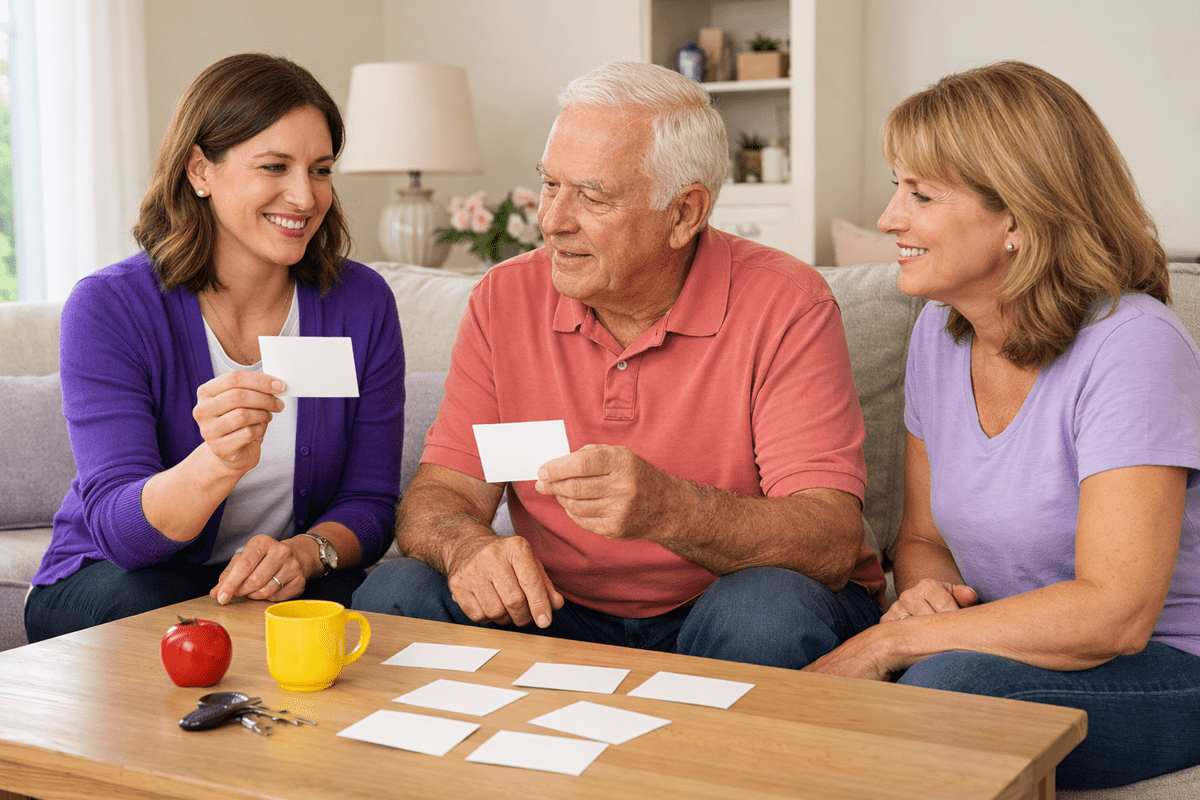
Language changes can make a patient feel isolated even when family is nearby. A person may know what they want to say but struggle to find the word, answer questions, follow a conversation, or explain needs clearly. Families may notice frustration, shorter conversations, repeated misunderstandings, or a patient who avoids speaking because it takes too much effort.
Language therapy at home brings skilled speech-language support into the place where communication matters most. The speech-language pathologist can work with the patient during real routines, family conversations, phone use, medication discussions, meals, and daily decision-making. This helps therapy focus on meaningful communication instead of isolated drills only.
HarvardCare Home Health helps patients and caregivers build practical strategies for clearer expression, better understanding, and more confident participation at home. The goal is not perfect speech in a quiet room. The goal is helping the patient communicate needs, preferences, symptoms, and relationships with more success in daily life.
When language therapy may be needed
Language therapy may be appropriate after stroke, brain injury, neurological illness, hospitalization, cognitive decline, or another medical change that affects communication. Some patients have obvious difficulty speaking. Others speak fluently but use the wrong word, lose track of what was said, or have trouble understanding longer instructions.
- Difficulty finding words during conversation.
- Trouble understanding questions, directions, or medical instructions.
- Using vague words, incorrect words, or incomplete sentences.
- Becoming frustrated, quiet, or withdrawn during conversation.
- Difficulty reading, writing, texting, or using the phone.
- Needing extra time to answer or organize thoughts.
Families sometimes mistake language problems for confusion or lack of effort. A skilled SLP can help identify whether the patient is having trouble with expression, understanding, attention, memory, or several areas at once.
How language problems affect daily life
Language difficulty can affect safety and independence because communication is part of nearly every daily routine. A patient may have trouble reporting pain, explaining a new symptom, asking for help, following discharge instructions, or making choices about meals and care. Miscommunication can also create conflict between patients and caregivers.
At home, language needs are personal. A patient may want to talk with a spouse, call a child, answer the door, tell a nurse what changed, read a medication label with help, or participate in family decisions. Therapy can be shaped around those real goals.
| Home challenge | How language therapy may help |
|---|---|
| Word-finding difficulty | Practice naming, description, gesture, choices, and conversation repair strategies. |
| Trouble understanding | Use shorter instructions, repetition, visual cues, and caregiver pacing. |
| Frustration during conversation | Teach family members how to wait, cue, and support without taking over. |
| Phone or daily communication needs | Build scripts, routines, and strategies for common home conversations. |
What the SLP may work on during home visits
The SLP may assess how the patient understands spoken language, expresses ideas, names objects, follows directions, answers questions, reads, writes, and repairs communication breakdowns. Therapy may include structured practice, but it should connect to what the patient needs at home.
Expression and word finding
The therapist may practice naming, describing, using gestures, choosing between options, building sentences, and using key words. Patients may learn how to pause, describe the word, point, write a first letter, or use a communication support when speech becomes difficult.
Understanding and following information
For patients who have trouble understanding, the SLP may teach caregivers to use shorter phrases, one instruction at a time, repetition, yes-or-no questions, visual cues, and confirmation checks. This can be especially important when discussing safety, medications, meals, or appointments.
Functional conversation
Therapy may include practice with family conversations, common questions, phone calls, greetings, medical symptoms, and daily preferences. The SLP may also help the family reduce background noise and give the patient enough time to respond.
Caregiver communication tips
Caregivers can make language therapy more effective by using consistent support between visits. The goal is to help the patient communicate, not to test them or speak for them automatically.
- Ask one question at a time and wait for the answer.
- Offer choices when open-ended questions are too difficult.
- Confirm the message instead of correcting every word.
- Use gestures, objects, photos, or written key words when helpful.
- Reduce background noise during important conversations.
- Give the patient time before repeating or rephrasing.
Caregiver patience matters. Rushing can make word-finding worse. A calm, predictable communication style can reduce frustration and help the patient stay engaged.
Practice that connects to real communication
Language therapy is most useful when practice connects to the patient actual day. The SLP may help the patient practice words and phrases that matter at home: names of family members, common needs, symptoms, food choices, appointment questions, bathroom needs, and simple safety requests. This kind of practice can feel more meaningful than generic word lists.
The therapist may also help the family build short practice moments into routines that already exist. A patient might practice naming items while setting up a meal, choosing between two shirts, answering a simple phone script, or describing how they feel before a nurse or provider call. These short practice moments can support carryover without making the whole day feel like therapy.
Progress may look different for each patient. For one person, success may mean saying a full sentence. For another, it may mean pointing, gesturing, or using a key word to get the message across. The SLP can help the family recognize those wins and keep communication focused on participation, not perfection.
The SLP may also help the family decide which communication breakdowns are highest priority. For example, reporting pain or asking for help may be addressed before longer social conversations. This keeps therapy focused on safety and daily function first.
As communication improves, goals can expand toward longer conversations, community calls, and more independent participation in care decisions.
Why choose HarvardCare Home Health
HarvardCare Home Health understands that language therapy is about dignity and daily participation. Our home-based approach lets the SLP see the conversations, routines, and communication barriers that matter to the family. Therapy can then focus on practical goals instead of generic worksheets.
When language problems are connected to stroke or thinking changes, related services may also help. Families may review speech therapy at home, in-home speech therapy, stroke rehab at home, cognitive rehab at home, and in-home occupational therapy.
Medicare and home health eligibility note
Language therapy may be available through home health when there is a provider order, a skilled need, and the patient meets requirements such as homebound status. Coverage is not guaranteed. HarvardCare Home Health must review eligibility, documentation, payer requirements, and clinical need before services can begin.
Request language therapy at home
If word finding, understanding, speaking, reading, writing, or daily communication has become difficult, complete the form on this page or call HarvardCare Home Health. The team can review the request and help determine whether home health speech therapy is an appropriate next step.
FAQs
Do you have questions?
Got questions about Language Therapy at Home? Here are answers to what patients and families ask most.
Patients after stroke, brain injury, neurological illness, hospitalization, or cognitive changes may need language therapy when communication is affected.
Language therapy is one part of speech-language pathology. It focuses on understanding and expressing messages, not only speech clarity.
Yes. The SLP may teach naming practice, description strategies, cueing, gestures, choices, and conversation repair methods.
Yes. Caregivers can learn how to ask questions, wait, cue, reduce distractions, and support communication without taking over.
When appropriate, the SLP may address functional reading, writing, texting, or written cues related to daily communication.
Goals are based on the patient condition, provider order, home routines, caregiver concerns, and communication needs.
Coverage is not guaranteed. Home health generally requires a provider order, skilled need, homebound status, and eligibility review.
Yes. Speech therapy may coordinate with occupational therapy, skilled nursing, and the provider when appropriate.
Complete the form on this page or call HarvardCare Home Health so the team can review the request and next steps.
TESTIMONIALS
What Our Patients & Families Say
AREAS WE SERVE
Language Therapy at Home Near You
Our licensed healthcare professionals provide expert care in the comfort of your home. We proudly serve patients and families throughout Los Angeles County.
Serving 279 cities across LA County
- A
- Acton
- Adams-Normandie
- Agoura Hills
- Agua Dulce
- Alhambra
- Alondra Park
- Altadena
- Angelino Heights
- Arcadia
- Arleta
- Arlington Heights
- Artesia
- Arts District
- Atwater Village
- Avocado Heights
- Azusa
- B
- Baldwin Hills
- Baldwin Park
- Bassett
- Beachwood Canyon
- Bel Air
- Bell
- Bell Gardens
- Bellflower
- Beverly Crest
- Beverly Grove
- Beverly Hills
- Beverlywood
- Boyle Heights
- Bradbury
- Brentwood
- Broadway-Manchester
- Burbank
- C
- Calabasas
- Canoga Park
- Canyon Country
- Carson
- Carthay
- Castaic
- Castle Heights
- Central-Alameda
- Century City
- Cerritos
- Charter Oak
- Chatsworth
- Chesterfield Square
- Cheviot Hills
- Chinatown
- Citrus
- City Terrace
- Claremont
- Commerce
- Compton
- Country Club Park
- Covina
- Crenshaw
- Cudahy
- Culver City
- Cypress Park
- D
- Del Aire
- Del Rey
- Desert View Highlands
- Diamond Bar
- Downey
- Downtown Los Angeles
- Duarte
- E
- Eagle Rock
- East Hollywood
- East Los Angeles
- East Pasadena
- East Rancho Dominguez
- East San Gabriel
- East Whittier
- Echo Park
- El Camino Village
- El Monte
- El Segundo
- El Sereno
- Elysian Valley
- Encino
- Exposition Park
- F
- Fairfax
- Florence
- Florence-Firestone
- G
- Gardena
- Garvanza
- Glassell Park
- Glendale
- Glendora
- Gramercy Park
- Granada Hills
- Green Meadows
- H
- Hacienda Heights
- Hancock Park
- Harbor City
- Harbor Gateway
- Harvard Heights
- Harvard Park
- Hasley Canyon
- Hawaiian Gardens
- Hawthorne
- Hermon
- Hermosa Beach
- Hidden Hills
- Highland Park
- Historic Filipinotown
- Hollywood
- Hollywood Hills
- Holmby Hills
- Huntington Park
- Hyde Park
- I
- Inglewood
- J
- Jefferson Park
- K
- Kinneloa Mesa
- Koreatown
- L
- La Cañada Flintridge
- La Crescenta-Montrose
- La Habra Heights
- La Mirada
- La Puente
- La Verne
- Ladera Heights
- Lake Balboa
- Lake Hughes
- Lake Los Angeles
- Lake View Terrace
- Lakewood
- Lancaster
- Larchmont
- Lawndale
- Leimert Park
- Lennox
- Leona Valley
- Lincoln Heights
- Little Armenia
- Little Tokyo
- Littlerock
- Lomita
- Long Beach
- Los Angeles
- Los Feliz
- Lynwood
- M
- Malibu
- Manchester Square
- Manhattan Beach
- Mar Vista
- Marina del Rey
- Mayflower Village
- Maywood
- Mid-City
- Mid-Wilshire
- Miracle Mile
- Mission Hills
- Monrovia
- Montebello
- Montecito Heights
- Monterey Park
- Mt Washington
- N
- Newhall
- NoHo Arts District
- North El Monte
- North Hills
- North Hollywood
- North Long Beach
- Northridge
- Norwalk
- P
- Pacific Palisades
- Pacoima
- Palmdale
- Palms
- Palos Verdes Estates
- Palos Verdes Peninsula
- Panorama City
- Paramount
- Park La Brea
- Pasadena
- Pearblossom
- Pico Rivera
- Pico-Robertson
- Pico-Union
- Playa del Rey
- Playa Vista
- Pomona
- Porter Ranch
- Q
- Quartz Hill
- R
- Rancho Dominguez
- Rancho Palos Verdes
- Rancho Park
- Redondo Beach
- Reseda
- Rolling Hills
- Rolling Hills Estates
- Rosemead
- Rowland Heights
- S
- San Dimas
- San Fernando
- San Gabriel
- San Marino
- San Pasqual
- San Pedro
- Santa Clarita
- Santa Fe Springs
- Santa Monica
- Saugus
- Sawtelle
- Sepulveda
- Shadow Hills
- Sherman Oaks
- Sherman Village
- Sherwood Forest
- Sierra Madre
- Signal Hill
- Silver Lake
- South Central
- South El Monte
- South Gate
- South Park
- South Pasadena
- South San Gabriel
- South San Jose Hills
- South Whittier
- Stevenson Ranch
- Stonehurst
- Studio City
- Sun Valley
- Sun Village
- Sunland
- Sunset Park
- Sylmar
- T
- Tarzana
- Temple City
- Thai Town
- Toluca Lake
- Topanga
- Torrance
- Tujunga
- U
- University Hills
- University Park
- V
- Val Verde
- Valencia
- Valinda
- Valley Glen
- Valley Village
- Van Nuys
- Venice
- Vermont Knolls
- Vermont Square
- Vermont Vista
- Vermont-Slauson
- Victor Heights
- View Park-Windsor Hills
- Vincent
- W
- Walnut
- Walnut Park
- Watts
- West Adams
- West Athens
- West Carson
- West Covina
- West Hills
- West Hollywood
- West Los Angeles
- West Puente Valley
- West Rancho Dominguez
- West Whittier-Los Nietos
- Westchester
- Westlake
- Westlake Village
- Westmont
- Westwood
- Westwood Village
- Whitley Heights
- Whittier
- Willowbrook
- Wilmington
- Wilshire Center
- Windsor Square
- Winnetka
- Woodland Hills
More Services

In-Home Wound Care Services
- Board-certified wound care nurses
- Personalized treatment plans
- All wound types treated
Diabetic Wound Care at Home
- Diabetes wound specialists
- Blood sugar optimization support
- Advanced offloading techniques
Skilled Nursing Care at Home
- Registered nurses available 7 days a week
- Comprehensive care coordination
- IV therapy and infusion services