
 Wound Care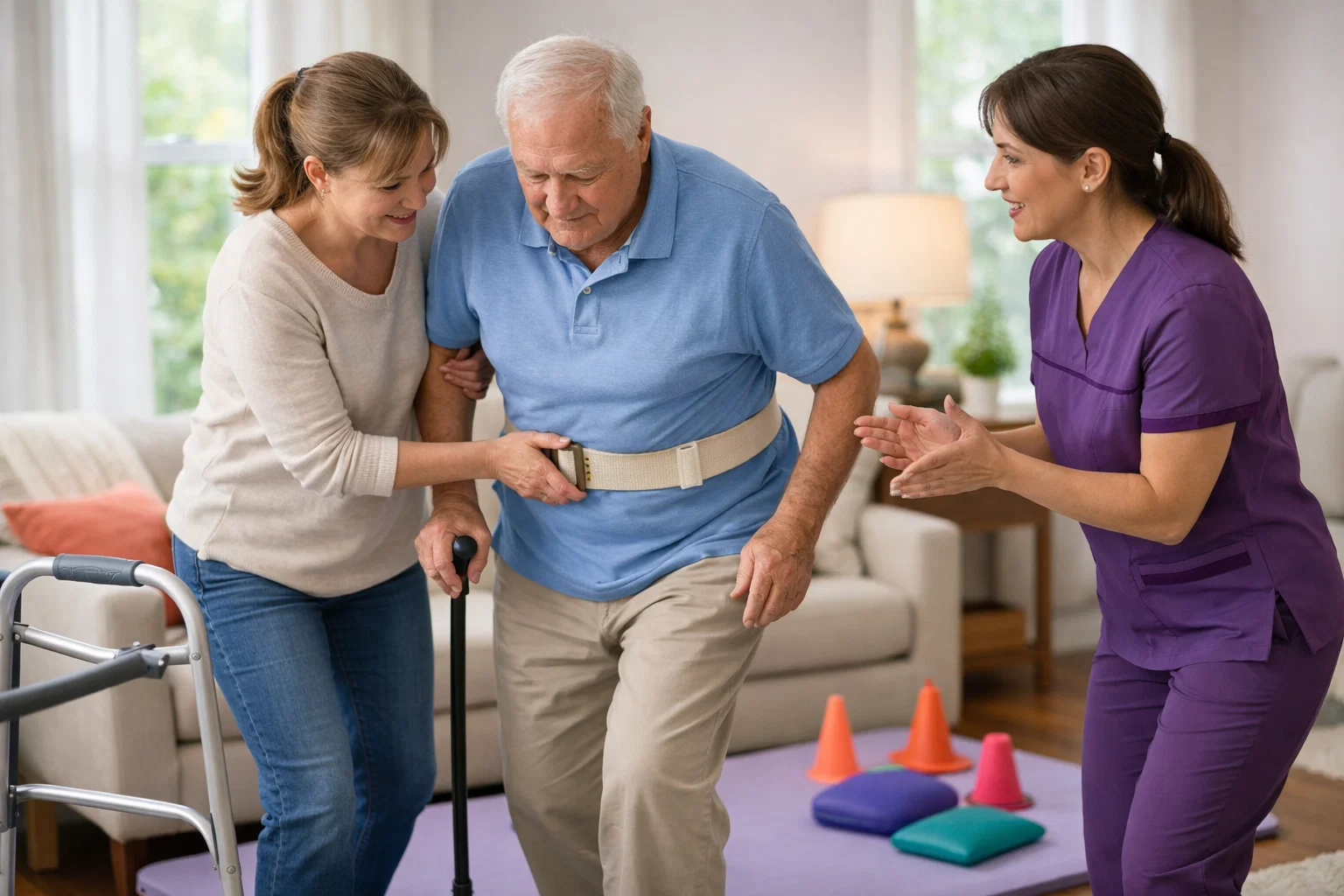

Supporting Your Loved One After Stroke
When a loved one has a stroke, the entire family’s world changes in an instant. After the initial crisis and hospital stay, a new reality emerges: the long journey of recovery that continues at home. As a family caregiver, you play a crucial role in this process.
Stroke recovery is possible. The brain has remarkable ability to heal and adapt. With proper support, rehabilitation, and care, many stroke survivors regain significant function and independence. This guide provides the knowledge and practical strategies you need to support that recovery effectively.
Understanding Stroke Recovery
Before diving into caregiving strategies, understanding how stroke recovery works helps set realistic expectations.
How the Brain Heals
Stroke damages brain tissue by cutting off blood supply. Recovery happens through neuroplasticity, the brain’s ability to reorganize and form new connections. Undamaged areas can sometimes take over functions lost to the stroke. This process requires time, repetition, and consistent rehabilitation.
Recovery Timeline
Recovery varies significantly between individuals. Generally, the fastest improvement occurs in the first three months. Significant gains continue through six months. Continued improvement is possible for years. Plateaus do not mean recovery has ended.
Every stroke is different. Some survivors recover quickly and completely. Others face long-term challenges. Most fall somewhere in between.
Factors Affecting Recovery
Recovery potential depends on stroke location and size, how quickly treatment was received, overall health before the stroke, age and pre-stroke fitness, rehabilitation intensity, family support, and the survivor’s motivation and engagement.
Preparing Your Home
A safe, supportive home environment is essential for stroke recovery.
Safety Modifications
Stroke survivors face increased fall risk. Critical safety modifications include removing throw rugs and floor clutter, installing grab bars in bathrooms, ensuring adequate lighting throughout, securing handrails on all stairs, removing furniture that blocks clear pathways, and lowering bed height for easier transfers.
A professional home safety evaluation identifies hazards specific to your home and your loved one’s deficits. Fall risk assessment determines personal risk factors.
Adaptive Equipment
Equipment can make daily activities safer and more manageable. Common needs include raised toilet seat, shower chair or bench, bedside commode if needed, hospital bed for some patients, wheelchair or walker for mobility, and adaptive utensils and devices for daily tasks.
Adaptive equipment training ensures proper use of these devices.
Bedroom Setup
Set up the bedroom for safety and accessibility with the bed at appropriate height, nightstand within easy reach on the unaffected side, clear path to bathroom, good lighting including nightlight, phone or call bell within reach, and frequently needed items accessible.
Supporting Physical Recovery
Physical rehabilitation is central to stroke recovery.
Physical Therapy at Home
Physical therapy addresses mobility, strength, and balance. Stroke rehabilitation at home allows therapy in the actual environment where your loved one needs to function.
Physical therapy goals include improving walking ability and safety, strengthening weakened limbs, improving balance to prevent falls through fall prevention therapy, increasing endurance, and relearning movement patterns.
Our article on physical therapy after stroke provides detailed information about what to expect.
Supporting Therapy Between Visits
Recovery happens not just during therapy sessions but through daily practice. Help your loved one perform prescribed exercises. Encourage movement throughout the day. Celebrate progress, no matter how small. Be patient with setbacks. Maintain consistency in the exercise routine.
Mobility Assistance
Learn safe techniques for helping your loved one move. Improper assistance can cause injury to both of you. Your therapy team teaches transfer techniques from bed to chair, walking assistance if needed, wheelchair management if applicable, and proper body mechanics to protect your back.
Supporting Daily Living Skills
Stroke often affects ability to perform everyday activities.
Occupational Therapy
Occupational therapy helps stroke survivors relearn daily living skills. ADL training addresses bathing and personal hygiene, dressing including managing buttons and zippers, eating and meal preparation, toileting, grooming, and household tasks.
Occupational therapists also address cognitive challenges affecting daily function. Learn more about how occupational therapy helps seniors live independently.
Balancing Help and Independence
One of the hardest aspects of caregiving is knowing when to help and when to step back. The goal is maximum independence, not doing everything for your loved one.
Allow extra time for tasks. Let them struggle appropriately as this builds strength and skill. Provide assistance only as needed. Modify tasks rather than taking over completely. Celebrate independent accomplishments.
Communication Challenges
Stroke commonly affects communication through aphasia (language difficulties) or dysarthria (speech muscle weakness).
Strategies for Communication Difficulties
Be patient and allow time for responses. Reduce background noise during conversations. Use simple, direct sentences. Ask yes or no questions when possible. Provide paper and pen or communication boards. Do not pretend to understand if you do not. Avoid talking about the person as if they are not there.
Speech Therapy
Speech-language pathologists help with language recovery, speech clarity, swallowing safety, and cognitive-communication skills. Home-based speech therapy continues the work begun in the hospital or rehabilitation facility.
Managing Medical Needs
Stroke survivors often have complex medical needs.
Medication Management
Stroke medications are critical for preventing another stroke. Medication management services help ensure medications are taken correctly and consistently.
Common post-stroke medications include blood thinners to prevent clots, blood pressure medications, cholesterol medications, and diabetes medications if applicable.
Set up a medication system. Use pill organizers. Establish consistent timing. Watch for side effects.
Skilled Nursing Support
Skilled nursing at home provides medical monitoring and care. Nurses can assess vital signs and overall status, manage complex medications, provide wound care if needed, coordinate with physicians, and educate you and your loved one about stroke management.
Preventing Another Stroke
Stroke survivors face elevated risk for another stroke. Prevention strategies include taking all medications as prescribed, managing blood pressure, controlling diabetes, eating a heart-healthy diet, stopping smoking, limiting alcohol, staying physically active within abilities, and keeping medical appointments.
Emotional and Psychological Support
Stroke affects emotions and mental health, not just physical function.
Common Emotional Changes
Stroke survivors commonly experience depression affecting up to one-third of survivors, anxiety about another stroke or about abilities, emotional lability with sudden crying or laughing, frustration with limitations, grief for lost abilities, and personality changes.
Supporting Emotional Recovery
Acknowledge feelings without dismissing them. Maintain social connections. Encourage enjoyable activities. Watch for signs of depression. Seek professional help when needed. Connect with stroke support groups.
Your Own Emotional Health
Caregiver stress and burnout are real risks. Take care of yourself too. Maintain your own health appointments. Stay connected with friends. Accept help from others. Take breaks when possible. Consider caregiver support groups. Recognize when you need help.
Nutrition After Stroke
Proper nutrition supports recovery and prevents complications.
Swallowing Difficulties
Many stroke survivors have dysphagia (swallowing problems). This creates choking risk and can lead to pneumonia. If your loved one has swallowing difficulties, follow speech therapist recommendations for food textures, positioning during meals, supervision during eating, and signs of aspiration to watch for.
Heart-Healthy Eating
Diet affects stroke risk factors. Emphasize fruits and vegetables, whole grains, lean proteins, limited sodium, limited saturated fat, and adequate hydration.
Good nutrition also supports wound healing if your loved one has any skin breakdown. See our article on foods that speed wound healing.
Preventing Complications
Stroke survivors face several potential complications.
Falls
Falls are common after stroke due to weakness, balance problems, and vision changes. Physical therapy reduces fall risk through strength and balance training. Home modifications decrease environmental hazards. Proper footwear and assistive devices help. Supervision during high-risk activities is essential initially.
Pressure Injuries
Immobility increases pressure ulcer risk. Prevention strategies include regular position changes, pressure-relieving surfaces, good nutrition, keeping skin clean and dry, and monitoring bony prominences.
If pressure injuries develop, professional pressure ulcer care provides appropriate treatment. Learn about how pressure ulcers develop and prevention strategies.
Blood Clots
Immobility increases clot risk. Prevention includes movement and exercise as able, compression stockings if prescribed, blood thinners as prescribed, and watching for leg swelling, warmth, or pain.
Getting Professional Support
You do not have to do this alone. Professional home health support makes a significant difference.
Home Health Services
After stroke, your loved one may qualify for Medicare-covered home health services including skilled nursing, physical therapy, occupational therapy, and speech therapy. Our guide on Medicare home health coverage explains eligibility and benefits.
Caregiver Training
Caregiver training teaches you proper techniques for assisting with transfers and mobility, personal care assistance, exercise support, safety management, and recognizing problems.
Respite Care
Taking breaks is essential for sustainable caregiving. Explore respite options including family and friends who can help, adult day programs, in-home respite services, and short-term facility stays.
Finding Support in Los Angeles
If you are caring for a stroke survivor in the Los Angeles area, home health services are available throughout the region. Professional stroke rehabilitation reaches communities including Beverly Hills, Pasadena, Glendale, Santa Monica, Long Beach, Torrance, and surrounding areas.
The Road Ahead
Stroke recovery is a marathon, not a sprint. There will be good days and difficult days. Progress may be slow at times. Setbacks happen.
But recovery also brings moments of triumph, regained abilities, and renewed hope. With proper support, rehabilitation, and your dedicated care, your loved one can achieve meaningful recovery and quality of life.
You are not alone on this journey. Professional support, community resources, and other caregivers who understand are available to help. Reach out, accept help, and take care of yourself as you care for your loved one.
For more information about stroke recovery services, visit our complete services page or contact us with questions.

