
 Wound Care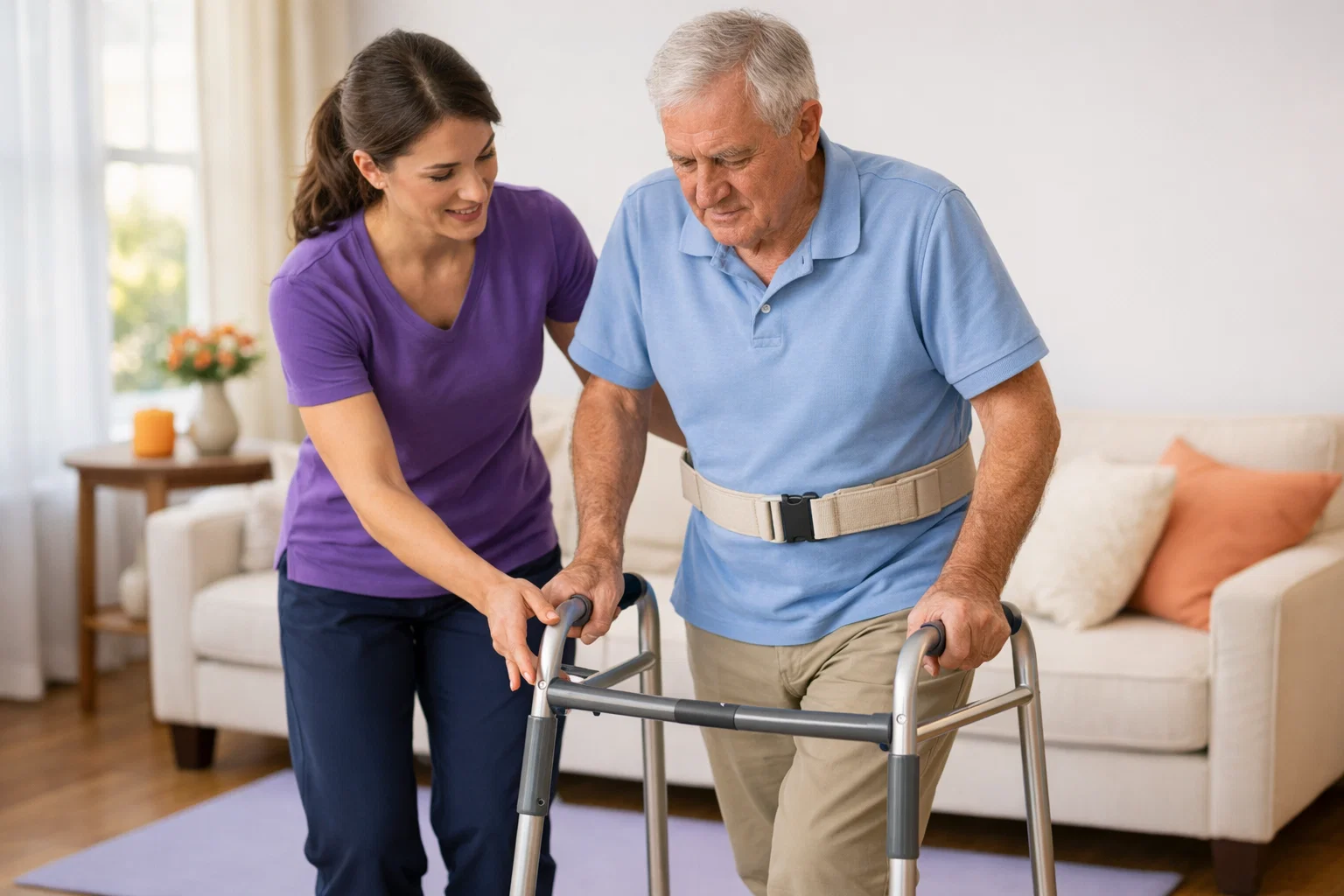

The Road to Recovery After Stroke
A stroke can change life in an instant, affecting movement, strength, coordination, and independence. However, the brain possesses remarkable ability to adapt and recover, especially with proper rehabilitation. Physical therapy plays a central role in helping stroke survivors regain function and return to meaningful activities.
Understanding what physical therapy after stroke involves helps patients and families engage effectively in rehabilitation and maintain realistic yet hopeful expectations for recovery. This guide explains how stroke affects movement, what physical therapy addresses, and how to maximize rehabilitation outcomes.
How Stroke Affects Movement
Stroke damages brain tissue, disrupting the brain ability to control movement. Understanding these effects explains why physical therapy approaches stroke rehabilitation as it does.
Types of Movement Problems
Depending on stroke location and severity, patients may experience various movement difficulties.
Weakness or Paralysis
Stroke commonly causes weakness (paresis) or complete paralysis (plegia) on one side of the body, opposite to the side of brain damage. This hemiparesis or hemiplegia affects the arm, leg, and sometimes face on the affected side.
Spasticity
Many stroke survivors develop spasticity, a condition where muscles become stiff and resistant to movement. Spasticity can limit range of motion and interfere with functional activities.
Balance Problems
Stroke often impairs balance through weakness, sensory changes, and vestibular effects. Poor balance increases fall risk and limits mobility.
Coordination Difficulties
Some strokes affect coordination and fine motor control, making movements clumsy or imprecise even when strength is relatively preserved.
Sensory Changes
Stroke may impair sensation on the affected side, reducing awareness of limb position and affecting movement quality.
Neuroplasticity: The Basis for Recovery
The brain can reorganize itself after injury through a process called neuroplasticity. Healthy brain areas can take over functions previously controlled by damaged regions. Repetitive practice of movements drives this reorganization.
Physical therapy harnesses neuroplasticity through structured, repetitive exercises that stimulate the brain to form new neural pathways for movement control.
Goals of Physical Therapy After Stroke
Physical therapy aims to maximize functional recovery and independence through several interconnected goals.
Restore Strength and Movement
Strengthening exercises target weakened muscles to improve their ability to support movement and function. Even muscles with significant weakness can often gain strength with appropriate training.
Improve Balance and Prevent Falls
Balance training reduces fall risk, a major concern for stroke survivors. Improved balance supports safe mobility and independence.
Increase Mobility
Therapy works to restore walking ability and other mobility skills. This may progress from bed mobility through transfers to standing and walking.
Manage Spasticity
Stretching, positioning, and specific techniques help manage spasticity and maintain range of motion.
Promote Independence
Ultimately, physical therapy aims to help stroke survivors perform daily activities as independently as possible, whether through restored function or compensatory strategies.
What Physical Therapy Involves
Physical therapy after stroke includes various interventions tailored to individual patient needs and abilities.
Exercise and Movement Training
Repetitive practice of movements is fundamental to stroke rehabilitation. Exercises may focus on strengthening weakened muscles, practicing specific movements like reaching or stepping, relearning movement patterns disrupted by stroke, and building endurance for sustained activity.
Gait Training
For patients working toward walking, gait training addresses all components of the walking cycle. This may involve practicing weight shifting and balance, stepping practice with support as needed, treadmill training sometimes with body weight support, overground walking with appropriate assistive devices, and progressing to varied surfaces and community environments.
Balance Training
Balance exercises challenge the systems that maintain stability. Activities progress from seated balance through standing and dynamic balance during movement. Practice includes responding to balance challenges to develop protective reactions.
Range of Motion and Stretching
Maintaining flexibility prevents contractures and supports movement quality. Stretching may be passive, active, or assisted depending on patient ability.
Functional Training
Practicing real-world activities like transfers, stair climbing, and navigating obstacles prepares patients for daily life demands.
Assistive Device Training
When assistive devices are needed, therapists help select appropriate equipment and train patients in proper use. Devices may include canes, walkers, wheelchairs, and braces.
The Rehabilitation Timeline
Stroke rehabilitation typically follows a progression through different settings as patients recover.
Acute Hospital
Rehabilitation begins in the hospital, often within 24 to 48 hours of stroke when medically stable. Early therapy focuses on preventing complications and beginning basic mobility.
Inpatient Rehabilitation
Patients who can tolerate intensive therapy may transfer to inpatient rehabilitation facilities for several hours of therapy daily. This intensive phase produces rapid gains for appropriate candidates.
Home Health or Outpatient Therapy
After inpatient rehabilitation or directly from the hospital, patients continue therapy either at home through home health services or at outpatient clinics. This phase continues building function and applying skills to home and community environments.
Long-Term Maintenance
Recovery continues for months to years after stroke. Ongoing exercise and activity maintain and build upon rehabilitation gains.
Physical Therapy at Home
For many stroke survivors, receiving physical therapy at home offers significant advantages.
Benefits of Home-Based Therapy
Home therapy allows treatment in the actual environment where patients live. Therapists address real obstacles, practice functional activities where they will be performed, and train family caregivers in assistance techniques.
Home therapy eliminates transportation challenges that may be significant for stroke survivors with mobility limitations. Treatment can focus entirely on the patient without the distractions of clinical environments.
What Home Physical Therapy Includes
Home-based stroke rehabilitation includes comprehensive assessment of function and home environment, individualized treatment addressing specific deficits, exercise programs designed for home performance, training in functional activities within the home, caregiver education and training, fall prevention strategies specific to the home environment, and recommendations for home modifications and equipment.
Family Involvement
Home therapy naturally involves family members who provide daily support. Therapists teach caregivers how to assist safely with transfers, mobility, and exercises, extending therapy benefits beyond professional visits.
Maximizing Recovery
Several factors influence stroke recovery outcomes. While some factors cannot be changed, others are within patient and family control.
Start Early
Research supports beginning rehabilitation as soon as medically stable. Early therapy takes advantage of heightened neuroplasticity in the acute period after stroke.
Practice Consistently
Recovery depends on repetitive practice. Performing exercises consistently between therapy sessions significantly enhances outcomes. The brain changes in response to what you practice regularly.
Challenge Yourself Appropriately
Exercises should be challenging but achievable. Tasks that are too easy do not drive improvement, while impossible tasks create frustration. Work with your therapist to find the right level of challenge.
Stay Motivated
Recovery is a marathon, not a sprint. Maintaining motivation through the long rehabilitation process requires setting meaningful goals, celebrating progress, and staying focused on what matters to you.
Address the Whole Person
Physical recovery is one aspect of stroke rehabilitation. Occupational therapy addresses daily activities and upper extremity function. Speech therapy may be needed for communication or swallowing problems. Emotional support and treatment for post-stroke depression improve overall outcomes.
Common Challenges and Solutions
Stroke rehabilitation presents common challenges that can be addressed with appropriate strategies.
Fatigue
Post-stroke fatigue is common and can limit therapy participation. Strategies include pacing activities, scheduling rest periods, prioritizing important activities, and gradually building endurance.
Depression
Depression affects many stroke survivors and can impair rehabilitation engagement. Treatment for depression, including medication and counseling, improves rehabilitation outcomes.
Spasticity Management
Spasticity may require additional interventions beyond stretching, including medications, injections, or orthotics. Discuss persistent spasticity with your healthcare team.
Plateau Periods
Recovery rarely proceeds in a straight line. Apparent plateaus may be followed by further improvement, especially with continued practice. Do not give up during slower periods.
Setting Realistic Expectations
Recovery varies tremendously among stroke survivors based on stroke severity, location, age, health status, and rehabilitation quality and intensity.
What to Expect
Some stroke survivors achieve complete or near-complete recovery while others have permanent limitations. Most fall somewhere between these extremes, with significant improvement from initial deficits but some lasting effects.
The greatest recovery typically occurs in the first three to six months, but improvement can continue for years with ongoing effort.
Adapting to Changes
When full recovery is not possible, adapting to new ways of doing things maintains independence and quality of life. Compensatory strategies and assistive technology can enable meaningful activities even with lasting impairments.
Taking the Next Step
If you or a loved one has experienced a stroke, physical therapy should be a central part of the recovery plan. Ask your healthcare team about rehabilitation options and what level of therapy is appropriate for your situation.
For patients recovering at home, home health physical therapy brings skilled rehabilitation services directly to you. This approach allows therapy in your actual living environment while involving family members in the recovery process.
Recovery after stroke requires effort and persistence, but improvement is possible for most survivors. With proper rehabilitation and commitment to recovery, many stroke survivors regain meaningful function and return to the activities they value.
