 HarvardCare at Home
  Wound Care
 Skilled Nursing Care
 Physical Therapy
 Occupational Therapy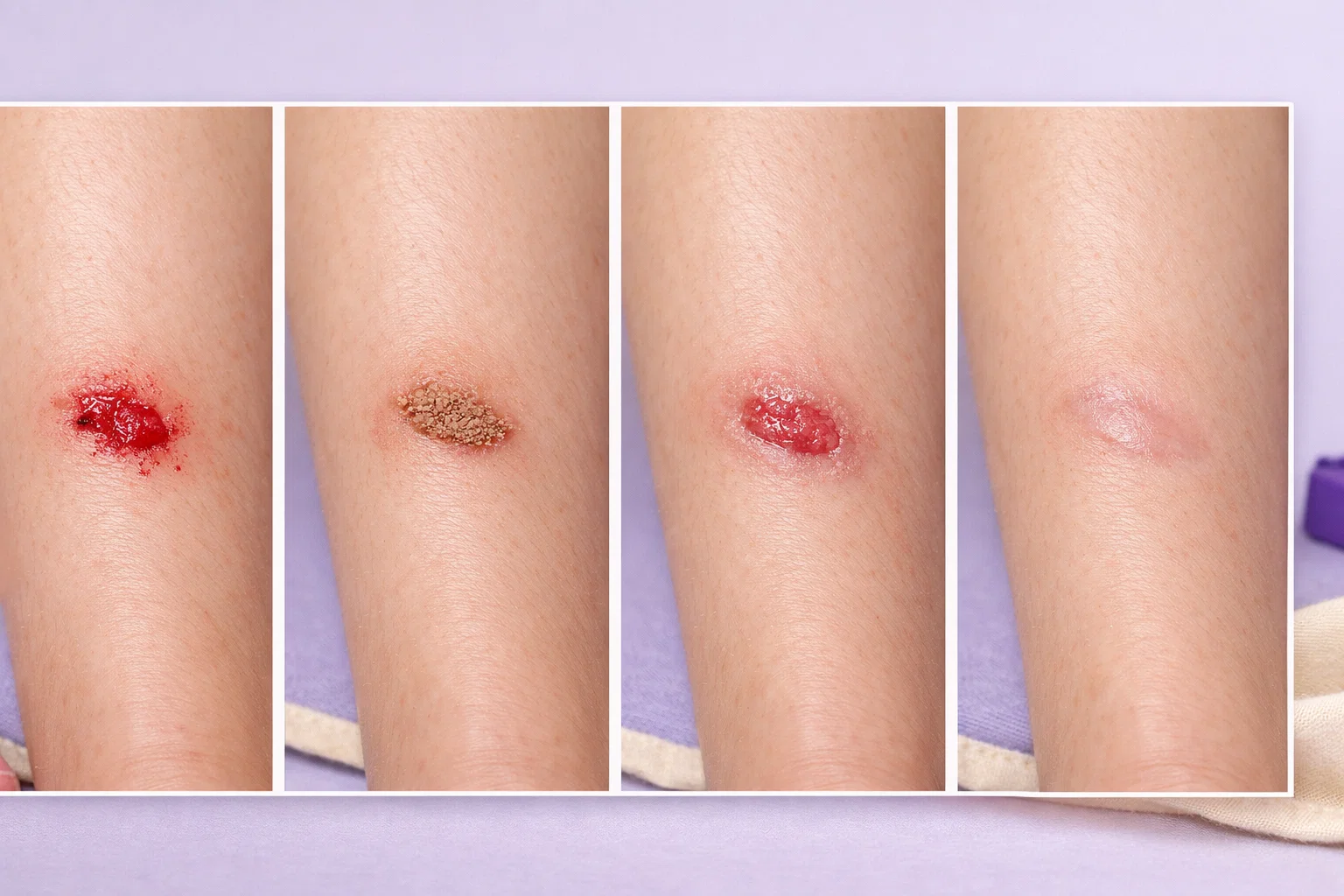

Understanding Wound Healing Timelines
One of the most common questions people ask about wounds is simply: how long will this take to heal? The answer depends on many factors including wound type, size, location, your overall health, and the care the wound receives.
Understanding typical healing timelines helps you know what to expect and when to be concerned. A wound healing slower than expected may need professional evaluation and treatment adjustment. A wound that seems slow but falls within normal parameters may just need patience and consistent care.
This comprehensive guide covers healing timelines for different wound types and factors that influence how quickly your wound will close.
The Wound Healing Process
Before exploring specific timelines, understanding the healing process explains why wounds take the time they do.
Phases of Wound Healing
All wounds heal through the same basic phases, though the duration of each phase varies.
Hemostasis (Minutes)
Immediately after injury, blood vessels constrict and clotting begins. A scab forms over open wounds, stopping blood loss and protecting the wound.
Inflammatory Phase (Days 1-6)
The body sends immune cells to the wound to fight bacteria and clear debris. This phase causes the redness, warmth, and swelling you see around fresh wounds. It is essential for preventing infection and preparing for tissue rebuilding.
Proliferative Phase (Days 4-24)
New tissue forms to fill the wound. Blood vessels grow into the area. Collagen provides structure for new tissue. The wound contracts, pulling edges together. Skin cells migrate across the surface.
Remodeling Phase (Day 21 to 2 Years)
The wound continues strengthening and maturing. Collagen reorganizes. The scar flattens and fades. Full tensile strength develops slowly over months to years.
Why Timelines Vary
These phases overlap and their duration varies tremendously based on wound characteristics and patient factors. A small, clean cut in a healthy person speeds through these phases. A large wound in someone with diabetes may stall for months.
Healing Timeline: Minor Cuts and Scrapes
Most minor wounds heal without complication in a predictable timeframe.
Typical Timeline
Minor cuts and abrasions typically show initial scab formation within hours, pink new skin visible under the scab by days 3 to 5, scab naturally separating by days 7 to 10, complete surface closure by 2 to 3 weeks, and scar maturation continuing for months.
Factors Affecting Minor Wound Healing
Even small wounds heal faster or slower depending on location, as wounds on the face heal faster than those on the legs, wound care with properly cleaned and protected wounds healing better, age since children heal faster than older adults, and overall health status.
Healing Timeline: Surgical Incisions
Surgical wounds are created under controlled conditions, typically resulting in predictable healing.
Typical Timeline
Most surgical incisions progress through initial closure maintained by sutures, staples, or glue, surface healing (epithelialization) by days 7 to 14, suture or staple removal typically days 7 to 14 depending on location, incision line feeling firm from underlying healing tissue for weeks 2 to 6, progressive scar maturation over 6 to 12 months, and full tensile strength approaching 80 percent of normal by 3 months.
Factors Affecting Surgical Wound Healing
Surgical wound healing depends on the type and length of incision, closure method used, surgical site location, patient health factors, post-operative care quality, and development of complications.
When to Be Concerned
Contact your surgeon if the incision opens or separates, you see signs of infection, healing seems to stall, or pain increases rather than decreases. Professional post-surgical wound care at home monitors healing progress and identifies problems early.
Healing Timeline: Diabetic Foot Ulcers
Diabetic foot ulcers are among the slowest healing wounds, requiring specialized care.
Typical Timeline
With appropriate treatment, diabetic foot ulcers show measurable size reduction beginning in 2 to 4 weeks if responding to treatment, 50 percent size reduction often achieved by 4 to 6 weeks in healing wounds, complete closure for uncomplicated ulcers typically in 12 to 14 weeks, and complex ulcers requiring 20 weeks or longer.
Reality Check
Many diabetic foot ulcers do not follow ideal timelines. Studies show only about 30 percent of diabetic foot ulcers heal within 20 weeks. Many require 6 months or more, and some never fully heal without advanced interventions.
Why Diabetic Wounds Heal Slowly
Multiple factors impair diabetic wound healing including neuropathy that allows continued walking on wounds, poor circulation limiting oxygen and nutrient delivery, elevated blood sugar impairing immune function and tissue repair, and increased infection risk.
Optimizing Healing
Professional diabetic wound care addresses these factors through aggressive blood sugar management, appropriate offloading to remove pressure from the wound, regular wound dressing changes, infection prevention and treatment, and advanced therapies when standard care is insufficient.
Healing Timeline: Pressure Ulcers
Pressure ulcer healing varies dramatically by wound stage and patient factors.
Timeline by Stage
Stage 1
Non-blanchable redness on intact skin typically resolves in a few days to a week with pressure elimination.
Stage 2
Partial-thickness wounds involving the dermis generally heal in 2 to 4 weeks with appropriate care.
Stage 3
Full-thickness wounds extending into subcutaneous fat may require 1 to 4 months to heal.
Stage 4
Full-thickness wounds with exposed bone, muscle, or tendon often require 3 months to over a year. Some Stage 4 ulcers never completely heal.
Critical Success Factors
Pressure ulcer healing requires complete pressure elimination from the wound site, appropriate wound bed preparation including debridement, proper moisture balance, infection control, nutritional optimization, and treatment of underlying conditions.
Professional pressure ulcer care at home addresses all these factors through comprehensive wound management.
Healing Timeline: Venous Leg Ulcers
Venous ulcers result from circulation problems and require treatment of the underlying cause.
Typical Timeline
With appropriate compression therapy and wound care, venous ulcers typically show noticeable size reduction within 2 to 4 weeks if responding to treatment, 50 percent healing often achieved by 4 to 6 weeks, complete closure for many ulcers in 12 to 24 weeks, and complex or large ulcers requiring 6 months or longer.
Why Compression Matters
Venous ulcers cannot heal without addressing the underlying venous disease. Compression therapy counteracts the venous pressure that caused the ulcer. Without compression, wound care alone rarely succeeds.
Professional Treatment
Venous leg ulcer treatment at home combines compression bandaging with appropriate wound care. This dual approach creates conditions for healing that wound care alone cannot achieve.
Healing Timeline: Surgical Wounds with Complications
When surgical wounds develop complications like infection or dehiscence (opening), healing timelines extend significantly.
Extended Timelines
Wounds healing by secondary intention after opening may require weeks to months rather than days, depending on wound size and depth. Infected surgical sites need the infection resolved before normal healing can progress. Wound vac therapy can accelerate healing of complex surgical wounds.
Professional Support
Post-hospital discharge nursing provides monitoring during the vulnerable period when surgical complications typically develop. Early intervention for problems improves outcomes.
Factors That Slow Healing
Understanding what impairs healing helps you optimize conditions for your wound.
Patient Factors
Age affects healing as older patients heal more slowly than younger ones. Diabetes impairs healing through multiple mechanisms. Circulation problems limit blood supply to wounds. Nutritional deficiencies deprive wounds of building blocks. Smoking reduces oxygen delivery and impairs healing. Obesity affects wound healing and increases infection risk. Immune compromise limits the body’s healing ability.
Wound Factors
Larger wounds take longer than smaller ones. Deeper wounds require more tissue rebuilding. Wounds in areas with poor blood supply heal slowly. Infected wounds cannot progress until infection is controlled. Wounds under continued pressure or trauma cannot heal.
Treatment Factors
Inappropriate wound care can impair healing. Letting wounds dry out or keeping them too wet is problematic. Delayed treatment of complications extends healing time. Inconsistent care prevents steady progress.
When Healing Stalls
A wound is considered chronic if it fails to progress through healing stages in an expected timeframe, generally 4 to 6 weeks for most wounds.
Signs of Stalled Healing
The wound has not decreased in size over several weeks. The wound appearance is not changing or is getting worse. The wound has been open for longer than expected. Previous improvement has stopped.
What to Do
Stalled healing signals the need for professional evaluation. Something is preventing normal healing, and identifying and addressing that barrier is necessary for progress. Chronic wound care specializes in getting stuck wounds healing again.
Monitoring Your Wound
Tracking wound progress helps you know if healing is on track.
What to Monitor
Note wound size as measured in the same way each time, wound depth if applicable, tissue appearance in the wound bed, drainage amount and character, surrounding skin condition, pain level, and any signs of infection.
Photography
Taking photos at the same angle and distance weekly creates a visual record of progress. Slow changes may not be obvious day to day but become clear in photo comparisons.
Professional Assessment
A wound care nurse at home provides professional assessment at each visit, measuring and documenting wound progress. They can identify when healing is on track and when treatment adjustments are needed.
Supporting Faster Healing
While you cannot change factors like age, you can optimize modifiable factors.
Nutrition
Ensure adequate protein intake. Stay well hydrated. Eat foods rich in vitamins C and A, and zinc. Consider supplements if dietary intake is inadequate.
Blood Sugar Control
If you have diabetes, work to optimize glucose control. Medication management support can help with diabetes medications.
Don’t Smoke
Smoking significantly impairs healing. Stopping, even temporarily during wound healing, improves outcomes.
Follow Your Care Plan
Consistency matters. Follow wound dressing instructions exactly. Keep appointments. Report concerns promptly.
Get Professional Care When Needed
Do not wait months with a non-healing wound. Professional wound care can often get healing back on track when home care alone is not working.
Realistic Expectations
Understanding typical healing timelines helps you set realistic expectations. Some wounds heal in days. Others take months. The key is knowing whether your wound is progressing appropriately for its type and your situation.
If your wound is not healing as expected, professional evaluation identifies barriers and creates a treatment plan to address them. Most wounds can heal with appropriate care, even if that care takes longer than you initially hoped.


