 HarvardCare at Home
  Wound Care
 Skilled Nursing Care
 Physical Therapy
 Occupational Therapy
Many IV therapies can be safely administered at home including IV antibiotics for serious infections, hydration therapy, parenteral nutrition for patients who cannot eat, pain management infusions, immunoglobulin therapy, and various other medication infusions. Our clinical team evaluates each situation to determine whether home administration is appropriate based on the specific medication, your condition, and your home environment.
SKILLED NURSING
IV Therapy at Home
IV therapy at home throughout Los Angeles County. Our IV-certified nurses administer antibiotics, hydration, nutrition, and other infusions safely in your home. Avoid hospitalization while receiving the treatment you need. Medicare accepted.
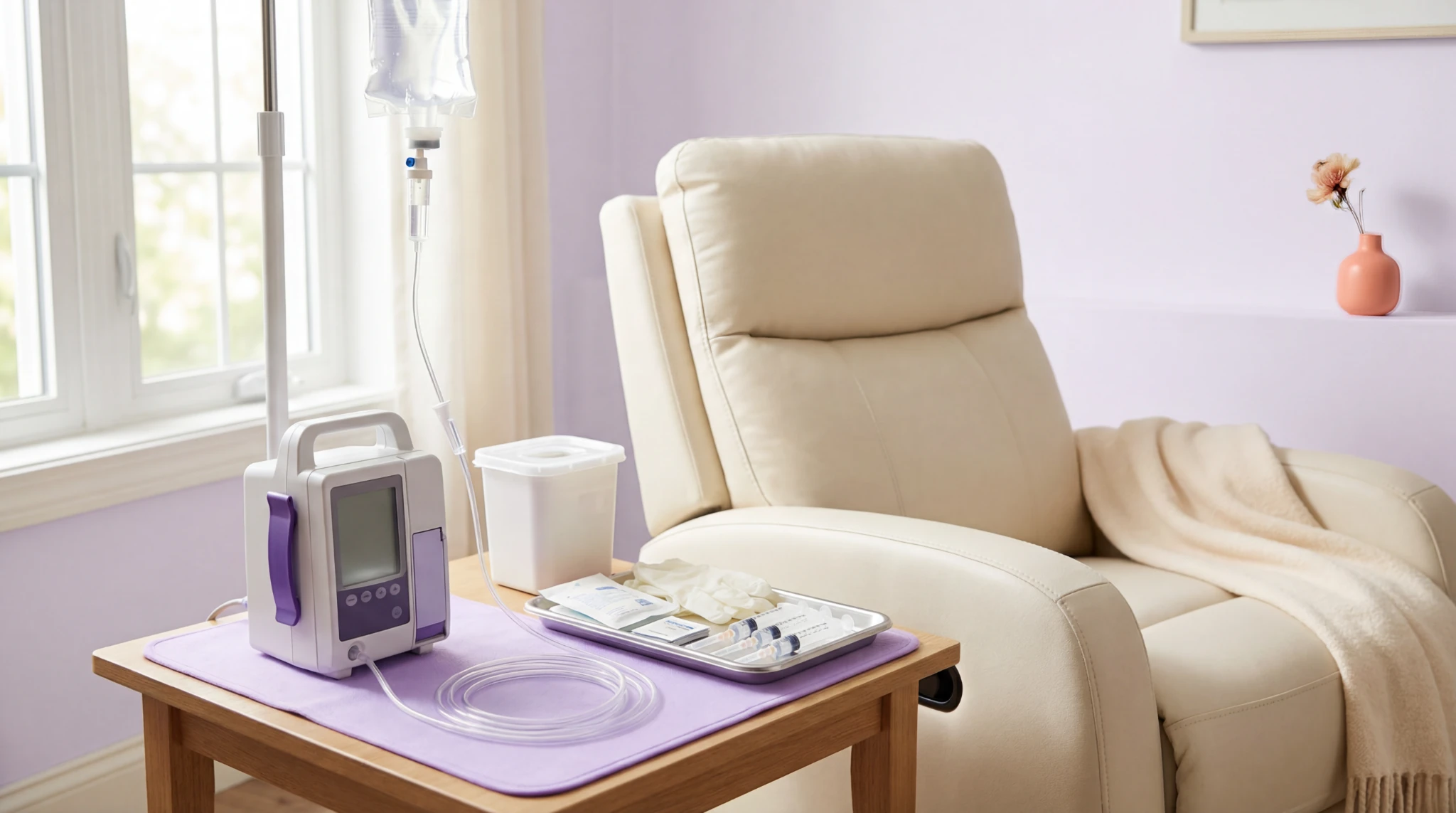
Hospital-Quality Intravenous Therapy Delivered in Your Home
Intravenous therapy was once available only in hospitals and infusion centers. Patients requiring IV medications faced lengthy hospital stays or exhausting daily trips to clinics. Today, advances in portable infusion technology and home health nursing make it possible to receive many IV treatments safely and effectively at home. At HarvardCare at Home, our IV-certified nurses bring professional infusion services to patients throughout Los Angeles County, allowing you to receive necessary treatments while recovering in the comfort of your own home.
Home IV therapy represents a significant advancement in patient care. It reduces healthcare costs, minimizes infection exposure, improves quality of life, and in many cases produces outcomes equal to or better than facility-based treatment. For patients requiring days or weeks of IV therapy, the ability to receive treatment at home can be truly life-changing.
Understanding IV Therapy
Intravenous therapy delivers medications, fluids, or nutrients directly into the bloodstream through a vein. This delivery method offers important advantages over oral administration for certain treatments.
Why IV Administration Is Necessary
Some medications cannot be taken by mouth because they would be destroyed by stomach acid, poorly absorbed through the digestive tract, or cause severe gastrointestinal side effects. IV administration bypasses these problems, delivering medication directly where it can take effect. IV delivery also allows precise control over medication levels in the blood, enables rapid achievement of therapeutic concentrations, and provides options for patients who cannot swallow or absorb oral medications.
Types of IV Access
IV therapy requires a pathway into the venous system. Several options exist depending on treatment duration and patient factors. Peripheral IV catheters are short catheters inserted into veins of the hand or arm, suitable for short-term therapy lasting days to a couple of weeks. PICC lines, or peripherally inserted central catheters, are longer catheters threaded from an arm vein into larger central veins, appropriate for weeks to months of therapy. Central venous catheters are placed directly into large veins in the chest or neck for long-term access. Implanted ports are devices placed under the skin with catheter access to central veins for intermittent long-term use.
Our nurses are skilled in caring for all types of IV access, maintaining lines properly and monitoring for complications.
IV Therapies We Provide at Home
Our home IV therapy program encompasses a wide range of infusion treatments.
IV Antibiotic Therapy
Serious infections often require IV antibiotics that cannot be given orally. Conditions commonly treated with home IV antibiotics include bone infections or osteomyelitis, skin and soft tissue infections including cellulitis and wound infections, joint infections, endocarditis or heart valve infections, pneumonia requiring IV-level treatment, and urinary tract infections resistant to oral therapy. Home IV antibiotic therapy allows patients to complete full treatment courses—sometimes lasting four to six weeks—without prolonged hospitalization.
Hydration Therapy
Dehydration from illness, medication side effects, or inability to drink adequately can require IV fluid replacement. We provide hydration therapy for patients recovering from illness or surgery, those with nausea preventing oral intake, patients with chronic conditions affecting fluid balance, and seniors at risk for dehydration. IV hydration restores fluid balance more rapidly and reliably than oral rehydration in many situations.
Pain Management Infusions
Some pain conditions respond to IV medications that cannot be given orally. We administer prescribed pain management infusions for patients with severe acute pain, chronic pain conditions, cancer-related pain, and post-surgical pain management. All pain infusions are administered per physician orders with appropriate monitoring.
Parenteral Nutrition
Patients who cannot eat or absorb nutrition through the digestive tract may require IV nutrition, known as total parenteral nutrition or TPN. This complete nutritional support delivers proteins, carbohydrates, fats, vitamins, and minerals directly into the bloodstream. Conditions requiring parenteral nutrition include severe digestive disorders, bowel obstruction or surgery, cancer affecting the GI tract, and malabsorption syndromes. TPN is complex therapy requiring careful monitoring, which our specialized nurses provide.
Medication Infusions
Various medications beyond antibiotics require IV administration including antifungal medications for serious fungal infections, antiviral medications for certain viral conditions, immunoglobulin therapy for immune disorders, biologic medications for autoimmune conditions, and certain cardiac medications. We administer these infusions according to physician protocols with appropriate monitoring for reactions and side effects.
Chemotherapy Support
While chemotherapy itself is typically administered in oncology settings, we provide supportive IV services for cancer patients including hydration before and after chemotherapy, antiemetic infusions for nausea control, electrolyte replacement, and supportive care between treatments. This support helps patients tolerate chemotherapy better and maintain quality of life during cancer treatment.
The IV Therapy Process at Home
Home IV therapy follows structured protocols ensuring safe, effective treatment.
Physician Orders and Planning
All IV therapy begins with physician orders specifying the medication, dose, frequency, and duration of treatment. Our clinical team reviews orders for appropriateness, coordinates with pharmacies for medication delivery, and develops an individualized treatment plan. We ensure all necessary supplies and equipment are in place before therapy begins.
IV Access Establishment or Assessment
If you do not already have IV access, our nurses can place peripheral IV catheters for short-term therapy. For longer treatments, your physician may order PICC line placement, which specialized nurses or interventional radiologists perform. If you already have a PICC line or central catheter from the hospital, our nurses assess its function and condition at the first visit.
Medication Administration
Our nurses administer IV medications using proper technique and monitoring. Depending on the medication, infusion may take 30 minutes to several hours. During infusion, we monitor for adverse reactions, ensure proper flow rates, and address any problems that arise. Some medications allow patient self-administration after teaching, while others require nurse presence for each dose.
IV Line Care and Maintenance
Proper IV catheter care prevents complications like infection and occlusion. Our nurses perform regular dressing changes using sterile technique, flush lines appropriately to maintain patency, assess insertion sites for signs of problems, and change catheters when indicated. This meticulous maintenance keeps your IV access functioning safely throughout treatment.
Monitoring and Response
IV therapy requires ongoing monitoring for both therapeutic response and adverse effects. We track your clinical response to treatment through symptom assessment and any indicated laboratory monitoring. HarvardCare watch for medication side effects and allergic reactions. We monitor IV sites for infiltration, phlebitis, or infection. Any concerns are communicated promptly to your physician for appropriate action.
Safety in Home IV Therapy
Safety is paramount in home infusion services. Multiple safeguards protect patients receiving IV therapy at home.
Qualified Nursing Staff
All nurses providing IV therapy are registered nurses with specialized infusion training. They maintain competency in IV insertion, medication administration, complication recognition, and emergency response. This specialized preparation ensures safe, skilled care.
Proper Medication Handling
IV medications are prepared by specialized pharmacies under sterile conditions and delivered in ready-to-administer form. Medications requiring refrigeration are transported and stored appropriately. We verify medication identity, dose, and expiration before every administration.
Emergency Preparedness
Our nurses are trained to recognize and respond to infusion emergencies including allergic reactions and anaphylaxis. They carry emergency supplies and know when immediate medical attention is required. Protocols ensure rapid response to any adverse event.
Continuous Quality Monitoring
Our clinical team monitors all home IV therapy patients, tracking for complications and ensuring treatment goals are met. Regular communication with physicians keeps everyone informed of patient progress. Quality assurance processes identify and address any safety concerns.
Benefits of Home IV Therapy
Receiving IV therapy at home offers substantial advantages over hospital or clinic-based treatment.
Comfort and Convenience
Recovering at home in familiar surroundings, sleeping in your own bed, and maintaining normal routines as much as possible improves quality of life during treatment. You avoid the disruption and discomfort of hospitalization or frequent clinic trips.
Reduced Infection Risk
Hospitals harbor antibiotic-resistant bacteria and other pathogens that can cause serious infections, particularly in patients with IV lines. Receiving infusions at home dramatically reduces exposure to these healthcare-associated infections.
Lower Healthcare Costs
Home IV therapy costs significantly less than hospitalization for the same treatment. For extended IV courses, the savings can be substantial. Insurance coverage recognizes these cost benefits, making home infusion accessible to most patients who need it.
Family Involvement
When treatment happens at home, family members can be present and involved. This support benefits both patient wellbeing and treatment adherence. Families also learn about the therapy and can assist with aspects of care when appropriate.
Maintained Independence
Home IV therapy allows patients to remain active participants in their lives. You can continue working if you feel able, care for family members, and maintain social connections—none of which is possible during hospitalization.
Who Is a Candidate for Home IV Therapy
Not every patient requiring IV therapy is appropriate for home treatment. Ideal candidates have stable medical conditions not requiring hospital-level monitoring, adequate home environment and support systems, ability to understand and participate in treatment, IV access appropriate for the planned therapy, and conditions and medications suitable for home administration.
Our clinical team evaluates each patient individually to determine whether home IV therapy is safe and appropriate. When home treatment is not suitable, we help coordinate alternative care arrangements.
Insurance Coverage
Home IV therapy is covered by Medicare Part B, Medi-Cal, and most private insurance plans when medically necessary. Coverage typically includes nursing visits for IV administration, medications and supplies, IV access devices, and infusion equipment when needed. Our team verifies your specific coverage and handles authorization requirements. We work with specialized infusion pharmacies that coordinate medication delivery and insurance billing.
Getting Started
If you need IV therapy and want to receive it at home, contact HarvardCare at Home for a consultation. We will review your situation, verify insurance coverage, and coordinate with your physician to arrange home infusion services. Our IV-certified nurses are ready to bring professional infusion therapy to your home throughout Los Angeles County.
Do not resign yourself to hospitalization or exhausting clinic visits for IV treatment. Home IV therapy offers a better way—effective treatment delivered in the comfort of your own home. Call today to learn how we can help.
FAQs
Do you have questions?
Got questions about IV Therapy at Home? Here are answers to what patients and families ask most.
Safety in home IV therapy involves multiple safeguards. Our nurses are IV-certified with specialized infusion training. Medications are prepared by sterile compounding pharmacies and delivered in ready-to-administer form. We follow strict protocols for medication verification, administration, and monitoring. Nurses are trained to recognize and respond to adverse reactions. Regular communication with physicians ensures appropriate oversight throughout treatment.
For short-term therapy, our nurses can place peripheral IV catheters in your arm or hand. For longer treatments requiring PICC lines or central catheters, placement is typically done by specialized nurses or interventional radiologists, often before hospital discharge or at an outpatient facility. Once placed, our nurses maintain the line and administer therapy through it. We also care for lines placed during hospitalization.
Infusion time varies by medication. Some antibiotics infuse in 30 minutes while others require one to two hours. Hydration therapy typically takes one to three hours depending on volume needed. Parenteral nutrition often runs over 10 to 12 hours, frequently overnight. Your nurse will explain the expected duration for your specific treatment and can often schedule visits at times convenient for your daily routine.
Our nurses monitor you during infusions for any signs of adverse reaction. They are trained to recognize early symptoms and respond appropriately, carrying emergency supplies for immediate intervention if needed. Mild reactions may be managed with supportive care while severe reactions would prompt emergency medical services. We also report all reactions to your physician for evaluation and treatment plan adjustment if necessary.
It depends on how long you’ll need therapy and what you’re receiving. Peripheral IVs are best for short courses, while PICC lines, central lines, or implanted ports are typically used for longer treatment plans or therapies that require more durable access. We assess your current line (if you have one) and coordinate with your provider if a different access type is needed.
Not always, but it can help—especially at the start of treatment. Some infusions require the nurse to be present the entire time, while others may allow self-administration after training (depending on the medication and your situation). We’ll evaluate your home setup, safety, and comfort level, and recommend the best plan for you.
Most supplies (IV tubing, flushes, dressing kits, pump if needed, etc.) are delivered by the infusion pharmacy based on your doctor’s orders. Our nurses use and manage those supplies during visits, teach you how to store them safely (especially refrigerated meds), and help prevent you from running out.
Call right away if you notice fever/chills, new redness/warmth/drainage at the IV site, swelling or pain in the arm/neck/chest, leaking fluid around the catheter, shortness of breath, or if the line won’t flush or the pump alarms repeatedly. Those can be signs of infection, clot, infiltration, or line malfunction and should be addressed fast.
Yes—with precautions. You’ll need to keep the dressing and connection area completely dry using a waterproof cover and avoid soaking in tubs, pools, or hot tubs unless your provider specifically clears it. Your nurse will show you the safest way to shower and what to do if the dressing gets wet or starts lifting.
TESTIMONIALS
What Our Patients & Families Say
AREAS WE SERVE
IV Therapy at Home Near You
Our licensed healthcare professionals provide expert care in the comfort of your home. We proudly serve patients and families throughout Los Angeles County.
Serving 97 cities across LA County
- A
- Agoura Hills
- Alhambra
- Altadena
- Arcadia
- B
- Bel Air
- Bellflower
- Beverly Hills
- Boyle Heights
- Brentwood
- Burbank
- C
- Calabasas
- Carson
- Century City
- Cerritos
- Claremont
- Compton
- Covina
- Culver City
- D
- Diamond Bar
- Downey
- E
- Eagle Rock
- East Los Angeles
- Echo Park
- Encino
- G
- Gardena
- Glendale
- Glendora
- Granada Hills
- H
- Hacienda Heights
- Hancock Park
- Harbor City
- Hawthorne
- Highland Park
- Hollywood
- Hollywood Hills
- I
- Inglewood
- K
- Koreatown
- L
- La Crescenta-Montrose
- La Mirada
- Lakewood
- Lincoln Heights
- Long Beach
- Los Angeles
- Los Feliz
- M
- Malibu
- Manhattan Beach
- Mar Vista
- Marina del Rey
- Mid-City
- Mid-Wilshire
- Miracle Mile
- Monrovia
- Montebello
- Monterey Park
- N
- North Hollywood
- Northridge
- Norwalk
- P
- Pacific Palisades
- Palms
- Palos Verdes Estates
- Palos Verdes Peninsula
- Panorama City
- Pasadena
- Pico Rivera
- Playa Vista
- Pomona
- Porter Ranch
- R
- Rancho Palos Verdes
- Redondo Beach
- Reseda
- Rolling Hills Estates
- Rowland Heights
- S
- San Dimas
- San Gabriel
- San Marino
- San Pedro
- Santa Clarita
- Santa Monica
- Sawtelle
- Sherman Oaks
- Silver Lake
- South Gate
- South Pasadena
- Studio City
- T
- Tarzana
- Torrance
- V
- Van Nuys
- Venice
- W
- West Covina
- West Hollywood
- West Los Angeles
- Westchester
- Westlake Village
- Westwood
- Whittier
- Wilmington
- Woodland Hills
More Services

In-Home Wound Care Services
- Board-certified wound care nurses
- Personalized treatment plans
- All wound types treated

Diabetic Wound Care at Home
- Diabetes wound specialists
- Blood sugar optimization support
- Advanced offloading techniques

Skilled Nursing Care at Home
- Registered nurses available 7 days a week
- Comprehensive care coordination
- IV therapy and infusion services