
 Wound Care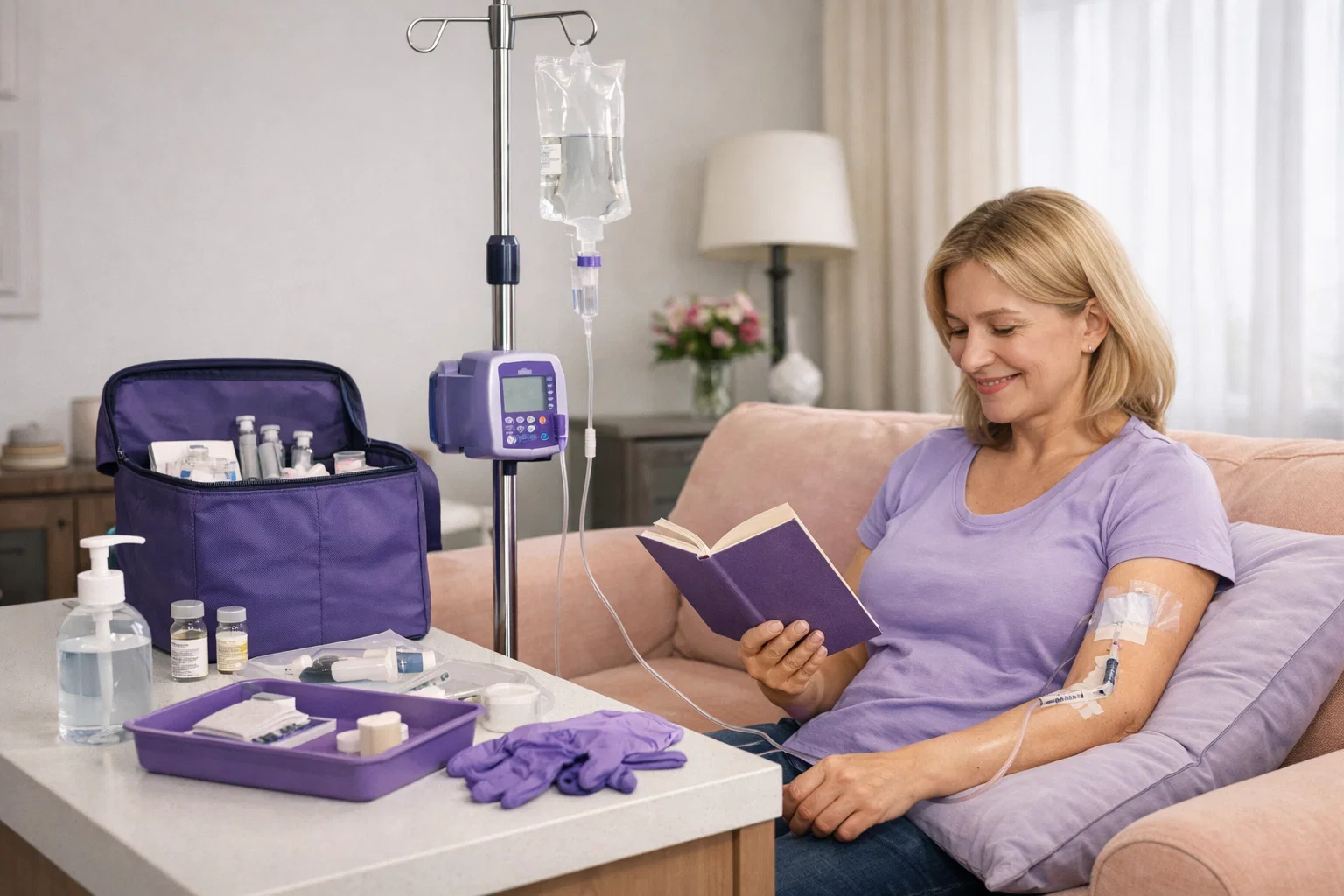

Understanding Home IV Antibiotic Therapy
Intravenous antibiotics were once only available in hospital settings, but advances in home health care now allow many patients to receive IV antibiotic therapy in the comfort of their own homes. This option, sometimes called outpatient parenteral antimicrobial therapy (OPAT), offers significant benefits for patients who need extended antibiotic treatment.
Home IV therapy allows you to recover in familiar surroundings while still receiving the powerful medication needed to fight serious infections. HarvardCare at Home provides comprehensive IV therapy services throughout Los Angeles.
Conditions Treated With Home IV Antibiotics
Home IV antibiotic therapy is used to treat infections that cannot be adequately managed with oral medications. Common conditions include bone infections (osteomyelitis), serious skin and soft tissue infections, infected wounds, heart valve infections (endocarditis), joint infections, and some types of pneumonia.
Your infectious disease specialist or treating physician will determine if your infection is appropriate for home IV treatment based on the type of bacteria involved, the severity of your infection, and your overall health status. Patients with chronic wounds or diabetic wounds sometimes require IV antibiotics.
How IV Antibiotics Are Administered at Home
Most home IV antibiotic patients receive their medication through a PICC line (peripherally inserted central catheter), which is a thin, flexible tube inserted into a vein in your arm that extends to a larger vein near your heart. This allows for safe, repeated antibiotic administration without multiple needle sticks.
Depending on your prescription, you may receive antibiotics once, twice, or three times daily. Some patients can be trained to administer their own infusions, while others receive all doses from a visiting nurse.
The Role of Skilled Nursing in Home IV Therapy
A skilled nurse is essential for safe home IV antibiotic therapy. Your nurse will administer medications or train you to do so safely, monitor for side effects and allergic reactions, care for your PICC line to prevent infection, draw blood for lab tests to monitor treatment effectiveness, and communicate regularly with your physician.
During the initial phase of treatment, nurse visits may be daily. As you become more comfortable with the routine, visits may decrease in frequency. Learn about what to expect from home health visits.
Caring for Your PICC Line
Proper PICC line care is critical for preventing complications like infection or blood clots. Your nurse will teach you how to keep the insertion site clean and dry, recognize signs of infection such as redness, swelling, or drainage, flush the line properly if you are doing your own infusions, and protect the line during bathing and daily activities.
Never attempt to remove or adjust your PICC line yourself. If you notice any problems, contact your home health nurse immediately.
What to Expect During Treatment
IV antibiotic courses typically last two to six weeks, depending on the type and severity of your infection. Each infusion may take anywhere from 30 minutes to several hours, depending on the medication.
During this time, you will have regular lab work to monitor your kidney and liver function and ensure the antibiotics are working. Your nurse will coordinate these blood draws and communicate results to your physician. Read about wound healing timelines by condition.
Managing Side Effects
All antibiotics can cause side effects, and IV medications are no exception. Common side effects include nausea, diarrhea, rash, and reactions at the infusion site. More serious but rare reactions can include severe allergic responses or organ toxicity.
Your nurse will educate you on potential side effects specific to your antibiotic and what warning signs require immediate medical attention. Our medication management services help monitor for adverse reactions.
Maintaining Your Daily Routine
One of the biggest advantages of home IV therapy is the ability to maintain your normal routine as much as possible. Many patients continue working, caring for family, and enjoying hobbies while receiving treatment.
Your nurse will help you schedule infusions at times that work with your lifestyle and teach you strategies for staying active while protecting your IV line. Occupational therapy can help you adapt daily activities as needed.
When Treatment Is Complete
Once your antibiotic course is finished and your infection has cleared, your PICC line will be removed by a healthcare professional. This is a quick, relatively painless procedure.
Your physician may order follow-up appointments and lab work to ensure the infection is fully resolved. Your home health team will provide guidance on any ongoing wound care or rehabilitation needed. Contact HarvardCare at Home to learn more about our IV therapy services.
