
 Wound Care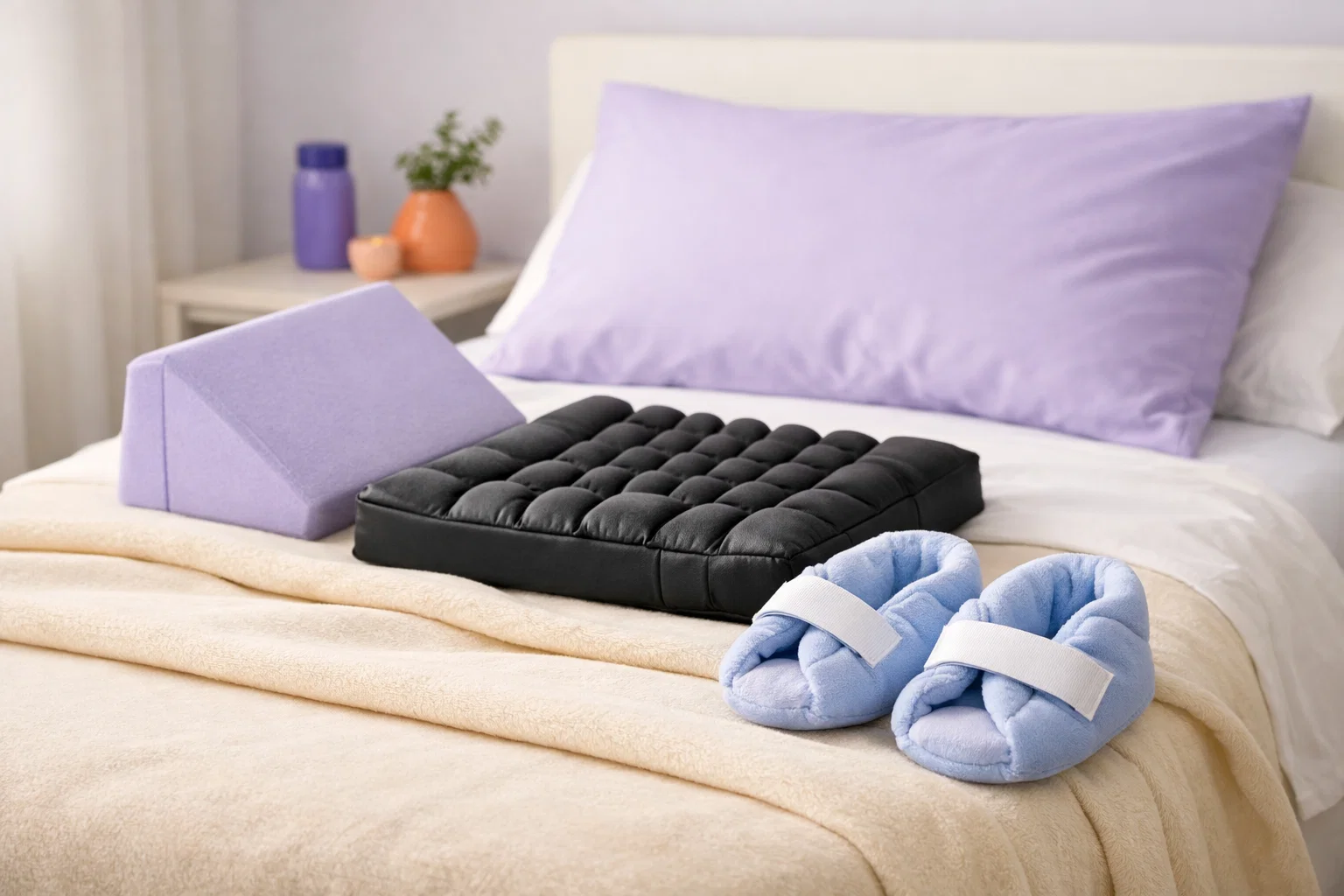

Protecting Vulnerable Skin from Breakdown
Pressure ulcers, commonly known as bedsores, represent a serious and often preventable complication for seniors who spend extended time in bed. These painful wounds develop when sustained pressure cuts off blood flow to skin and underlying tissue, causing damage that can range from mild redness to deep wounds reaching bone.
For family caregivers, preventing pressure ulcers is one of the most important responsibilities when caring for a bedridden loved one. The good news is that with consistent attention and proper techniques, most pressure ulcers can be prevented.
These seven proven strategies will help you protect your loved one from the pain, complications, and extended healing time that pressure ulcers cause.
1. Reposition Frequently
Regular repositioning is the single most important pressure ulcer prevention measure. When your loved one remains in one position, pressure on bony prominences restricts blood flow, leading to tissue damage.
Repositioning Schedule
For bedridden patients, repositioning should occur at least every two hours. Some patients with very fragile skin or existing pressure damage may need more frequent position changes.
Create a turning schedule and document position changes to ensure consistency. Consider setting timers as reminders, especially during busy periods or overnight.
Proper Positioning Techniques
When repositioning, use proper technique to protect both your loved one and yourself.
- Use a draw sheet to help turn rather than dragging skin across sheets
- Avoid positioning directly on bony prominences like the hip bone
- Use the 30-degree tilted side-lying position rather than 90-degree side-lying
- Alternate between back, right side, and left side positions
- Support the position with pillows to prevent rolling back
Protecting Heels
Heels are particularly vulnerable to pressure damage. Keep heels off the mattress by placing pillows under the calves, allowing heels to float. Specialized heel protection devices are also available for patients at high risk.
2. Use Pressure-Redistributing Surfaces
The right mattress and cushioning significantly reduce pressure on vulnerable areas.
Specialty Mattresses
For patients at moderate to high risk of pressure ulcers, standard mattresses may not provide adequate protection. Consider pressure-redistributing mattresses that spread weight more evenly, alternating pressure mattresses that continuously shift pressure points, low air loss mattresses that reduce moisture and pressure, or air-fluidized beds for patients with existing severe wounds.
Consult with healthcare providers about the appropriate surface for your loved one risk level and existing skin condition.
Pillows and Positioning Aids
Use pillows and foam wedges to keep bony prominences from pressing against each other. Place pillows between knees and ankles when side-lying, behind the back to maintain position, and under calves to float heels.
3. Keep Skin Clean and Dry
Moisture weakens skin and makes it more susceptible to breakdown. Keeping skin clean and dry protects its integrity.
Bathing and Cleansing
Gentle daily cleansing removes perspiration, bacteria, and other substances that can damage skin. Use mild, pH-balanced cleansers rather than harsh soaps. Pat skin dry rather than rubbing. Apply moisturizer to prevent excessive dryness.
Managing Incontinence
Incontinence significantly increases pressure ulcer risk. Urine and stool contain enzymes and chemicals that damage skin quickly.
- Check for wetness frequently and change immediately when soiled
- Use absorbent incontinence products appropriate for the level of incontinence
- Apply moisture barrier creams to protect skin from contact with waste
- Consider scheduled toileting if your loved one has any ability to participate
Managing Perspiration
Heavy perspiration, common in bedridden patients, creates damaging moisture. Keep the room comfortably cool, use breathable bedding, and change damp clothing and linens promptly.
4. Ensure Proper Nutrition and Hydration
Nutritional status directly affects skin health and the ability to resist pressure damage.
Protein for Skin Health
Protein is essential for maintaining skin integrity and repairing minor damage before it becomes serious. Ensure adequate protein intake through eggs, dairy, meat, fish, beans, and protein supplements if needed.
Key Nutrients
Beyond protein, several nutrients support skin health including vitamin C for collagen production and immune function, zinc for tissue repair, vitamin A for skin integrity, and adequate calories to fuel body processes.
Hydration
Dehydration makes skin more fragile and susceptible to damage. Encourage fluid intake throughout the day unless restricted for medical reasons. Offer water, juice, milk, and other beverages frequently.
If your loved one has poor appetite or difficulty eating adequately, discuss nutritional supplements with their healthcare provider.
5. Conduct Daily Skin Inspections
Regular skin inspection catches early signs of pressure damage when intervention is most effective.
What to Look For
Inspect all skin daily, paying special attention to bony prominences where pressure ulcers typically develop.
- Redness that does not fade when pressed (non-blanchable erythema)
- Areas that are warmer, cooler, firmer, or softer than surrounding skin
- Discoloration in darker skin tones (may appear purple, blue, or ashen)
- Blisters or broken skin
- Any changes from previous inspections
High-Risk Areas
Focus inspection on areas where pressure ulcers most commonly develop including the sacrum and tailbone, hips and greater trochanters, heels, shoulder blades, back of the head, ears, elbows, and ankles.
Responding to Changes
If you notice any skin changes, increase repositioning frequency, ensure the area is not bearing pressure, and contact healthcare providers for guidance. Early-stage pressure damage can reverse quickly with prompt intervention.
6. Minimize Friction and Shear
Friction and shear forces damage skin even without sustained direct pressure.
Understanding Friction and Shear
Friction occurs when skin rubs against surfaces like sheets during movement. Shear happens when layers of tissue move in opposite directions, such as when a patient slides down in bed while skin stays in place.
Prevention Strategies
Reduce friction and shear through proper techniques.
- Lift rather than drag when repositioning
- Use draw sheets to move patients in bed
- Keep the head of the bed at the lowest angle consistent with medical needs
- Use transfer aids and proper body mechanics
- Apply protective dressings over vulnerable areas when appropriate
Proper Bed Positioning
When the head of the bed is elevated, patients tend to slide down, creating shear. Keep elevation to 30 degrees or less when possible. If higher elevation is needed for medical reasons, use positioning aids to prevent sliding.
7. Seek Professional Support
Professional guidance improves pressure ulcer prevention and ensures early problems receive appropriate attention.
Home Health Services
Skilled nursing through home health care provides professional assessment of pressure ulcer risk, skin evaluation, and caregiver education. Nurses can identify early skin changes, recommend appropriate interventions, and help develop effective prevention routines.
If your loved one already has pressure ulcers, professional wound care provides expert treatment while teaching you to support healing between visits.
Physical and Occupational Therapy
Physical therapy and occupational therapy can help maintain whatever mobility your loved one retains, teach safe repositioning techniques, and recommend equipment to reduce pressure ulcer risk.
When to Seek Help
Contact healthcare providers promptly if you notice skin changes that do not resolve with repositioning, any broken skin or blisters, signs of infection such as increased redness, warmth, or drainage, or if you need guidance on prevention strategies.
Making Prevention Routine
Effective pressure ulcer prevention requires consistent attention. Build these strategies into daily routines so they become automatic rather than afterthoughts.
Create Checklists
Written checklists help ensure all prevention measures happen consistently. Include repositioning times, skin inspection, incontinence checks, and nutrition tracking.
Involve the Care Team
When multiple people provide care, ensure everyone understands and follows prevention protocols. Consistency across all caregivers is essential.
Adjust as Needed
Monitor what is working and adjust strategies based on results. If skin changes develop despite prevention efforts, intensify interventions and seek professional guidance.
Protecting the Ones You Love
Pressure ulcers cause significant suffering and can lead to serious complications including infection and prolonged debility. The prevention strategies outlined here, applied consistently, can protect your bedridden loved one from this preventable harm.
While prevention requires effort and vigilance, the alternative of treating established pressure ulcers is far more demanding. Investing in prevention protects your loved one from pain and complications while ultimately reducing the overall burden of care.
