 HarvardCare at Home
  Wound Care
 Skilled Nursing Care
 Physical Therapy
 Occupational Therapy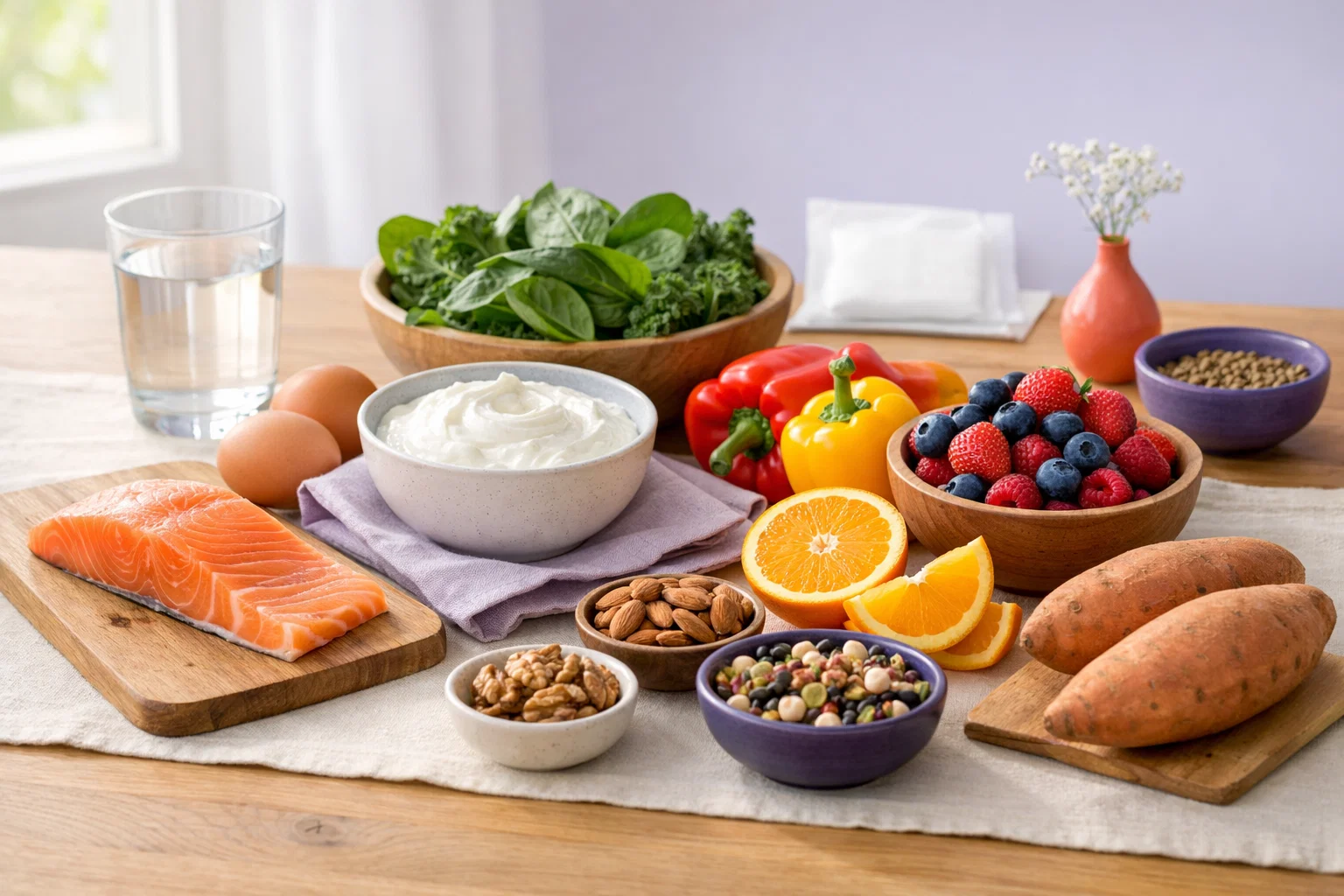

Nutrition Is Medicine for Wounds
When you have a wound, your body becomes a construction site. Building new tissue requires raw materials, and those materials come from the food you eat. Without proper nutrition, even the best wound care cannot achieve optimal results.
Research consistently shows that nutritional status directly impacts wound healing speed and quality. Malnourished patients heal slower, face higher infection risk, and experience more complications. Conversely, optimizing nutrition can accelerate healing and improve outcomes.
These ten foods provide the specific nutrients your body needs to heal wounds faster. Adding them to your diet supports your body’s remarkable repair capabilities.
1. Eggs
Eggs are one of the most complete foods for wound healing, providing high-quality protein and multiple healing-supportive nutrients in an affordable, easy-to-prepare package.
Why Eggs Help Wounds Heal
One large egg contains about 6 grams of complete protein with all essential amino acids your body needs for tissue building. Eggs also provide zinc for cell division and immune function, vitamin A for skin integrity and immune response, vitamin D for immune regulation, B vitamins for energy metabolism and cell function, and choline for cell membrane construction.
How to Include More Eggs
Scrambled eggs for breakfast take minutes to prepare. Hard-boiled eggs make convenient protein-rich snacks. Add eggs to salads, sandwiches, or grain bowls. Egg salad provides easy-to-eat protein for those with appetite challenges.

2. Chicken and Turkey
Lean poultry provides abundant protein with less saturated fat than red meat, making it an excellent foundation for a wound-healing diet.
Why Poultry Helps Wounds Heal
A 3-ounce serving of chicken breast provides about 26 grams of protein. Poultry also supplies zinc essential for wound healing, B vitamins particularly B6 and niacin, selenium for immune function, and iron for oxygen transport to healing tissues.
How to Include More Poultry
Rotisserie chicken offers convenience when energy is limited. Ground turkey works in many recipes. Chicken soup provides protein plus hydrating broth. Sliced turkey makes quick sandwiches or wraps.
3. Salmon and Fatty Fish
Salmon, mackerel, sardines, and other fatty fish offer unique benefits for wound healing that other protein sources cannot match.
Why Fatty Fish Helps Wounds Heal
Beyond high-quality protein, fatty fish provides omega-3 fatty acids that reduce excessive inflammation, vitamin D often deficient in indoor-bound patients, selenium for immune function, and zinc for tissue repair.
The omega-3 fatty acids EPA and DHA help modulate the inflammatory response. While inflammation is necessary for healing, excessive or prolonged inflammation impairs progress. Omega-3s help achieve the right balance.
How to Include More Fatty Fish
Aim for two to three servings weekly. Canned salmon is affordable and convenient. Smoked salmon requires no cooking. Sardines on crackers make a nutrient-dense snack. Baked or grilled fish fillets pair with countless sides.
4. Greek Yogurt
Greek yogurt packs significantly more protein than regular yogurt while providing probiotics that support immune function.
Why Greek Yogurt Helps Wounds Heal
A single cup of Greek yogurt contains 15 to 20 grams of protein. It also provides calcium for cellular signaling, probiotics for gut health and immunity, vitamin B12 for cell formation, and zinc in meaningful amounts.
The probiotics in yogurt support the gut microbiome, which plays a larger role in immune function than many people realize. A healthy gut supports a healthy immune response to wounds.
How to Include More Greek Yogurt
Eat yogurt for breakfast with berries and nuts. Use as a base for smoothies with added protein powder. Substitute for sour cream in recipes. Choose plain varieties and add your own fruit to avoid excess sugar.
5. Beans and Lentils
Legumes provide plant-based protein along with fiber and minerals that support healing, making them valuable for all patients and essential for vegetarians.
Why Legumes Help Wounds Heal
One cup of cooked lentils provides about 18 grams of protein. Beans and lentils also supply zinc for wound healing, iron for oxygen transport, folate for cell division, fiber for gut health, and complex carbohydrates for sustained energy.
How to Include More Legumes
Add beans to soups, salads, and grain bowls. Make lentil soup for protein-rich comfort food. Use hummus as a spread or dip. Try bean-based pasta for extra protein. Include black beans in Mexican-inspired dishes.
6. Citrus Fruits
Oranges, grapefruits, lemons, and other citrus fruits provide vitamin C, absolutely essential for wound healing.
Why Citrus Helps Wounds Heal
Vitamin C is required for collagen synthesis. Without adequate vitamin C, your body cannot produce the collagen that provides structure to healing tissue. Deficiency causes weak, fragile tissue that heals poorly.
Citrus fruits also provide flavonoids with anti-inflammatory properties, hydration from high water content, and natural sugars for energy.
How to Include More Citrus
Start the day with a glass of orange juice. Snack on orange or grapefruit segments. Add lemon juice to water for flavored hydration. Use citrus in salad dressings. Keep clementines available for easy snacking.
7. Leafy Green Vegetables
Spinach, kale, Swiss chard, and other dark leafy greens deliver multiple wound-healing nutrients in low-calorie packages.
Why Leafy Greens Help Wounds Heal
Leafy greens provide vitamin K for blood clotting and wound closure, vitamin C for collagen production, vitamin A for skin integrity, folate for cell division, iron for oxygen delivery, and antioxidants that protect healing tissue.
Vitamin K is particularly important in the early stages of wound healing when proper clotting stops bleeding and creates the foundation for tissue repair.
How to Include More Leafy Greens
Add spinach to smoothies where it is virtually undetectable. Include salads with meals. Sauté greens as a side dish. Add chopped kale to soups. Use lettuce wraps instead of bread.
8. Sweet Potatoes
Sweet potatoes offer exceptional nutritional value for wound healing, providing energy along with key vitamins and minerals.
Why Sweet Potatoes Help Wounds Heal
Sweet potatoes are rich in beta-carotene which converts to vitamin A for skin health and immune function. They also provide vitamin C for collagen synthesis, complex carbohydrates for sustained energy, fiber for gut health, and potassium for cellular function.
The vitamin A from sweet potatoes supports epithelialization, the process of skin cells covering the wound surface.
How to Include More Sweet Potatoes
Bake whole sweet potatoes for easy preparation. Make mashed sweet potatoes as a side dish. Add cubed sweet potato to soups and stews. Try sweet potato toast topped with nut butter. Roast sweet potato wedges for a healthier alternative to fries.
9. Nuts and Seeds
Almonds, walnuts, sunflower seeds, and pumpkin seeds pack protein, healthy fats, and minerals into convenient, shelf-stable packages.
Why Nuts and Seeds Help Wounds Heal
Nuts and seeds provide plant-based protein, zinc especially abundant in pumpkin seeds, vitamin E for antioxidant protection, healthy fats for cell membrane integrity, and magnesium for enzyme function.
Zinc from pumpkin seeds and other sources is critical for wound healing. Even mild zinc deficiency impairs healing significantly.
How to Include More Nuts and Seeds
Keep mixed nuts available for snacking. Add seeds to yogurt, oatmeal, or salads. Use nut butters on toast or with fruit. Sprinkle chopped nuts on vegetables. Try trail mix for portable nutrition.
10. Bone Broth
Bone broth provides unique compounds that support wound healing while being easy to consume even when appetite is poor.
Why Bone Broth Helps Wounds Heal
Bone broth supplies collagen and gelatin providing amino acids for tissue building, glycine which supports collagen synthesis, glutamine for gut health and immune function, minerals in easily absorbable forms, and hydration in a warm, soothing format.
The collagen in bone broth breaks down into amino acids your body uses to build its own collagen at the wound site.
How to Include More Bone Broth
Sip warm broth as a beverage. Use as the base for soups. Cook grains like rice in broth instead of water. Add to sauces for extra nutrition. Drink a cup with meals for added protein and minerals.
Putting It All Together
No single food heals wounds. Optimal nutrition comes from eating a variety of healing-supportive foods consistently throughout your recovery.

Sample Day of Wound-Healing Nutrition
Breakfast could include scrambled eggs with spinach and a glass of orange juice. A mid-morning snack might be Greek yogurt with berries and pumpkin seeds. Lunch could feature chicken soup made with bone broth and vegetables. An afternoon snack of apple slices with almond butter provides sustained energy. Dinner might include baked salmon with sweet potato and sautéed kale. An evening snack of a small handful of mixed nuts rounds out the day.
When Eating Is Difficult
Poor appetite is common during recovery. If eating adequate food is challenging, focus on nutrient-dense choices rather than volume. Consider protein shakes or smoothies. Eat small amounts frequently rather than large meals. Choose soft, easy-to-eat foods. Talk to your healthcare provider about nutritional supplements if dietary intake remains inadequate.
Nutrition and Professional Wound Care
Nutrition works alongside professional wound care, not as a replacement for it. Professional wound care addresses the wound directly through assessment, debridement, and appropriate dressings. Nutrition supports these treatments by giving your body the resources to respond.
If you have a wound that is not healing, seek professional evaluation. Chronic wound care addresses all factors affecting healing, including nutritional status. A wound care nurse can assess whether nutritional deficiencies may be contributing to slow healing.
Skilled nursing through home health includes nutritional guidance as part of comprehensive care. For patients needing help with medication schedules that affect appetite or nutrient absorption, medication management services optimize your overall treatment plan.
Feed Your Healing
Your wound wants to heal. Your body knows how to build new tissue, fight infection, and close wounds. But it cannot do this work without raw materials.
By including these ten foods in your diet, you provide the protein, vitamins, minerals, and other nutrients your body needs to heal as quickly and completely as possible. Combined with professional wound care and appropriate rest, good nutrition helps you recover faster and get back to your life.


