

 Wound Care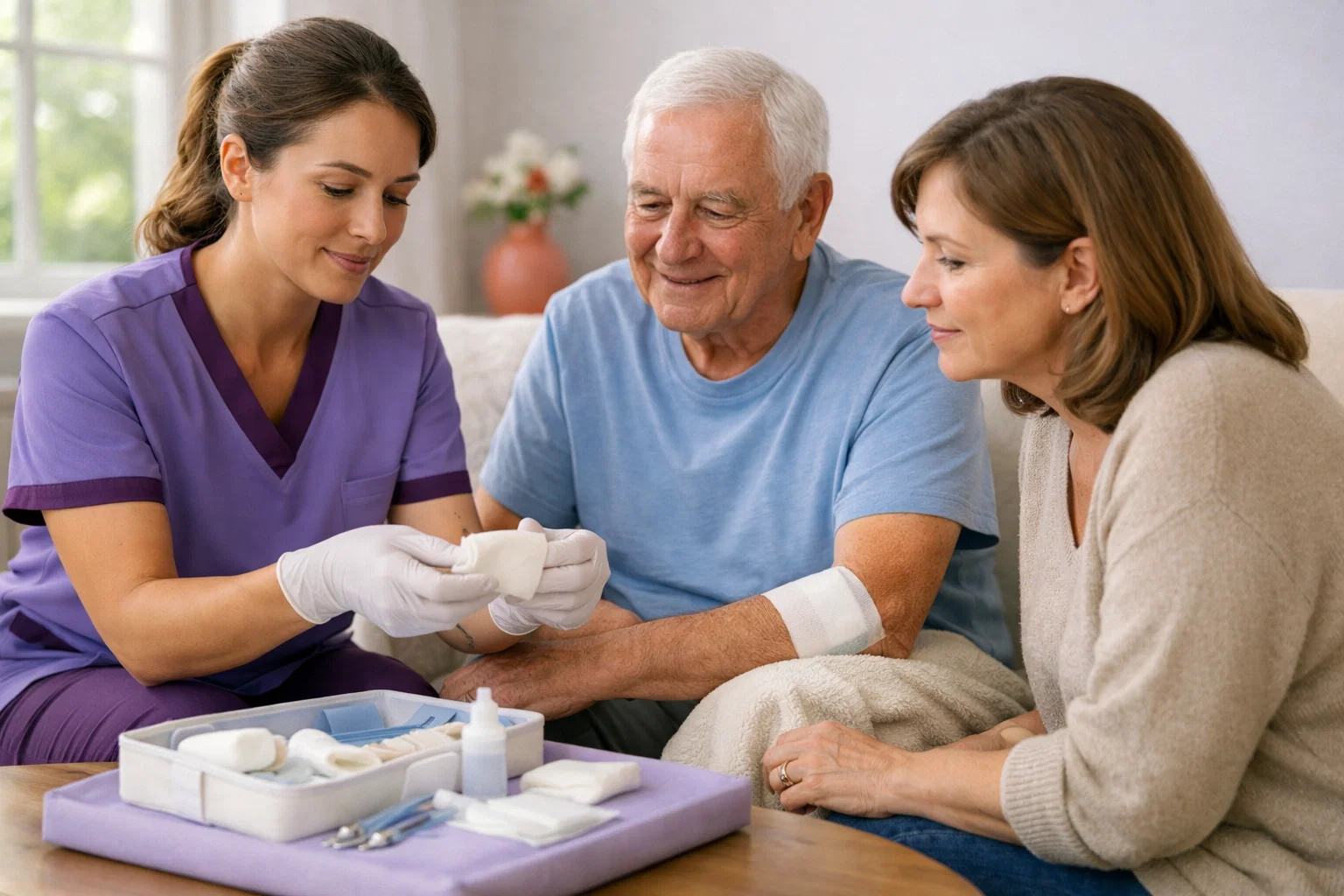

Supporting Your Loved One Through the Healing Process
Caring for a family member with a chronic wound presents unique challenges that can feel overwhelming, especially when you lack medical training. Whether your loved one is recovering from surgery, managing a diabetic ulcer, or healing from a pressure injury, your role as a caregiver significantly impacts their recovery and quality of life.
While professional wound care from skilled nurses provides the medical expertise essential for proper healing, family caregivers serve as the frontline support between clinical visits. The observations you make, the care you provide, and the environment you maintain all contribute to healing outcomes.
These ten essential tips will help you support your loved one effectively while protecting your own wellbeing throughout what can be a lengthy healing journey.
Tip 1: Learn the Warning Signs of Infection
Recognizing infection early can prevent serious complications and hospitalizations. Understanding what to watch for empowers you to seek help promptly when problems develop.
Signs Requiring Immediate Attention
Contact your loved one healthcare provider or home health nurse immediately if you notice any of these warning signs.
- Increased redness spreading outward from the wound edges
- Warmth around the wound that was not present before
- Swelling that worsens or extends beyond the immediate wound area
- Foul odor coming from the wound or dressing
- Increased drainage or change in drainage color to yellow, green, or brown
- Fever above 100.4 degrees Fahrenheit
- Increased pain or tenderness at the wound site
- Red streaks extending from the wound toward the heart
When in doubt, err on the side of caution and contact the care team. Early intervention for infection produces much better outcomes than waiting until problems become severe.
Tip 2: Maintain a Clean Environment
The area around your loved one and their wound should be kept as clean as possible to reduce infection risk. Simple hygiene measures make a meaningful difference.
Environmental Cleanliness Strategies
Focus your cleaning efforts on high-touch surfaces and the immediate area where wound care takes place.
- Clean bedside tables, bed rails, and frequently touched surfaces daily
- Wash bed linens at least weekly, or more often if soiled
- Keep pets away from the wound area and freshly changed dressings
- Ensure the room where dressing changes occur is clean and well-lit
- Store wound care supplies in a clean, dry location away from contaminants
- Dispose of used dressings properly in sealed bags
You do not need a sterile environment, but basic cleanliness significantly reduces the bacteria and contaminants that could compromise healing.
Tip 3: Master Proper Hand Hygiene
Your hands are the most common vehicle for introducing bacteria to wounds. Proper hand hygiene before and after any contact with your loved one or their wound is absolutely essential.
Effective Handwashing Technique
Wash your hands thoroughly using the following method every time you provide care.
- Wet hands with clean running water
- Apply soap and lather well, covering all surfaces including between fingers and under nails
- Scrub for at least 20 seconds
- Rinse thoroughly under running water
- Dry with a clean towel or air dry
When soap and water are not immediately available, alcohol-based hand sanitizer with at least 60 percent alcohol provides an acceptable alternative. However, hand sanitizer does not replace handwashing when hands are visibly soiled.
Tip 4: Support Proper Nutrition for Healing
Wound healing demands significant nutritional resources. The body needs adequate protein, vitamins, minerals, and calories to build new tissue and fight infection. Poor nutrition is one of the most common and correctable barriers to wound healing.
Nutritional Priorities for Wound Healing
Focus on providing meals and snacks that support the healing process.
Protein
Protein provides the building blocks for new tissue. Good sources include eggs, fish, poultry, lean meat, dairy products, beans, and nuts. Aim to include protein at every meal and consider protein-rich snacks between meals.
Vitamin C
Vitamin C supports collagen formation essential for wound repair. Citrus fruits, strawberries, bell peppers, broccoli, and tomatoes provide excellent vitamin C content.
Zinc
Zinc plays important roles in immune function and tissue repair. Meat, shellfish, legumes, seeds, and nuts contain significant zinc.
Hydration
Adequate fluid intake supports all body functions including healing. Encourage water, milk, juice, and other fluids throughout the day unless fluid restriction has been ordered for medical reasons.
If your loved one has poor appetite or difficulty eating adequate amounts, discuss nutritional supplements with their healthcare team. Specialized wound healing supplements are available that provide concentrated nutrition supporting tissue repair.
Tip 5: Encourage Appropriate Movement and Positioning
For patients with pressure injuries or at risk for developing them, regular repositioning is critical. Even for other wound types, appropriate movement supports circulation and overall health.
Positioning Guidelines
Follow these principles to support healing and prevent complications.
- Reposition bedridden patients at least every two hours
- Use pillows to cushion bony prominences and keep heels off the mattress
- Avoid positioning directly on existing wounds when possible
- Encourage whatever mobility your loved one can safely perform
- Follow specific positioning instructions from the care team for surgical or specialty wounds
- Use pressure-redistributing mattresses or cushions if recommended
Work with the physical therapy team to understand safe movement and transfer techniques. Proper body mechanics protect both you and your loved one during position changes and transfers.
Tip 6: Keep Accurate Records
Documentation helps you track your loved one progress and communicate effectively with the healthcare team. Simple records provide valuable information that clinicians use to guide treatment decisions.
What to Track
Consider keeping a simple log or notebook with the following information.
- Daily temperature readings if infection is a concern
- Pain levels using a simple 0-10 scale
- What your loved one eats and drinks each day
- Any changes you notice in the wound appearance between professional visits
- Bowel and bladder patterns if relevant to the condition
- Medications given and any missed doses
- Questions that arise between visits
Bring your records to appointments and share observations with the home health nurse during visits. Your day-to-day observations provide context that clinicians cannot obtain from periodic assessments alone.
Tip 7: Manage Pain Appropriately
Wound pain affects quality of life and can interfere with healing by causing stress and limiting mobility. Effective pain management helps your loved one rest, eat, and participate in care activities.
Pain Management Strategies
Work with the healthcare team to develop an effective pain management approach.
- Give pain medications as prescribed, staying ahead of pain rather than waiting until it becomes severe
- Time pain medication before dressing changes or physical therapy sessions when possible
- Use non-medication approaches like positioning, distraction, and relaxation techniques
- Report uncontrolled pain to the care team promptly so adjustments can be made
- Watch for side effects of pain medications including constipation, drowsiness, and confusion
Never adjust medication doses or schedules without consulting the healthcare provider. If current pain management is inadequate, communicate this clearly so the treatment plan can be modified.
Tip 8: Protect Yourself from Caregiver Burnout
Caring for someone with a chronic wound is demanding work that can extend for weeks or months. Protecting your own physical and emotional health is not selfish but necessary for sustainable caregiving.
Self-Care Essentials
Prioritize your own wellbeing using these strategies.
- Accept help from others and delegate tasks when possible
- Maintain your own medical appointments and health routines
- Get adequate sleep, even if it means arranging for nighttime coverage
- Take breaks from caregiving, even brief ones, to recharge
- Stay connected with friends and activities that bring you joy
- Join a caregiver support group to share experiences with others who understand
- Recognize signs of depression or burnout and seek help if needed
Remember that you cannot pour from an empty cup. Taking care of yourself enables you to provide better care for your loved one over the long term.
Tip 9: Communicate Effectively with the Healthcare Team
You are a vital member of your loved one care team. Effective communication ensures everyone works together toward the same goals with the same information.
Communication Best Practices
Maximize the value of interactions with healthcare providers using these approaches.
- Prepare questions before visits so you remember everything you want to ask
- Be honest about challenges you are facing with the care plan
- Speak up if instructions are unclear or seem impossible to follow
- Report changes promptly rather than waiting for scheduled visits
- Ask for written instructions for complex care tasks
- Request demonstrations of any procedures you are expected to perform
- Confirm you understand by repeating back key instructions
Do not hesitate to advocate for your loved one if you have concerns about their care. Your perspective as a daily observer provides information that healthcare providers need to make good decisions.
Tip 10: Understand the Healing Timeline
Chronic wounds often heal slowly, and understanding realistic expectations helps you maintain patience and recognize genuine progress.
What to Expect
Healing timelines vary significantly based on wound type, size, location, and the patient overall health.
- Some wounds take weeks while others require months to fully heal
- Progress may not be visible day to day but becomes apparent over weeks
- Setbacks can occur even with excellent care and do not indicate failure
- Healing often proceeds in stages with different appearance at each phase
- Some chronic conditions mean lifelong vigilance against wound recurrence
Ask the wound care nurse what progress looks like for your loved one specific wound type. Understanding the expected trajectory helps you recognize both improvement and problems that warrant concern.
Signs of Positive Progress
Look for these encouraging indicators that healing is proceeding well.
- Wound size gradually decreasing over time
- Healthy pink or red tissue visible in the wound bed
- Reduced drainage amounts as healing progresses
- Decreasing pain levels
- New skin forming at wound edges
When to Seek Professional Help
While family caregivers provide essential support, some situations require professional intervention. Know when to call for help rather than trying to manage problems independently.
Contact the Care Team When You Notice:
- Any signs of infection described in Tip 1
- Wound appearance that suddenly worsens
- Dressing that becomes saturated between scheduled changes
- Bleeding that does not stop with gentle pressure
- Your loved one developing confusion or behavior changes
- Falls or injuries affecting the wound area
- Inability to keep dressings in place
- Your own inability to continue providing necessary care
Professional skilled nursing support through home health care provides expert wound management while keeping your loved one comfortable at home. If you are not already receiving home health services, ask the physician about a referral to supplement your caregiving efforts.
You Are Not Alone
Caring for a family member with a chronic wound challenges even the most capable and dedicated caregivers. The tips provided here offer a framework for effective support, but every situation is unique and will require adaptation to your specific circumstances.
Do not hesitate to ask for help from healthcare providers, family members, friends, and community resources. The goal is healing for your loved one while maintaining your own health and wellbeing throughout the process.
With proper professional care, attentive family support, and patience through the healing timeline, most wounds can be successfully managed at home. Your role as caregiver makes a genuine difference in outcomes, and the support you provide matters more than you may realize.
